


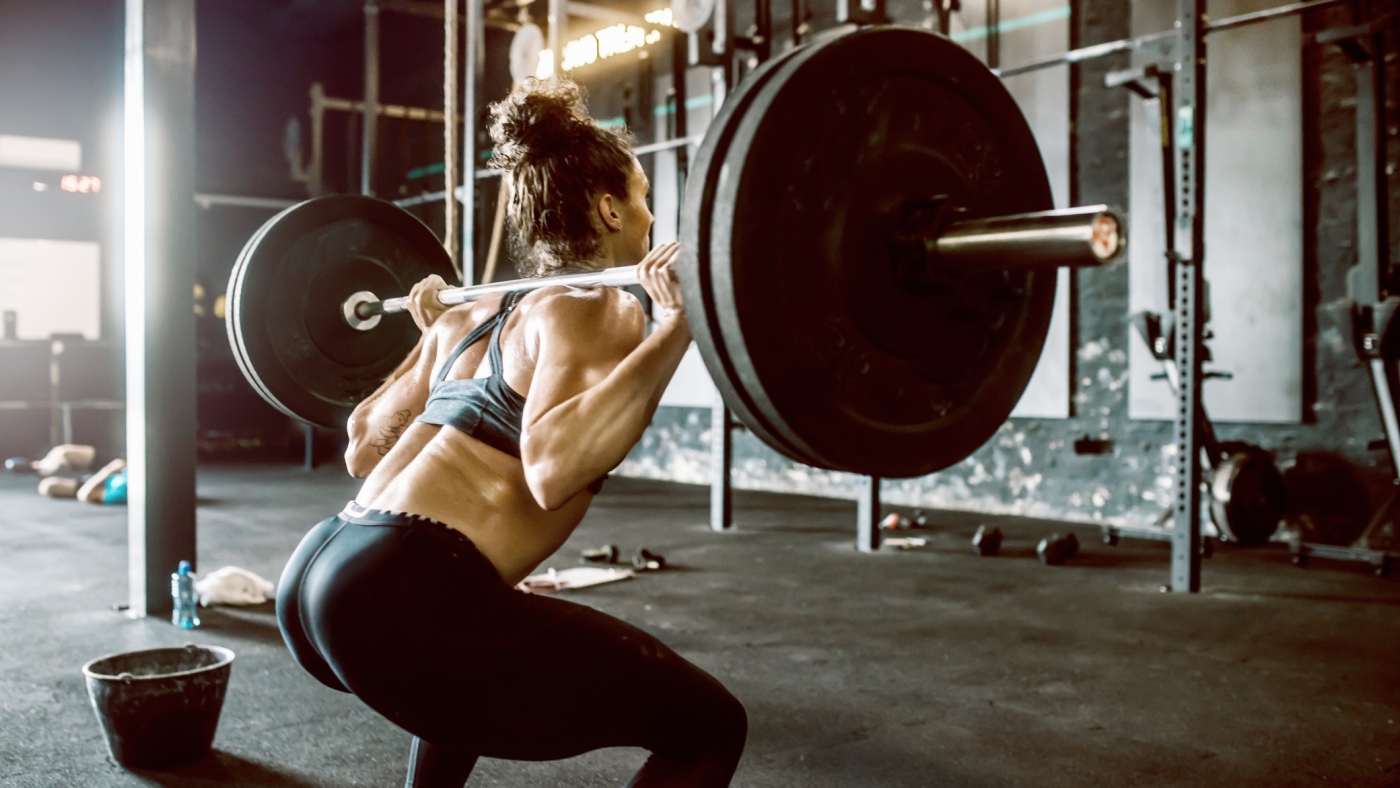
Discovering Power and Self-Acceptance Through Weightlifting
Author Casey Johnston's journey offers a candid glimpse into transforming one's relationship with exercise and the body.
From Diets and Running to Lifting Weights
Casey Johnston spent years dedicated to running and strict dieting. However, a random encounter with a weightlifting thread on Reddit shifted her entire perspective.
To Johnston, running wasn't fulfilling but a means to an end: avoiding weight gain. Influenced by societal norms, she thought exercise's main objective was to shrink her body.
Late-night browsing introduced her to a community that approached exercise differently. They lifted weights not just to look good but to build strength. This newfound approach piqued her curiosity.
Shifting Perceptions
Initially, Johnston was skeptical. Skepticism gave way to understanding as she recognized that strength could redefine her identity and well-being.
Her subsequent book intertwines memoir and science to articulate how weightlifting reshaped her mental and emotional health. It was a catalyst for healing eating disorders and fostered a healthier view of food.
Embracing Physical and Emotional Wellness
Johnston recounts how lifting weights revolutionized her body image. She started valuing her body's capabilities over its size, finding joy in movement and relaxation.
She discovered a sense of power within herself, realizing that her body was a vessel for strength and potential.
Challenging Cultural Norms
In dialogue with NPR, Johnston discusses the deep-seated societal influence dictating women’s primary aim to be attractive.
Her initial motivation rooted in maintaining beauty, Johnston candidly reflects on how persistent cultural pressures shaped her actions.
As she notes, her transition detailed in her book seeks to resonate with those grappling with similar pressures.
Reevaluating Health and Exercise
Inspired by her college years, Johnston initially dabbled in weight loss through dieting and hesitant exercise. Running became her first step to shedding pounds.
Despite increased running and restrained dieting, her progress stalled. Not realizing she was eroding her muscle mass, she eventually learned weightlifting could reverse the damage.
Johnston confronted the myth that cardio exercises always equate to optimal fitness. The tides are turning, with more recognizing the value of preserving muscle for overall health.
Redefining Personal Fitness
Looking deeper, Johnston explored how systemic pressures impact personal body perceptions.
A critique of the separation between personal struggles and overarching societal influences, her insights delve into why body image might feel critical to identity and success.
Building Strength Beyond Stereotypes
Initially, weightlifting was seen through a stereotypical macho lens. Johnston recalls the difficulty in accessing inclusive content, yet the internet exposed a diverse weightlifting community.
Observing varied individuals lifting weights online helped her dismiss the assumption that a hyper-masculine identity was necessary for lifting.
Transformational Journey
Johnston reassures skeptics: lifting can be transformational without drastic change. Starting small and harnessing muscle-building capabilities can significantly impact one’s life.
Weightlifting presented a forum for connection with the body, offering positive and empowering experiences contrary to the belief that exercise must be grueling.
Johnston's story underscores the importance of staying attuned to one's physical experience. It invites a reconnection with our bodies, serving as a reminder of the intricate link between body and soul.
Leave a Reply