


Can Democrats Secure the Support of the Working Class to Protect Democracy?
In a dialogue about the Democrats' pressing 'five alarm' dilemma, Senator Chris Murphy offers his insights on the party’s obstacles and potential strategies.
Democrats at a Crossroad
What core values define the Democratic Party today? Following their 2024 defeat, how should they rethink their relationship with populism? These pressing questions are at the forefront for Chris Murphy, Connecticut’s Senator, who seeks to guide Democrats through today’s tumultuous political landscape.
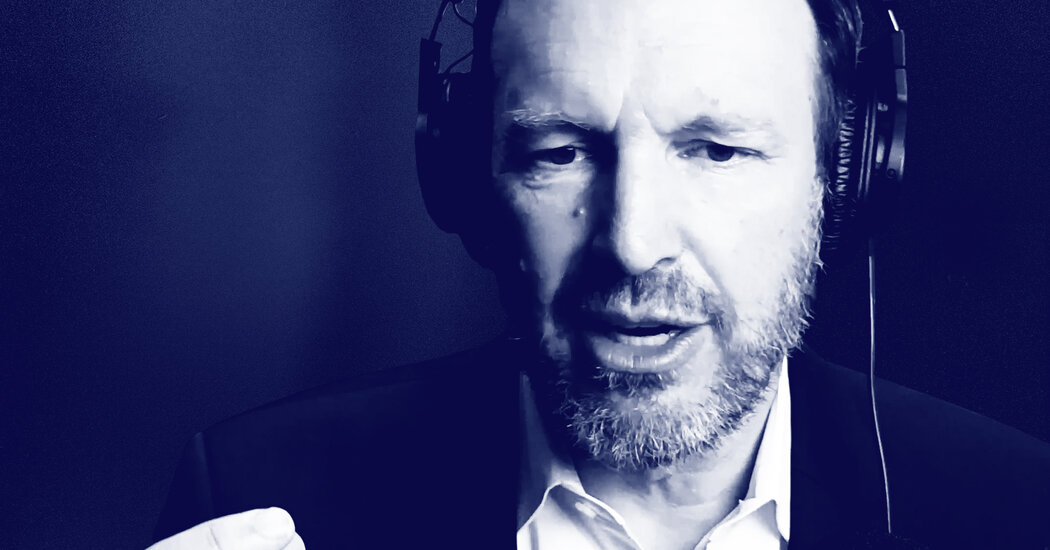
Joining from his Capitol 'hideaway' office, Murphy discusses the Democrats’ lackluster beginnings during Trump’s second tenure. The initial failure was underestimating Trump’s calculated undermining of democratic processes.
Democrats’ Struggle in the Trump Era
Murphy reflects on how Democrats have grappled with Trump's apparent governance style, a focused and strategic shift towards altering democratic norms. This, he suggests, caught many in his party off guard as they anticipated a continuation of Trump’s previous term’s bluster rather than substantive changes.
Public discontent has been palpable, primarily due to a perception that Democrats are inadequately addressing the immediate threats to democracy. As Murphy sees it, realizing and reacting to these threats with appropriate urgency remains a contentious topic within the party.
Redefining Democratic Strategy
A crucial part of Murphy’s strategy involves counteracting Trump’s inundation of the political narrative by vamping up the Democrats' public engagement, demonstrating consistent and urgent opposition.
Murphy presses for a willingness to take risks, encouraging a tactical aggression befitting the gravity of the situation, suggesting actions like boycotts and vocal opposition to government resolutions.
Economic and Political Reforms
Murphy proposes clear reforms, such as tougher campaign finance regulations and legislation to curb lobbying power, vital for regaining trust. He argues that convincing the public of Democrats’ sincerity in these areas is essential for legitimacy in their pro-democracy claims.
Moreover, addressing economic disparities through policies that genuinely benefit the working class, like enhancing minimum wages and empowering unions, is crucial. This shift is essential in addressing perceptions of a rigged economic system.
Cultural and Spiritual Challenges
Murphy acknowledges the cultural detachment felt by many Americans, rooting his concerns in a growing sense of isolation and disconnection. He sees an opportunity for the Democrats to address societal wounds by fostering community and in-person engagement.
Recognizing technological addiction as a part of the problem, Murphy calls for regulations that protect children and encourage real-world interactions, thus restoring some control to parents.
Looking Forward—Expanding Inclusivity
Broadening the Democratic tent requires an acceptance of diverse social and cultural opinions, argues Murphy. He believes empathy and openness are crucial in resonating with voters outside the party's traditional base.
Positions on immigration and law enforcement highlight the necessity for Democrats to refine their stance to remain relevant to larger segments of the population, sustaining a multiracial, multi-ethnic coalition.
Conclusion
Murphy's visions for the future involve a Democratic Party that is agile, unafraid to take bold positions, and ready to redefine its appeal to align more closely with everyday Americans’ concerns. As he sees it, this is imperative to preserving the essence of American democracy.
Leave a Reply