


Trump Proposes 'MAHA Food Boxes' for Senior Aid Replacement
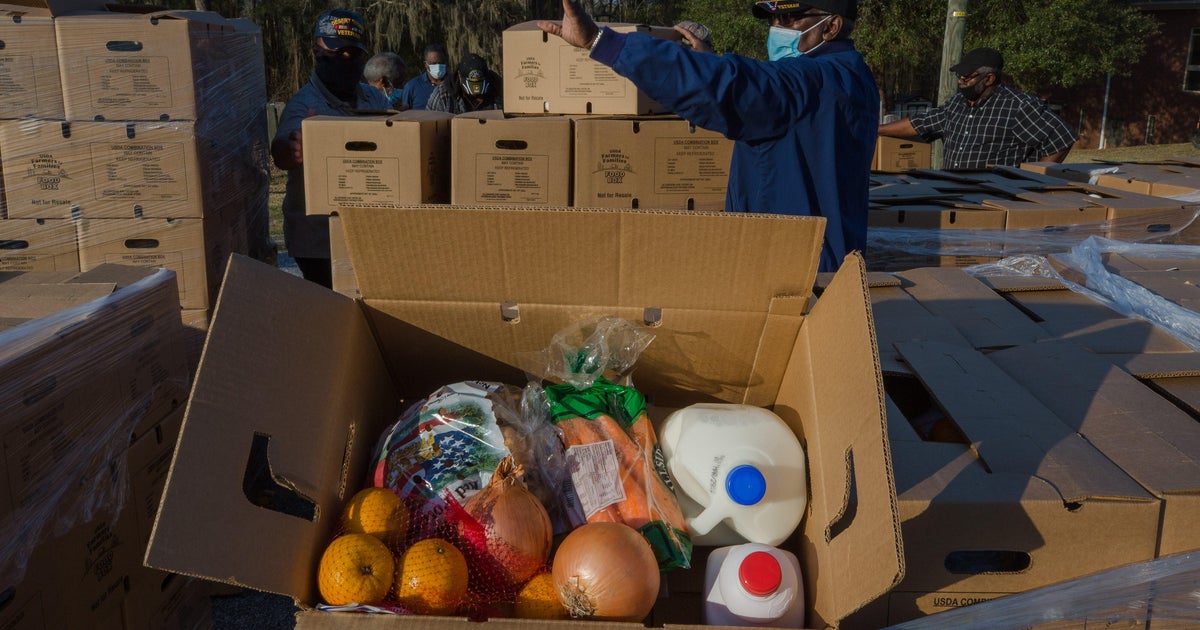
The upcoming budget proposed by President Trump might bring significant modifications to a small-scale food assistance initiative targeting economically challenged elderly individuals. The Commodity Supplemental Food Program (CSFP), which currently aids these seniors, may see its budget reduced as it gets replaced by 'MAHA food boxes'—fresh food packages derived straight from agricultural producers.
The U.S. Department of Agriculture (USDA) indicated that these boxes, inspired by a Health and Human Services initiative, might eventually expand to either enhance or substitute existing USDA food support channels. Although specifics about which government schemes could adopt this model remain undisclosed, there is potential for broad integration.
Skepticism and Concerns
George Matysik, leading the Philadelphia-based Share Food Program, has voiced worries regarding the plan's capacity to efficiently replace the CSFP. Logistical challenges loom large, particularly concerning the delivery of farm-fresh goods directly to elderly citizens.
The uncertainty surrounding the contents of these boxes is another point of contention, as many senior citizens have limited access to stores, necessitating non-perishable food options. Matysik emphasized the current program's reliability, stating that there's scant information about how the MAHA food boxes would be implemented.
Share Food Program utilizes $4.5 million from the CSFP to supply sizable nutrition boxes to over 7,000 seniors with an income under $23,000 annually. Contrary to the administration's description of unhealthy content, these packages often contain nutritious items like canned vegetables and lean meats.
Political Implications
The initiative forms part of a broader governmental effort to cut costs in welfare-related programs. A prior decision in March saw the reduction of similar funding for schools and food banks, urging them to procure directly from local agriculturalists instead.
Advocates like Matysik express growing concern amidst these cutbacks, fearing heightened vulnerability among senior citizens reliant on these essential services.
MAHA's Broader Vision
The USDA argues that MAHA boxes present dual advantages—providing healthier, fresh foods while streamlining the distribution process by eliminating intermediary administrative bodies. This proposal roots from earlier models such as the pandemic-inspired Farmers to Families Food Box initiative.
Part of a broader agenda by officials within the Trump administration, these changes reflect a pivot towards promoting natural foods, a move led by figures advocating for health-focused reforms.
Underscoring these claims, USDA signs off on strategies like Arkansas' plan to restrict sugary products under their jurisdiction, stirring debates over potential stigma attached to beneficiaries.
Amidst these policy shifts, concern intensifies regarding the sustainability of programs like the CSFP and the security of its beneficiaries.
Leave a Reply