


The Symbolism Behind Papal Election Smoke Signals
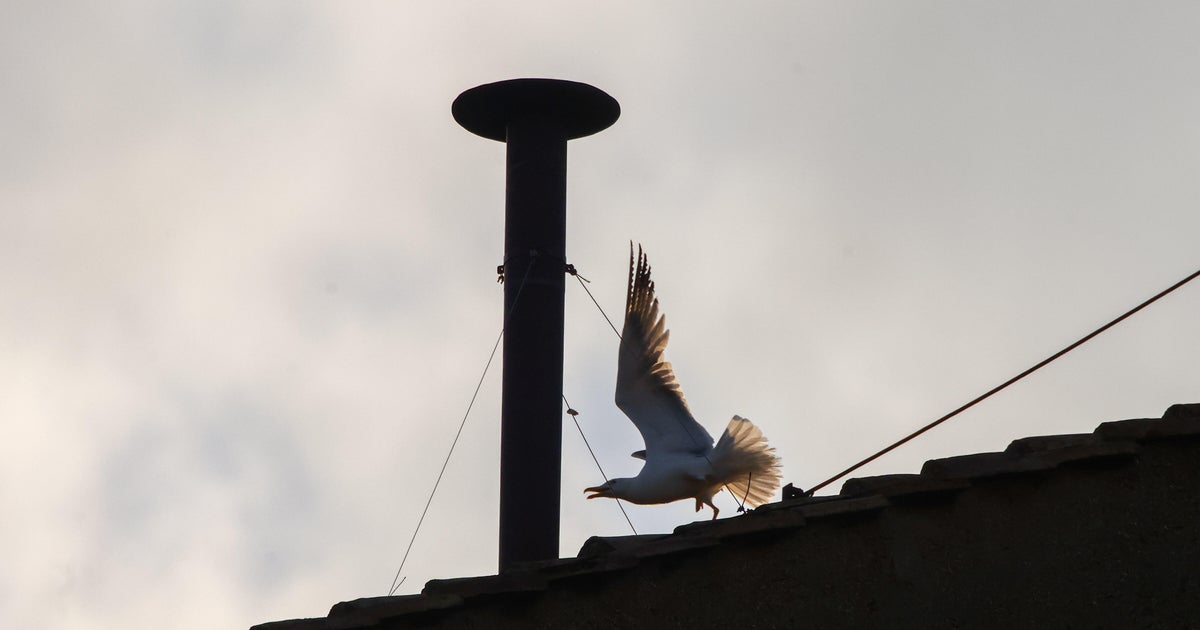
The sight of smoke wafting from the Sistine Chapel's chimney serves as a signal to the world regarding the outcome of the papal vote. On Wednesday, it was clear a new successor to Pope Francis had not yet been chosen in the initial voting round.
The tradition of using smoke to signify the election of a new pope, a relatively modern Catholic practice, stems from the isolation of cardinals during the conclave. The term 'conclave'—from the Latin for 'with key'—reflects their seclusion from the outside world, necessitating ancient smoke signal methods to communicate the outcome.
Interpreting the Smoke Colors
Black smoke emerging from the chimney indicates that the Catholic Church's global community, numbering 1.4 billion, is still waiting for a new pope. Conversely, white smoke is the sign that a new pope has been appointed.
The Rationale for Smoke Signaling
For thousands of years, smoke signals have served as a means of long-distance communication. Though now used for a very specialized purpose by the Vatican, Clare Johnson, an expert in liturgical studies, notes that smoke was traditionally used to convey warnings, summon gatherings, or broadcast news across various cultures, using nuanced methods to convey specific messages.
These methods historically included adjusting the fire’s location or using different types of foliage to alter the smoke color and pattern.
Although cardinals have employed ballot-burning since at least 1417, dedicated chimney infrastructure in the Sistine Chapel was only implemented in the 18th century.
Evolution of Smoke Creation Methods
Throughout history, the conclave has refined its methods for generating the black and white smoke. For instance, prior to the 1865 conclave, accidental inconsistencies were frequent, such as the initial appearance of smoke as white which then darkened.
By 2013, the process had been further refined: adding specific cartridges with potassium perchlorate, anthracene, and sulfur resulted in black smoke, while a mix of potassium chlorate, lactose, and rosins ensured white smoke when a new pope was elected.
Papal Election Timing
It is indeed feasible for a pope to be chosen on the first voting round, though historical records show it is infrequent. The most rapid election occurred in 1503 with the selection of Pope Pius III within mere hours. Recent conclaves have lasted at least a couple of days.
The notably protracted election of Pope Gregory X in 1271 spanned nearly three years, ultimately concluding after about 1,000 days.
Leave a Reply