


High-Level U.S.-China Trade Discussions Scheduled Amid Ongoing Tariff Dispute
Two senior figures from the Trump administration are poised to engage in discussions with officials from China in the coming days, marking a potentially pivotal moment in the ongoing trade tensions between the nations.
Jamieson Greer, the U.S. Trade Representative, is set to engage with his Chinese counterpart to deliberate on trade issues during an upcoming trip to Switzerland, as per a statement from his office.
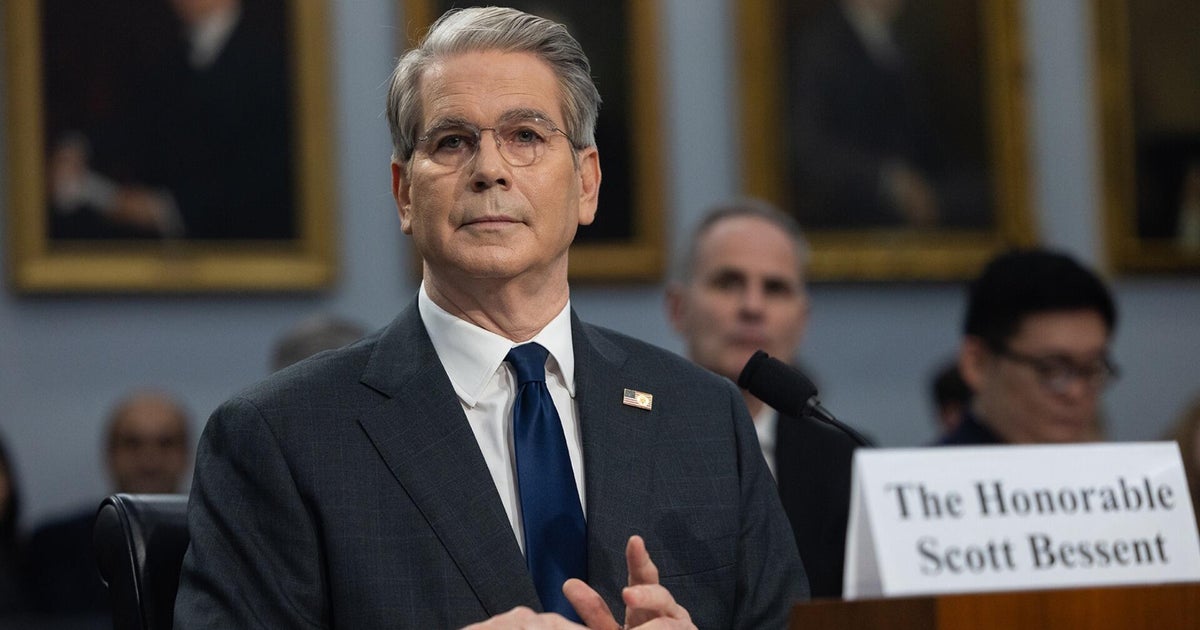
Additionally, Treasury Secretary Scott Bessent is also scheduled to visit Switzerland this week. There, he will confer with China's principal economic matter representative. Although the specific Chinese representative was not named in the release, Chinese Foreign Ministry spokesperson Lin Jian confirmed that Vice Premier He Lifeng would meet with Bessent.
In a statement on Tuesday, Bessent indicated that initial talks over the weekend with the Chinese delegation would prioritize de-escalating current tensions rather than solidifying a comprehensive trade agreement. He highlighted shared interests between the two nations, acknowledging that the extreme tariffs enforced by both sides last month are not viable long-term.
Bessent remarked on a televised interview that while global commerce is largely U.S.-centric, China is the crucial missing element.
Prior to the announcement of the U.S.-China meetings, Bessent mentioned during a public hearing that formal negotiations with China had yet to commence.
The tariff conflict between China and the United States has caused a significant strain on relations, posing threats to the economic linkages that underpin the world’s two largest economies.
In recent times, President Trump imposed a 145% tariff on numerous Chinese goods, part of a broader strategy targeting various U.S. trade partners suspected of unfair commercial practices. In retaliation, China imposed its tariffs on American imports. Although Trump held back on applying such tariffs broadly with other countries to negotiate new trade terms, he maintained the tariffs on Chinese goods.
This ongoing trade war has led to instability in stock markets and incited concerns over economic slowdown and rising consumer prices.
President Trump, advocating his tariff strategy as a method to invigorate American manufacturing and minimize trade deficits, expressed openness to forming new trade agreements. However, he also stated, “We don’t necessarily need to sign agreements, but others are expected to sign with us.”
In a media interaction last week, Trump asserted that Chinese leaders are eager for a trade deal, though he insists any agreement must be equitable. He added optimism for reducing tariffs on China eventually.
Conversely, Chinese representatives have articulated their willingness to negotiate with the U.S., contingent upon the U.S. ceasing its unilateral tariffs.
Responding to China’s stipulation to halt tariffs before discussions, Bessent conveyed on a news segment that he would not disclose their negotiation strategy but reassured that all aspects remain open for discussion.
Joe Walsh contributes as a senior editor for digital politics at CBS News, following previous roles in covering significant developments at Forbes and local reporting in Boston.
Leave a Reply