


Venezuela's Alleged Gang Control Disputed by Intelligence
Recent findings from U.S. intelligence agencies question the justification used by the Trump administration for deporting Venezuelans under a wartime law.
Memo Findings Contradict Previous Assertions
A declassified memo, made available on Monday, reveals that intelligence assessments dismissed a prominent claim by former President Trump. This claim was central to his administration's decision to expedite the deportation of Venezuelans to a detention facility in El Salvador under the Alien Enemies Act.
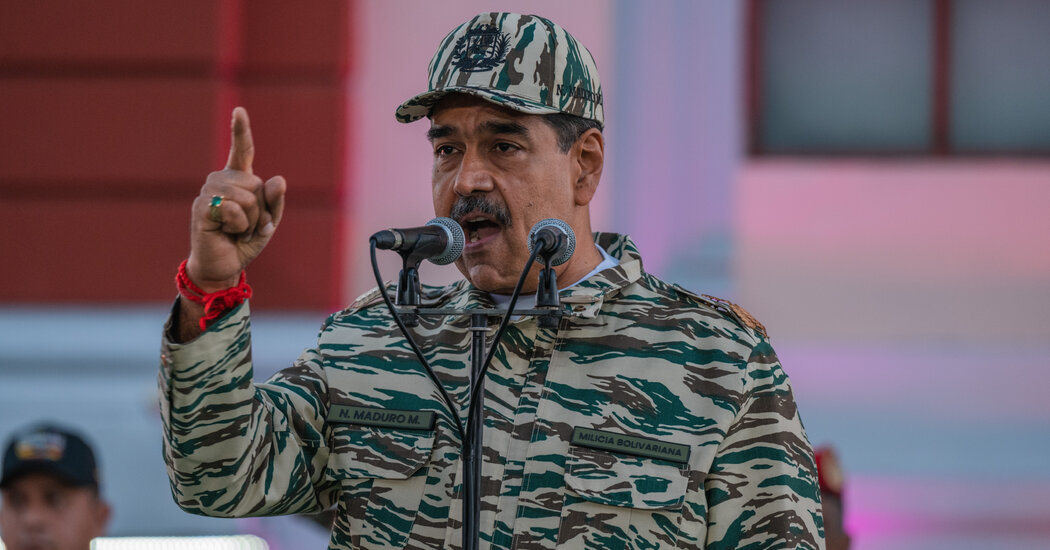
The intelligence affiliation asserts that Venezuela's government, led by Nicolás Maduro, is not orchestrating or controlling the criminal organization known as Tren de Aragua. This stands in direct opposition to Trump's statements when he enforced the mentioned deportation law.
Venezuela's Alleged Role in Gang Activities
According to the memo's content, while the lax environment in Venezuela might allow the gang's operations, it's unlikely that the Maduro government officially collaborates with the group or directs its activities within the United States.
Broader Implications of the Memo's Release
The declassification of this document undermines the Trump administration's narrative regarding the urgent use of the Alien Enemies Act and raises critical questions about their harsh critique of media coverage that followed. Following an article published by The Times, the Department of Justice launched a criminal probe, accusing the reporting of being deceitful and potentially damaging.
Subsequent to the initial media scrutiny, the administration reiterated its stance, using the articles as a pretext to push for reduced restrictions on the investigation of leaks.
Source of the Declassified Memo
This 'sense of the community' memo was disclosed by the Office of the Director of National Intelligence following a request under the Freedom of Information Act by the Freedom of the Press Foundation, which then shared it with The Times.
Leave a Reply