


The Controversial Proposal to Revive Alcatraz
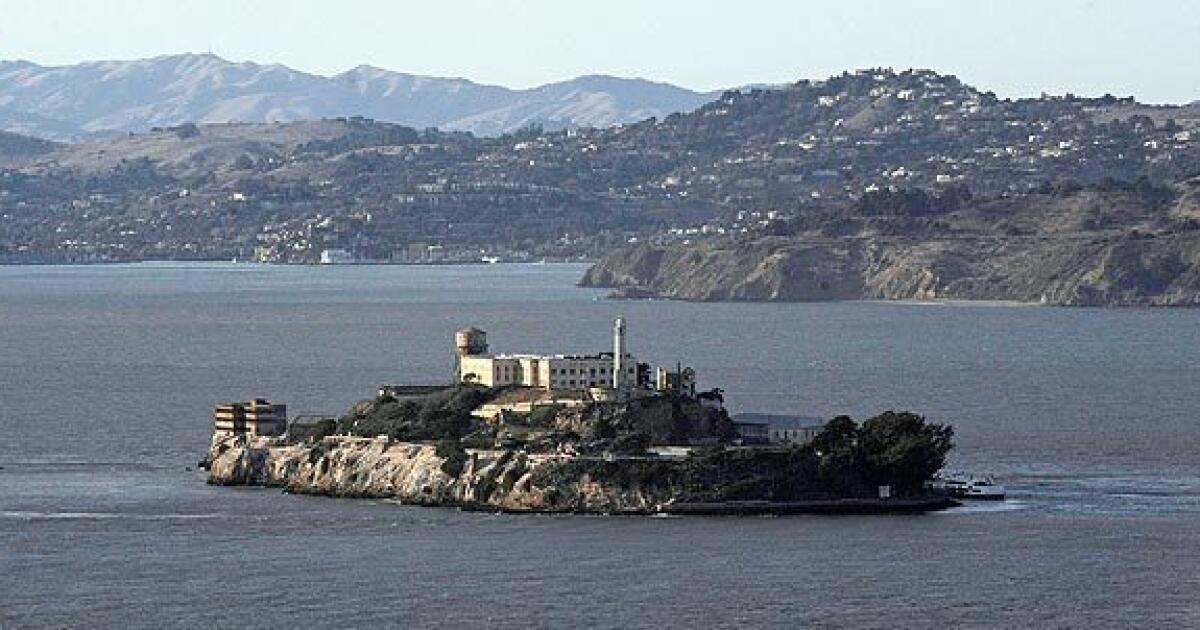
On Alcatraz Island, a historic site and former notorious penitentiary, tourists explore exhibits that encourage them to envisage life confined here, either as an inmate or a guard, amid the solitary environment shrouded in fog in San Francisco Bay.
A recent announcement by President Trump suggested revitalizing the isolated prison facility into a larger complex to detain America’s most dangerous criminals. This proposal left many visitors wondering what it would mean to oversee such a construction project.
Beverly Klir, a staunch Trump supporter from Chicago, expressed her confusion: 'Although I support the President’s initiatives, this seems illogical. Guantanamo Bay seems more appropriate for such offenders than Alcatraz.'
A Historical Site Facing Modern Discussions
While observing the scenic surroundings, which now thrive with vibrant flora and wildlife, visitors noted the prison's structural decay—its facade showing signs of significant aging.
Young visitor Melody Garcia from Concord highlighted the prison's poor condition, noting, 'Alcatraz seems too rundown.'
In response, the Bureau of Prisons expressed its commitment to exploring all means to realize the President’s vision for Alcatraz.
Doubts and Criticism from Officials and Visitors
California officials reacted skeptically. Governor Gavin Newsom’s spokesperson dismissed the idea as a diversion from economic hardships, while Senator Scott Wiener pondered the seriousness behind Trump’s remarks.
Alcatraz's history dates back to the 1850s when it began serving as a military defense post and later as a prison holding Civil War captives and Native Americans. By 1934, it evolved into a federal penitentiary.
The prison, famous for housing notorious criminals like Al Capone, was closed in 1963 due to costly maintenance needs, as stated by historian John Martini.
The island's legacy also includes a pivotal occupation by Native American activists in 1969, emphasizing its cultural significance beyond its history as a prison.
Alcatraz's Transition to a Symbolic Landmark
Despite initial demolition plans, Alcatraz became a cherished national park in 1972, drawing over a million visitors who explore its storied past annually.
Trump envisions its resurrection as an emblem of governance, yet the park’s conservancy argues that its educational and historical roles are profound and transformative.
Financial and Practical Concerns
Critics like John Kostelnik argue against reopening, citing financial inefficiencies and neglect of current federal prison staff's grievances.
The closure of other federal facilities due to resource shortages raises further doubts about the feasibility of such a costly endeavor.
San Francisco locals and tourists question the purpose and financial logic of converting a thriving tourist site back into an operational prison.
Meandering around Alcatraz, tourist Daniel Mulvad and others expressed skepticism over the logistics and financial sensibility of restoring the dilapidated site.
French visitor Tumidei Valentin criticized the proposal as an attention-seeking move lacking practical grounding.
Lastly, Kristin Nichols highlighted the potential loss of cultural history, particularly regarding its symbolism for Native American communities.
Leave a Reply