


Introducing the Floridian Group Methodically Altering Public Assistance Nationwide
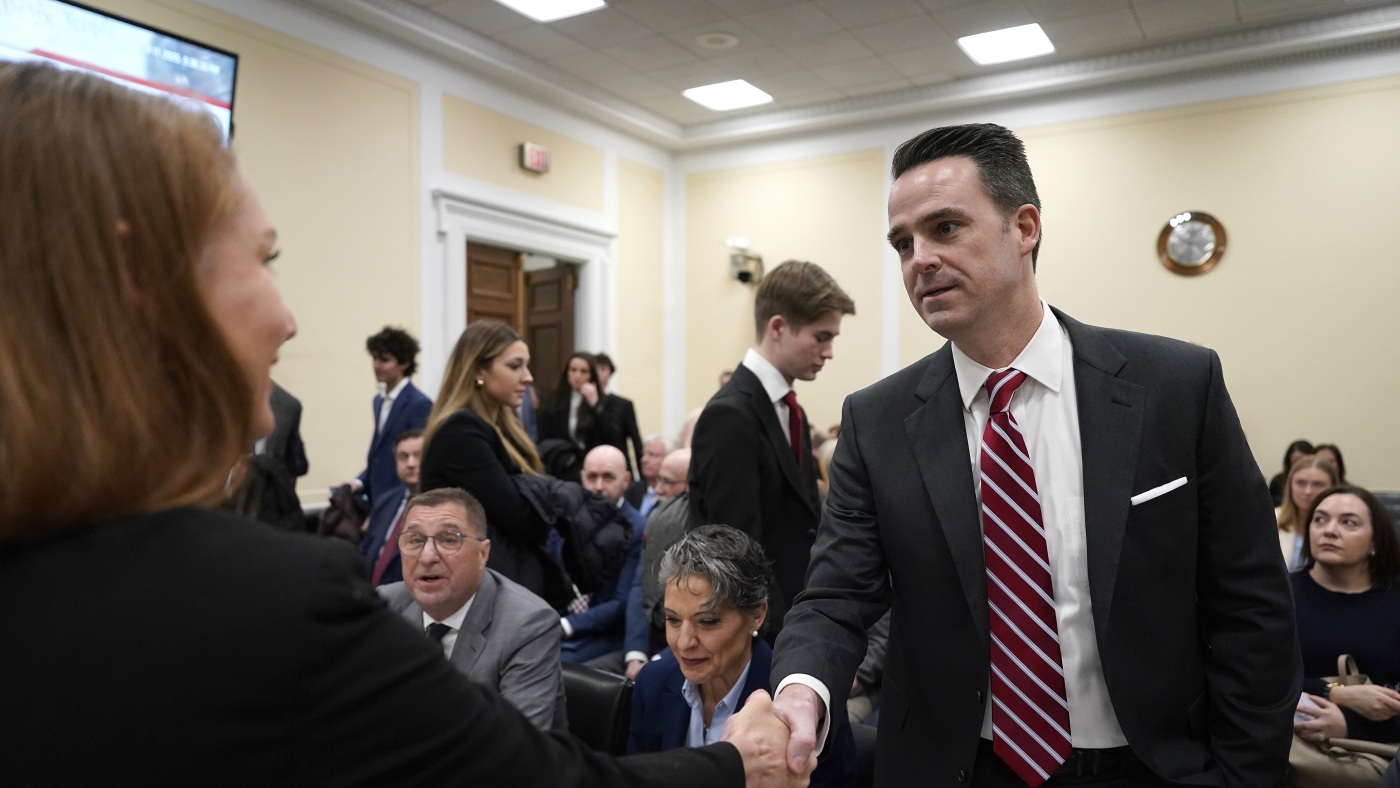
Stewart Whitson, who serves as a senior director at the Foundation for Government Accountability (FGA), recently addressed Rep. Marjorie Taylor Greene's DOGE subcommittee in Washington, D.C. on February 12. The session was focused on curbing governmental waste.
PHOENIX — As an Arizona bill that aimed to limit the purchase of soda with public funds moved to the governor's desk in April, a pivotal moment unfolded as the nation's principal health official joined state legislators in praising its approval.
Policy Shifts in Public Benefits
In a celebratory statement, Health and Human Services Secretary Robert F. Kennedy Jr. acknowledged the legislative milestone, hinting at broader reforms on the horizon over the following four-year period, though he noted the process wouldn’t be instantaneous.
Kennedy's words foresaw challenges, as Arizona's Democratic Governor, Katie Hobbs, used her veto power against the bill within a week. Despite this hurdle, the initiative to control what recipients of the Supplemental Nutrition Assistance Program (SNAP) can purchase—particularly targeting sugary foods—has gained traction nationally. Kennedy championed this cause as part of his broader agenda. By mid-April, Idaho and Utah had already enacted similar legislative measures.
While improving dietary health is not a heavily contested political issue, the debate arises over how much control the government should exert over SNAP purchase decisions. The Foundation for Government Accountability, a conservative policy organization in Florida, is a driving force behind these legislative attempts.
FGA’s Influence on Policy and Legislation
The FGA has been active for more than ten years in the pursuit of reforming public assistance frameworks across the United States. Their interests span not only SNAP but also Medicaid, the joint federal-state initiative providing healthcare support. The FGA endorses legislative tactics to decrease reliance on these programs, arguing that such measures would alleviate taxpayer burdens and promote self-sufficiency among beneficiaries.
Dissenters, however, criticize these proposals as stealthy methods to withdraw support from those in need, suggesting that making healthy foods and healthcare more accessible would be more effective.
The FGA is seizing upon perceived opportunities under both the Trump administration and Kennedy's health department, viewing 2025 as a pivotal moment for profound legislative change.
Strategic Movements Across States
Tarren Bragdon initially launched the FGA in 2011, aiming to liberate individuals from governmental dependency and empower them in pursuit of their own 'American Dream.' What started as a small team with minimal funding has exponentially grown, reflecting its significant financial backing and extended staff.
Initially propelled by grants from longstanding conservative entities associated with the Koch brothers, the FGA's influence has sharply increased.
Efforts and Outcomes
The FGA has encountered mixed results, with some legislative victories strengthening aid eligibility requirements in various states. For instance, measures implemented in Iowa have correlated with surging reliance on food assistance resources, underscoring the broader societal pressures exacerbated by policy changes.
A significant part of their strategy focuses on enacting state-level policies that could compel federal consideration, exploiting waiver processes to amend SNAP purchase restrictions.
Witnessing Kennedy's alignment with their objectives, and anticipating increased governmental backing for waiver approvals, FGA remains steadfast.
Advocacy and Opposition
In Kansas, through prolonged collaboration with policy makers, the FGA achieved restrictions on cash aid, implemented work prerequisites for SNAP, and stopped state funds from promoting public benefits. Resultantly, the number of beneficiaries sharply dwindled.
Karen Siebert from Harvesters, a regional food bank, describes such initiatives as resulting in cumulative detriments to societal welfare.
Got to the Core
Overall, the FGA persistently pursues legislative engagements nationwide, eagerly facilitating discussions and crafting policies that engender significant shifts in social assistance programs. As their narrative gains momentum, discussions on these critical topics amplify.
Leave a Reply