


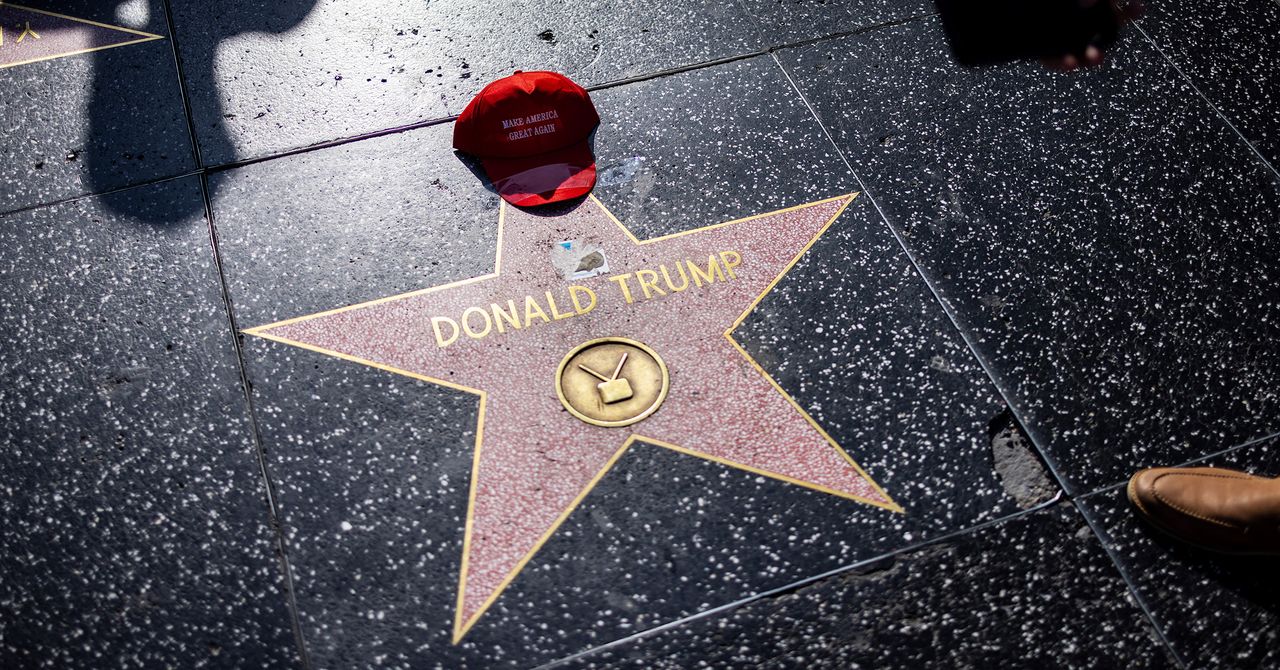
Enhancing Hollywood: Tariffs Aren't the Solution, But an Alternative Exists
Hollywood, famed for churning out films and TV shows, might have assumed it was immune to President Trump’s tariffs aimed primarily at manufacturing goods. However, Trump's recent comments have shaken the industry.
A Surprise Tariff Proposal
On a recent Sunday, Trump claimed on Truth Social that America’s movie industry was in decline, proposing a 100% tariff on films produced outside the U.S. as a remedy. By the next day, a White House representative, Kush Desai, clarified that the tariff proposal was not yet finalized. Despite this, the declaration caused a stir, affecting stock values in companies like Netflix and Disney and sparking questions about the proposal's practicalities.
Tariffs vs. US Film Production
While tariffs are typically imposed to encourage domestic manufacturing by making imports less appealing, the logistics for the film industry are less straightforward. Movies aren't goods that arrive on cargo ships, and numerous questions arise—how would tariffs affect foreign films distributed by American companies? What if a Hollywood studio shoots a few scenes overseas? Would TV programs face the same criteria? The uncertainties abound.
A More Promising Approach: Federal Tax Incentives
While tariffs might not achieve Trump’s desired effects, many advocate for federal tax credits as a more effective strategy. California officials have long championed such incentives, suggesting they could revitalize domestic film production far more efficiently than tariffs.
For decades, Hollywood has filmed internationally to benefit from tax incentives provided by countries like the UK, Canada, and Australia, ultimately reducing production costs. However, applying tariffs might merely hike up cinema ticket prices or reduce film production volumes rather than bringing jobs back to the U.S.
Industry Reactions and Plans
David Hancock, a cinema analyst, points out the challenges in targeting films with tariffs, as they mostly exist as digital files with rights distributed among various stakeholders. Thus, a blanket ban on U.S. producers working overseas could dramatically diminish domestic film production, unless paired with robust tax incentives.
Interestingly, the idea seems partially inspired by actor Jon Voight, one of Trump's Hollywood advisors. Voight and his associates presented a concept to Trump involving potential tariffs, coproduction treaties, and tax incentives to boost U.S. filmmaking.
Seeking Clarity and Alternatives
Duncan Crabtree-Ireland, SAG-AFTRA’s national executive director, expressed openness to any beneficial plan but sought specifics. The president of the International Alliance of Theatrical Stage Employees highlighted the need for a policy that safeguards industry jobs, including those in Canada.
Promoting Tax Credits as a Viable Alternative
Following Trump's comments, some political figures recommended tax credits instead of tariffs. California's governor suggested collaborating on a $7.5 billion federal tax credit program for films, as state credits alone, such as those in Georgia and California, may be insufficient.
U.S. Representative Adam Schiff supported the idea of reshoring film production through tax credits as opposed to sweeping tariffs, which might harm unintentional entities.
Trump's Approach and Hollywood’s Future
Trump expressed a desire to engage with movie studios about his tariff proposal, emphasizing his intent to help, not harm, the industry. However, even Trump's advisors, like Gibson and Stallone, often produce films internationally. It remains to be seen how the administration will balance collaboration with the film industry and its broader policies. Perhaps Trump’s strategy mirrors his negotiation style—indicating tariffs but aiming to strike a deal that ultimately benefits all parties involved.
Leave a Reply