


Cincinnati's Mayoral Race Faces Uncommon Competition
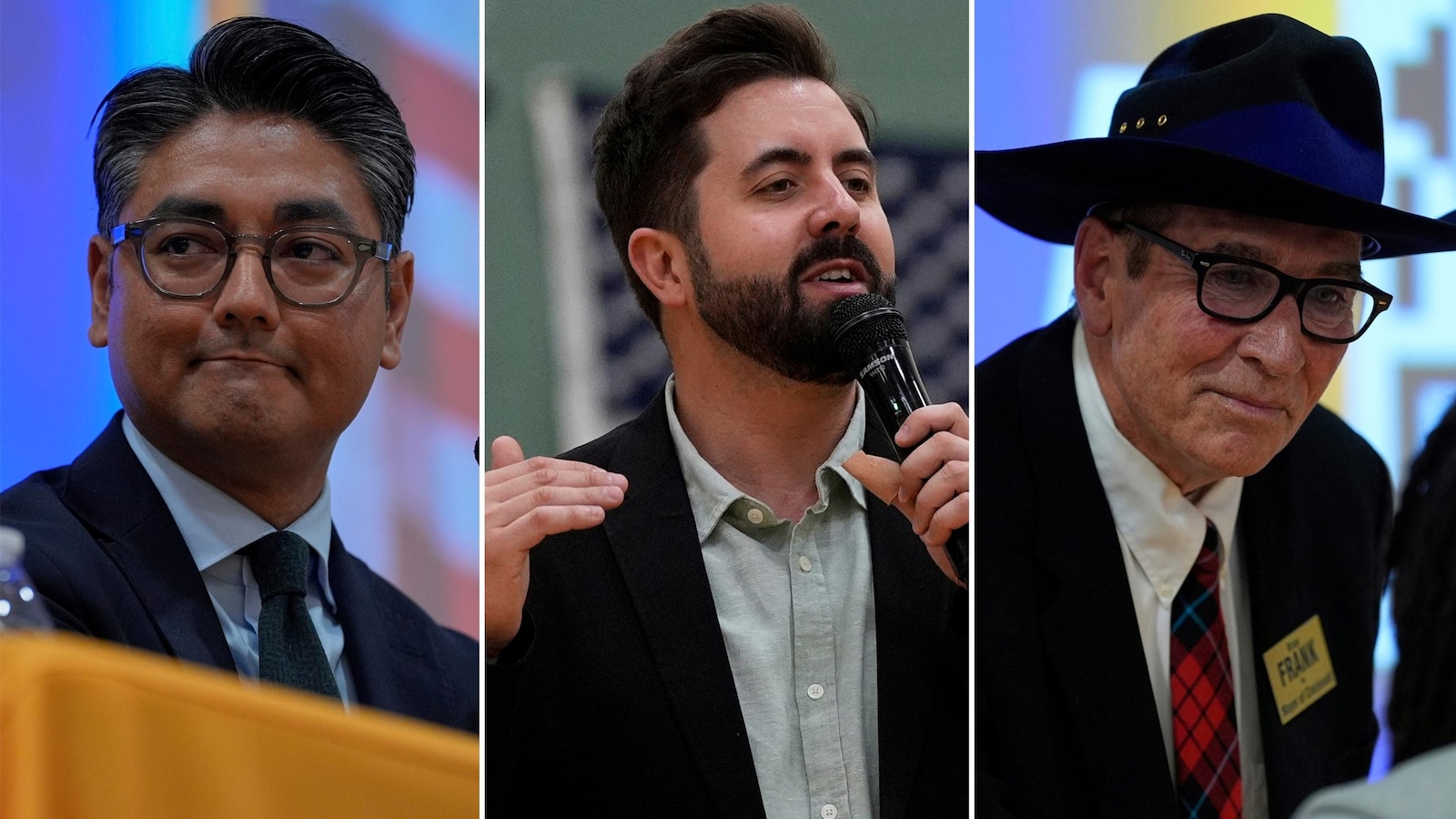
This Tuesday, the bustling city of Cincinnati witnesses a rather unusual nonpartisan primary election where two contenders aim to shake the seated mayor, Aftab Pureval, from his position. Among these challengers is Cory Bowman, the half sibling of notable Vice President JD Vance.
The pair of candidates who secure the most votes will advance to the upcoming general election in November, competing to govern Ohio's third most populous city.
Cory Bowman, with a background deeply rooted in spiritual guidance as an evangelical pastor and entrepreneurship as a coffee shop proprietor, joins forces with Brian Frank, a professional in procurement. Both newcomers to electoral politics, they decided to step into the fray to ensure Mayor Pureval's candidacy faces ample scrutiny in a city that leans heavily Democratic.
If Bowman manages to outdo expectations, he would join the ranks of family members of high-office holders venturing into public service, akin to Mike Pence's brother, a congressman during the Trump-Pence administration.
At 36, Bowman aspires to focus on local issues over national affairs, spurred into political involvement by witnessing his brother's induction early this year. He regards Vance as nothing more than familial support rather than a mentor in political tactics.
Aftab Pureval, deemed a promising figure in Democratic politics, holds a record of significant legal and political roles, including his triumph in 2021, where he captured the mayor's office by drawing 66% of the voters.
Historically, Cincinnati's off-cycle primaries have been unpredictable, occasionally favoring unexpected candidates. For instance, Democrat John Cranley defied odds in 2013, surpassing former mayor Roxanne Qualls, and similarly overcoming a primary loss to Yvette Simpson to reclaim office in subsequent elections.
In addition to the mayoral primary, Cincinnatians will weigh in on State Issue 2, a proposal to reinstate funding for critical infrastructure projects spanning roads and bridges, totaling $2.5 billion over the next ten years.
Leave a Reply