


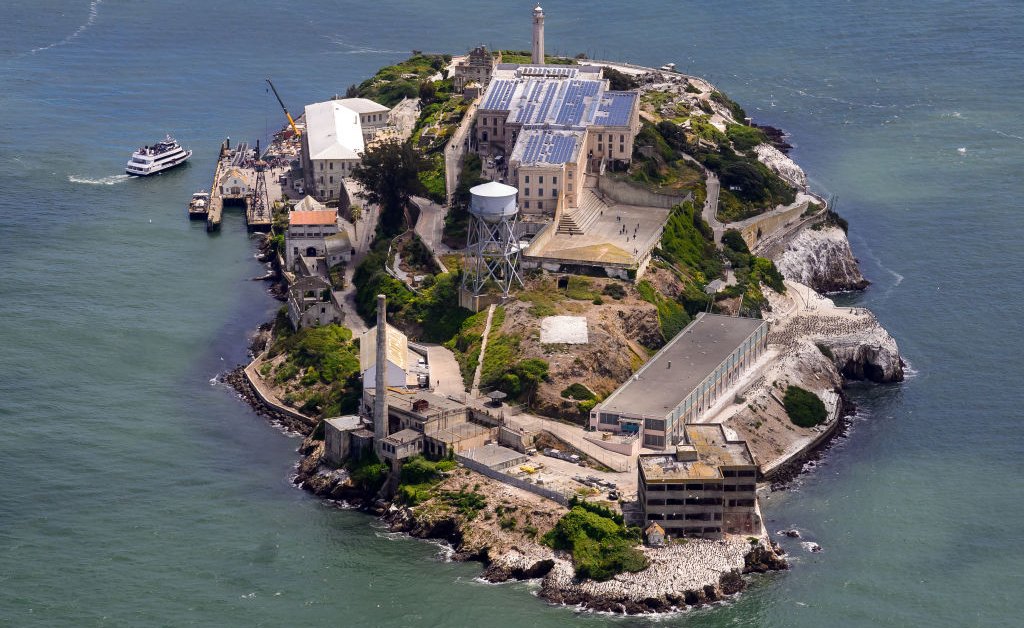
Trump's Vision: Alcatraz Revisited
Alcatraz Island, an iconic location off the coast of California, has a storied past as an escape-proof federal prison. It once housed notorious criminals like Al Capone and George Kelly.
From Tourist Spot to Prison Again?
Decades after it was acquired by the National Park Service and opened to tourists, Donald Trump is eyeing a return to its roots as a correctional facility.
A Presidential Directive
President Trump announced on Truth Social his intention to revive and expand Alcatraz as a haven for America’s most dangerous convicts, enlisting agencies like the Bureau of Prisons and Homeland Security.
Broader Implications of Law and Order
This move aligns with Trump's broader agenda during his second term, pushing for harsher legal penalties and an emphasis on deportation. He has often expressed his willingness to fortify America’s stance on crime and immigration, as seen in other initiatives like the Guantanamo Bay detention center.
A Reflection on Legal History
Trump claims the United States, in its past seriousness, didn't shy away from incarcerating dangerous individuals, a sentiment he echoes in wanting to keep judges accountable and criminals at bay.
He told journalists his Alcatraz idea could serve as a response to judges tied up in proceedings involving undocumented migrants, viewing the island as a symbol of justice.
Historical Context
Originally a military fortress, Alcatraz was named after seabirds by early Spanish explorers. Over time, it held various prisoners, including Civil War detainees and indigenous resistors, culminating as a federal prison in 1933.
Famous for its purported escape-proof design, it once required significant resources—eventually leading to its closure due to high costs.
Cultural Impact and Modern Usage
Alcatraz has continually captivated the public imagination, portrayed in numerous films and becoming a major tourist destination, drawing millions annually.
Challenges and Skepticism
However, with the island under the National Park Service's administration, the feasibility of Trump's plan remains uncertain. In response, officials have stated they will act according to presidential mandates, but the logistics pose challenges amid existing infrastructure issues.
Critics like former Speaker Nancy Pelosi have dismissed the proposal as lacking seriousness, highlighting funding and jurisdictional conflicts.
Leave a Reply