


The Struggle Against Illegal Fishing in Mexico’s Marine Refuges
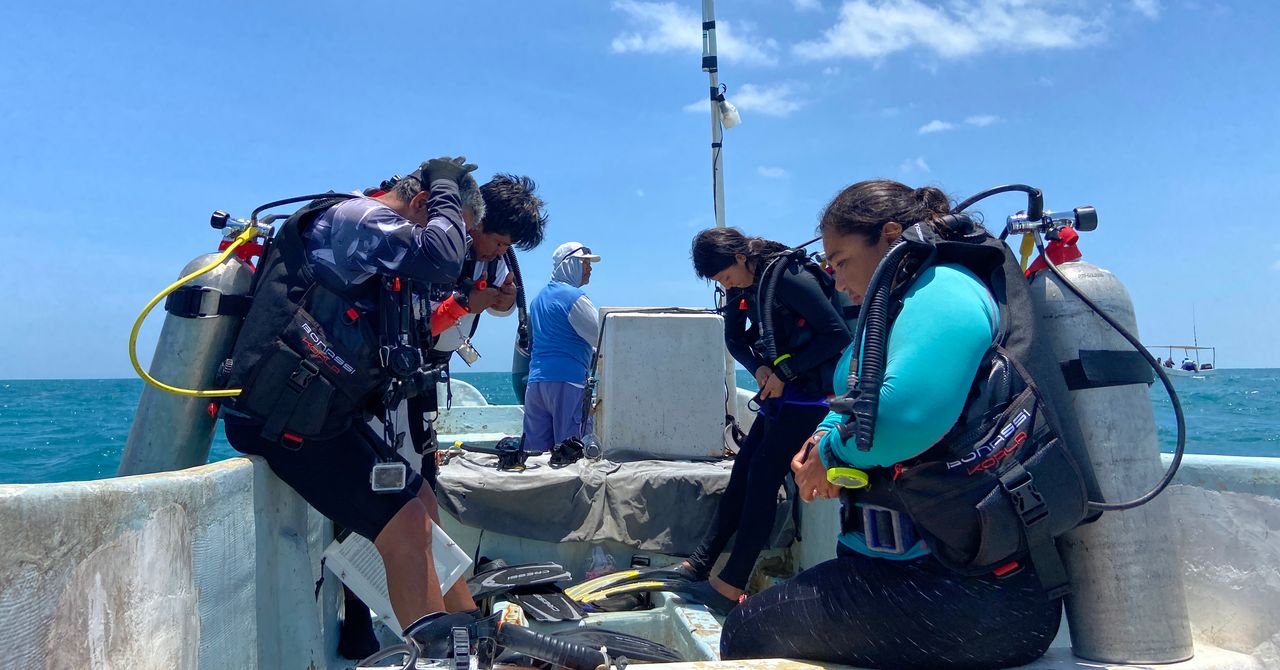
With two hours out at sea, the divers navigate to select GPS coordinates in the Gulf of Mexico. They slow the engines to a near hush and prepare to join the waters of the Celestún Fishing Refuge Zone, one of Mexico’s expansive no-fishing areas. Divers methodically prepare: attuning their gear and ensuring everything is meticulously in place, all hopeful for a future where seas teem with life once more.
This initiative aims to reverse the decline of fish stocks on the brink of collapse. The refuge spans over 324 square kilometers and is under the watchful care of the Yucatán Coast Submarine Monitoring Community Group, a team blending local expertise and scientific precision, aided by the Mexican Institute for Sustainable Fisheries and Aquaculture and COBI, a biodiversity-focused NGO.
Many nations, including Mexico, grapple with the challenge of unsustainable fishing practices and ecological harm. As ocean temperatures climbed to record highs in 2024, reports from the Worldwide Fund for Nature highlighted a staggering 56% decline in marine populations over half a century, with over a third of marine life suffering from overfishing.
Mexico’s fisheries, crucial for the livelihoods of 200,000 families, are home to more than 700 marine species. However, analysis shows 17% of these fisheries are declining, with another 62% being maxed out sustainably, indicating a precarious state of affairs. Oceana's investigations even revealed that 34% are in poor condition, underscoring an urgent need for action.
Mexican legislation notably lacks provisions that compel government oversight of fisheries. This gap led Oceana to challenge the system, alleging violations of environmental and sustenance-based human rights. Despite proposing reforms to rejuvenate Mexico’s struggling marine territories, progress remained stalled in Congress.
Grassroots Initiatives and Community Leadership
Faced with governmental silence, local communities took the helm. They utilize their right to request refuge zones, despite the lack of mandatory government protection efforts. These zones now span Baja California Sur, Quintana Roo, and Campeche, covering over 2 million hectares and nurturing around 130 species.
Initial skepticism greeted the concept of marine refuges, with some fearing mismanagement might ‘close off’ the sea. However, Alicia Poot from IMIPAS highlights how these areas promote sustainable practices and oversight by local communities.
Sustainable Choices Amidst Scarcity
Celestún divers discuss illegal diving equipment used for sea cucumber harvesting, lucrative due to high prices in markets like China. Inadequate equipment leads to health risks, yet fishermen continue, driven by falling stocks of once-plentiful species like scallops and crabs.
As species like the Moorish crab and grouper dwindled, practices evolved, but not fast enough. The decline extended to octopuses, prompting the use of illegal methods over traditional lines and bait, catching females and juveniles alike and exacerbating overfishing.
This depletion of resources drives fishermen to venture farther into sea, raising risks and operational costs. Yet, sustaining income outweighs safety concerns amid increasing climate-induced challenges.
Seeking refuge, fishermen aligned with researchers, identifying urgent conservation needs for red grouper and octopuses, alongside sustainable fishing allowances for select species using “trolling” techniques.
From Skepticism to Advocacy
Josué Canul, once a skeptic, now leads the refuge's efforts. Drawing from personal losses and community potential, he transformed from being a poacher to a passionate advocate, recognizing the long-term benefits of preserving resources for future generations.
Previously notorious for its illegal fishermen, Celestún now leads with innovative refuge strategies, earning respect and collaboration from other community leaders and researchers.
Challenges in Enforcement and Community Resilience
Despite initial resistance, preventing illegal fishing remains an uphill battle, requiring community cooperation to overcome deep-rooted norms centered on rapid exploitation over sustainable practices. Andrea Saénz at the Colegio de la Frontera Sur identifies a mindset of ‘racing’ for catch, exacerbated by open seas access.
Success hinges on tightly-knit community efforts, evidenced by baseline monitoring and continual species abundance tracking within refuge boundaries, fostering lessons in sustainable stewardship for newer generations.
Science and Community Collaboration
Monitoring day sees divers submerge for precise data gathering on sea life diversity and habitat health, contrasting conditions inside and outside the protective zones. Esther Yerves, inspired by declines in octopus populations, becomes an enthusiastic ally through direct involvement and firsthand diving experiences.
The participation of Yucatán coastal communities intensifies as they gain certifications and knowledge to manage marine resources sustainably, through partnerships with organizations like COBI and government agencies.
Building a Supportive Infrastructure
Refuge advocates shore up financial support through unique fundraising events, and now, grants from international bodies to integrate eco-friendly technologies into their routines, a move toward sustainable operations and reduced ecological footprints.
Despite the financial and enforcement hurdles, community-driven programs hold transformative potential for marine conservation, notably building social trust and broadening economic prospects without adverse environmental impacts.
As fishermen and conservationists continue their surveillance, they face ongoing challenges against illegal activities. While laws gradually evolve, strong community bonds and systems of accountability remain pivotal in safeguarding marine ecosystems for future resilience.
Leave a Reply