


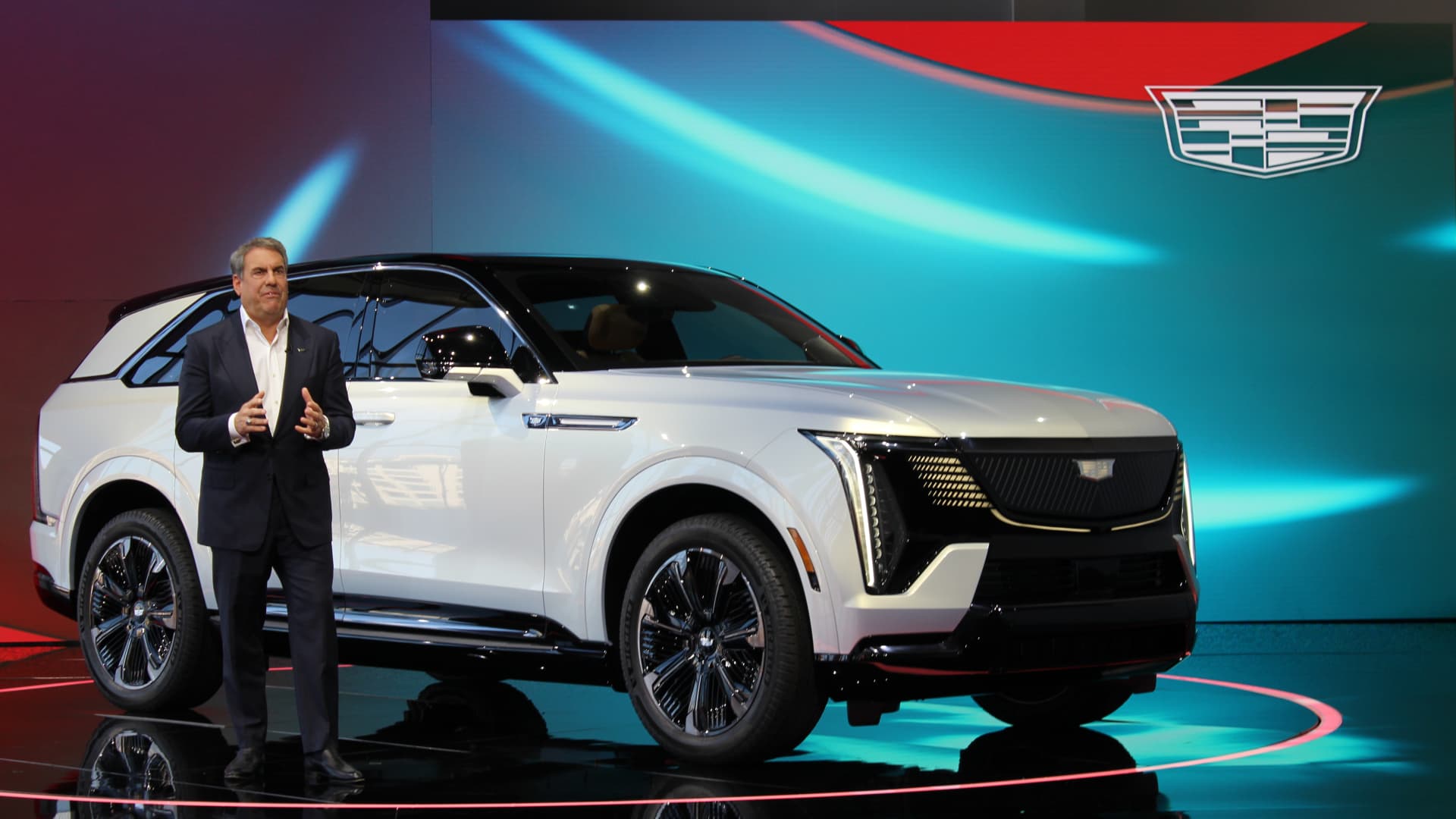
The Revival of Cadillac: GM's Longstanding Endeavors
Step inside GM's global design center, and it's as if you've been transported to another era. The midcentury-modern design and architecture have been largely preserved since their inception in the 1950s.
During this time, GM, based in Detroit, was at its pinnacle, especially marked by Cadillac being heralded as the 'standard of the world.' However, as decades rolled by, market competition intensified with the emergence of rivals like BMW, Mercedes-Benz, and Lexus, leading to a diminution in U.S. market presence.
Reviving the Legacy
Mark Reuss, GM's President, might not have witnessed this bygone era firsthand. Yet, under his vigilant guidance, a resurgence for Cadillac has been orchestrated, aiming to recapture the luxury market prominence once owned by American brands.
Reuss emphasized, 'The count of premier American luxury brands is scarce. For GM and Cadillac, it's time to showcase what we're capable of — I'm fervently committed to it.'
Within the domestic sphere, Cadillac's predominant adversary has been Lincoln, but competition extends beyond borders, with contenders emerging from Germany, Japan, and more recently, South Korea. The domain of electric vehicles also introduces fresh challenges.
Strategic Initiatives and Renaissance
Luxury vehicles are pivotal for carmakers due to their lucrative profit margins and their appeal to affluent consumers who regard these vehicles as status emblems.
Reuss oversees all GM product lines, yet Cadillac remains a particular focus. Described by those within the brand as a guardian and visionary, Reuss has led the luxury marque through both challenges and triumphs.
Despite some setbacks, notably with China sales and the integration of electric technologies, Cadillac has largely adhered to its outlined strategy from a decade past.
Reuss commented, 'Peering at Cadillac's past financials and product lineup, the brand wasn't flourishing. We've been on a long journey to rejuvenate a once 150-year-old brand that wasn't meeting its historic standard. However, the vision is steadfast and apparent.'
This vision leans considerably on electric innovation, dynamic sedans, and the iconic Escalade to reestablish Cadillac's prestige.
Formulating a New Path
By mid-2018, key figures like Reuss, design chief Michael Simcoe, and then-leader Steve Carlisle convened to redefine Cadillac's path. They aimed to set Cadillac apart, focusing distinctly on unique components and design, different from GM's other lines.
Carlisle reflected, 'We aimed to establish a solid foundation for Cadillac. Our approaches had been inconsistent, but the intention was clear.'
Cadillac's ambition was to restore its lineup with sleek vehicles, elevating its standing and residual value while reducing sales incentives.
Electric Ventures and Model Diversification
Cadillac transitioned its model roster towards electrification, aiming to compete with Tesla's offerings. The strategy envisioned a full transition from gasoline to electric models by 2030, while maintaining a diverse lineup of both vehicle types in the meantime.
The inaugural model from this strategy was the all-electric launched in 2022. The highlight, however, remains its ongoing 'relaunch.'
Key meetings in GM's design dome etched the current vision for Cadillac's future. This place laid the groundwork for models that would be distinctive to the brand.
De Nysschen, a former executive, noted Cadillac's adherence to strategic inclinations laid during his tenure, acknowledging its tangible progress since.
Emphasis on Craftsmanship
Historically, GM's mantra prioritized 'volume before value,' beneficial for mainstream models but challenging for Cadillac. This occasionally delayed Cadillac’s market entries, evident in the case of specific models.
However, new strategic directions mean Cadillac focuses on bespoke models like the electric, hand-built at its Warren site. Despite initial production delays, the company is recommitting to the model post-software enhancements.
Should this initiative succeed, GM may adopt a dual business model: hand-crafted luxury alongside mass-produced offerings.
Navigating Challenges and Opportunities
There's growing attention towards Cadillac from Wall Street investors, especially as other GM growth prospects wane. Analysts recognize the immense potential within the Cadillac brand.
Recent sales performances underscore Cadillac’s upward trajectory. The brand recorded its best figures since 2008, achieving impressive transaction prices while minimizing sales incentives.
While building brand equity in the U.S., Chinese sales present challenges driven by local brand dominance and shifting consumer preferences.
Cadillac's footprint in China remains a focus, alongside efforts to re-enter European markets. Despite declining sales, the brand aspires to evolve its strategies in these vital regions.
Roth articulated that Cadillac's ambition is multidimensional. 'Standards evolve continuously,' he remarked. 'We aim to uplift the brand’s identity within the marketplace continually.'
Leave a Reply