


Survivors of Plane Crash Endure Two-Day Trial in Swamp Teeming with Predators
In an isolated section of the Bolivian rainforest, a small aircraft's crash set off a perilous 36-hour test of endurance for its passengers.
The airplane came to an abrupt stop in a marsh laden with alligators and anacondas, forcing the pilot along with four passengers, one of whom was a young child, to desperately cling onto the wreckage as hours turned into days.
A doctor who attended to the five after their rescue reported that all were conscious and stable, though the child's 37-year-old aunt was hospitalized due to a head wound infection. Meanwhile, others were treated for dehydration, mild chemical burns, and bites.
In a statement, Bolivia’s civil defense applauded the successful rescue of the crash victims.
Dr. Luis Soruco, the attending physician at the hospital in the Beni region, expressed amazement over their survival, indicating that only the woman with the head injury required prolonged medical care.
Pablo Andrés Velarde, the 27-year-old pilot, shared his incredible story with the media—a rare moment of hope amid Bolivia's ongoing economic and political challenges.
Velarde recalled the relentless mosquitoes preventing any semblance of rest and how the lurking alligators and snakes kept their distance, possibly deterred by the acrid smell of leaking jet fuel.
Their sustenance during this ordeal was limited to cassava flour brought by one of the women; contaminated lagoon water was undrinkable.
The ill-fated flight departed from Baures aimed at Trinidad for a medical appointment, accompanied by neighbors intending to run errands in the town.
In this region, where rivers rule the landscape, such flights are typical, especially when unpaved roads dissolve under heavy seasonal rains.
The plane's engine malfunctioned only 27 minutes into the journey, leaving the pilot with no choice but to attempt an emergency landing.
With few options and limited communication, Velarde attempted to land in what appeared as clear space adjacent to water.
The crash was brutal and catastrophic, throwing the plane upside down into the lagoon and inflicting injuries on all aboard.
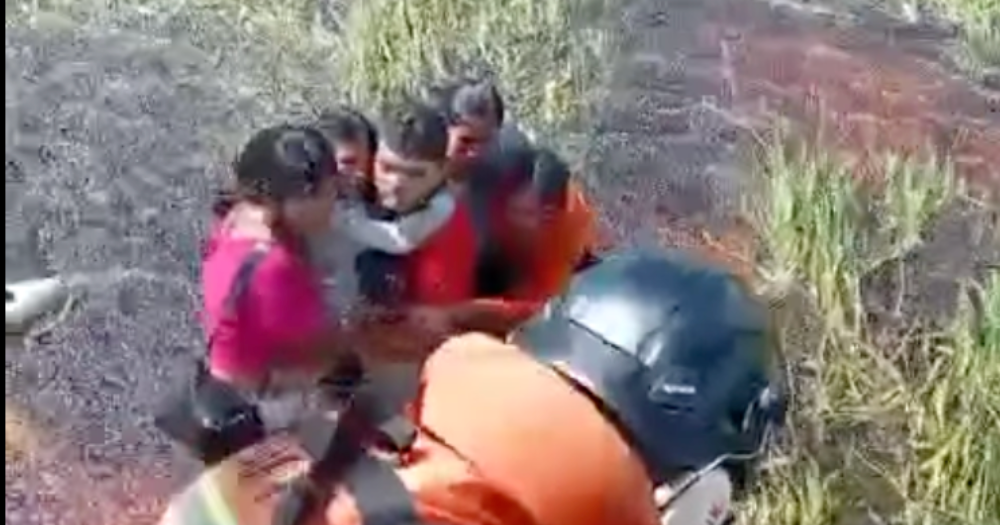
Trapped atop the wreck for two harrowing nights as mosquitoes swarmed, they made futile signals for help until fishermen eventually discovered them by their cell phone lights and shouts, leading to eventual rescue.
Reflecting on the ordeal, Velarde admitted that surviving another night would have been nearly impossible.
In acknowledgment of the rescue effort, Bolivia’s vice minister of civil defense praised the involved teams for their efficiency and dedication.
Leave a Reply