


Resumption of Collection on Defaulted Student Loans for Over 5 Million Borrowers
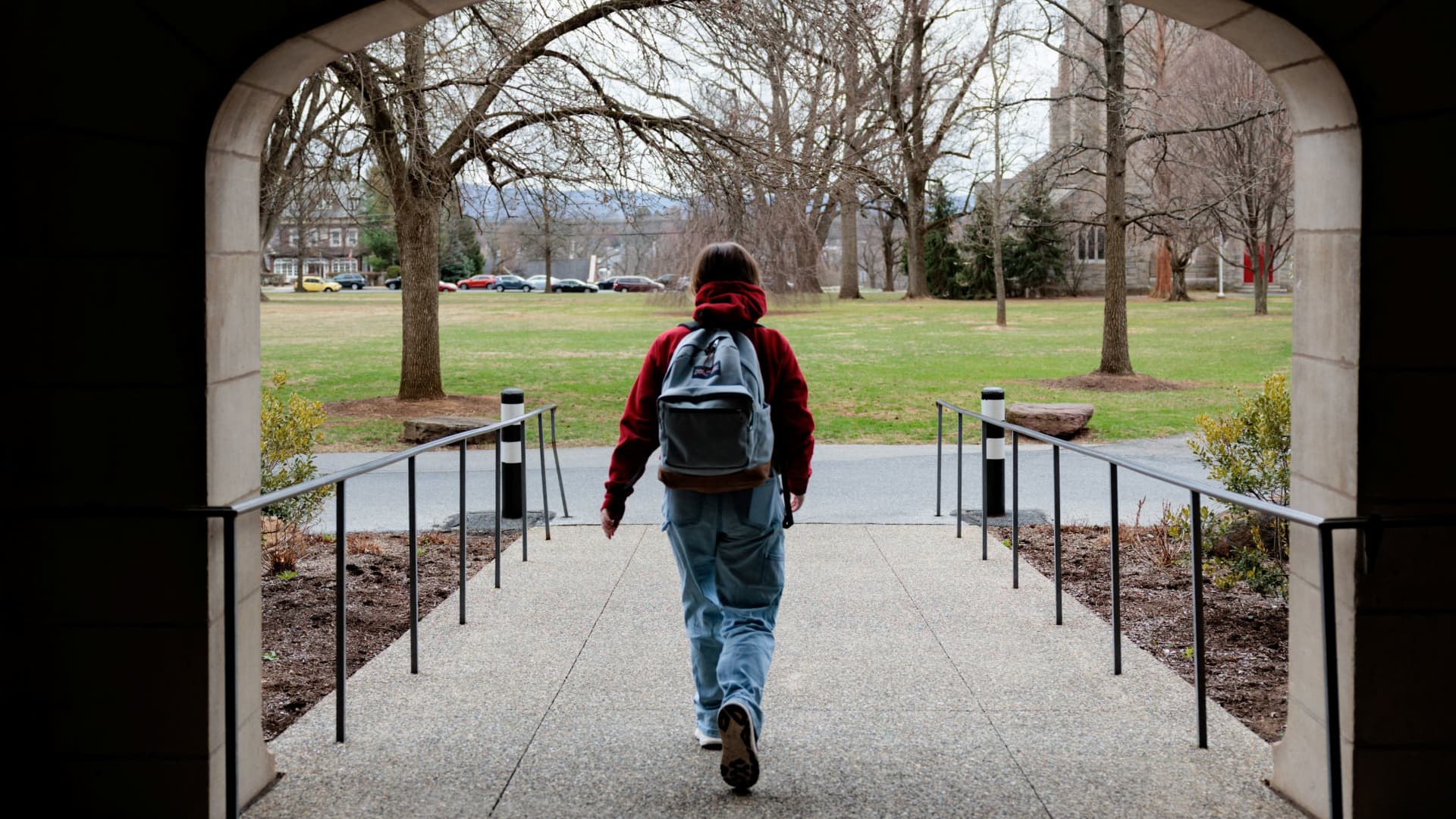
Starting Monday, the U.S. Department of Education will reinstate collections on student loans that are in default, putting millions of borrowers at risk of wage garnishments and other financial repercussions.
The federal government wields extensive powers to recover defaulted student loans. It can intercept borrowers' tax refunds, social security, and disability benefits.
A staggering $1.6 trillion in federal education debt looms, held by a vast number of borrowers. More than 5 million of these borrowers are currently in default, and this number could reach upwards of 10 million in the near future, as indicated by perspectives from the Trump administration.
The Trump administration has expressed skepticism towards former President Joe Biden's strategies for student loan forgiveness, challenging the practice of allocating government funds to individuals who have benefitted from higher education.
U.S. Secretary of Education Linda McMahon stated, "American taxpayers should no longer be held accountable for reckless student loan policies."
Changes to Repayment Plans and Delays in Assistance
For nearly five years, collection efforts on federal student loans were halted, during which significant alterations and interruptions in the lending framework transpired.
Many borrowers who had enrolled in the Biden administration's new repayment strategy called SAVE find themselves in uncertain situations after legal challenges led to disruptions. Consequently, these borrowers must transition from a Biden-era reprieve to an alternative repayment plan with potentially higher monthly obligations.
Recent actions by the Trump administration have led to the dismissal of certain repayment methods for student loans.
Moreover, staffing reductions at the Education Department have occurred, impacting individuals responsible for assisting borrowers. As a result, some student loan holders have experienced prolonged wait times before being able to discuss their options. The Trump administration has recommended that borrowers in default contact the department to explore ways to get back on track.
Mark Kantrowitz, a higher education expert, noted, "The timing of the staff reductions is inopportune, given the heightened demand for borrower assistance." He added that reports have surfaced of borrowers waiting up to eight hours to connect with a department representative.
Impact of Default on Credit Scores
Resuming collections amid great uncertainty in the federal student loan framework could exacerbate financial hardship for working families, according to Mike Pierce, executive director of the Student Borrower Protection Center.
Borrowers who are overdue on payments may watch their credit scores plummet by as many as 129 points as the Education Department intensifies collection efforts, according to VantageScore.
The Federal Reserve indicated in March that individuals with outstanding delinquencies might see credit declines of significant margins. Credit scores—ranging from 300 to 850—are deemed good starting at about 670.
Lower credit scores can result in steeper interest rates on consumer loans, including mortgages, auto loans, and credit cards.
Carolina Rodriguez, director of the Education Debt Consumer Assistance Program in New York, mentioned routinely encountering clients concerned about their descending credit scores due to overdue debts.
Rodriguez explained a client's predicament: earning $45,000 annually in New York City, yet unable to afford her $200 monthly student loan payment, leaving her financially strained with each passing month.
Leave a Reply