


Louisiana Coast Oil Spill: Containment Achieved, Cleanup Persists
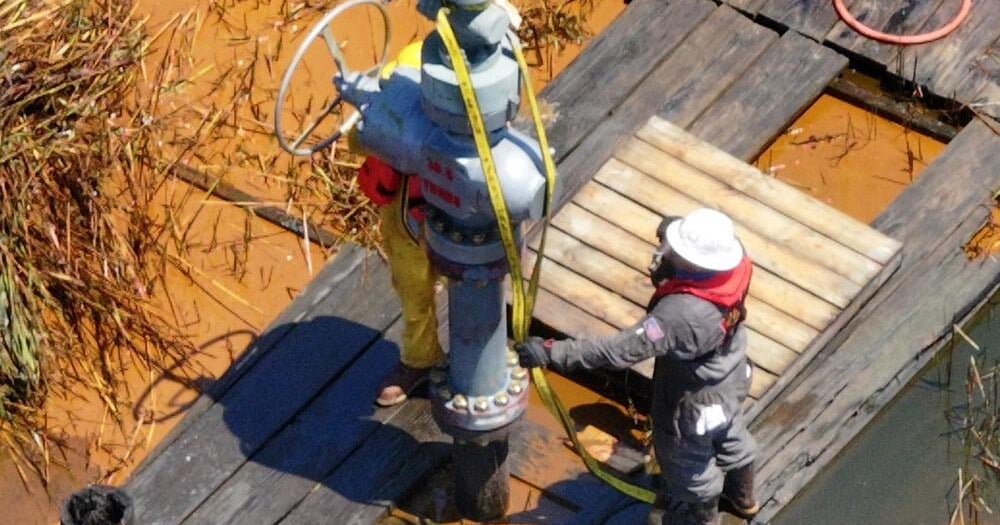
The U.S. Coast Guard announced that after more than a week, they have managed to control an oil and gas discharge from an inactive offshore well first identified on April 26.
Spewing oil and gas formed a towering 30 to 40-foot 'oil geyser,' that polluted the adjacent marshes and endangered protected Gulf habitats, necessitating a sweeping emergency intervention.
Coast Guard Captain Greg Callaghan, the federal coordinator on the scene, emphasized that achieving control over the well is just the kickoff for extensive cleanup operations. The Unified Command remains dedicated to thorough efforts, focusing on both the eradication of the oil and the safeguarding of local ecosystems and communities.
Transferring responsibility to federal authorities on Thursday, the Coast Guard took over leadership from Spectrum Opco, the well operator, in collaboration with Louisiana's Oil Spill Coordinator's Office. A concerted cleanup initiative is in progress, involving NOAA, the Coast Guard, local and state bodies, and contractors handling specific tasks for the well's proprietor.
An 'oiled bird' has been reported near the spill vicinity yet remains uncaptured, according to the Coast Guard. So far, no further wildlife impact information has been disclosed, although pollutants may have infiltrated endangered sea turtle zones.
NOAA's Response and Restoration Office, a key consultant during hazardous spills, has witnessed a workforce decline, losing 30 of its 85 employees due to fiscal curtailments implemented by the previous U.S. administration.
NOAA’s Office of Response engages in over 150 incident responses yearly, educating around 1,000 individuals on scientific procedures supporting oil and chemical spill responses. Former specialists and environmental groups express concerns over whether the office can uphold its mission following staff cuts, especially with streamlined federal permitting imposed by the former administration.
Authorities haven't yet disclosed the blowout's origin or the precise oil quantity released into Louisiana’s marshes. However, Coast Guard reports suggest the discharge could surpass a significant coastal spill mark, estimated over 100,000 gallons, as revealed by SkyTruth using satellite data.
As of now, approximately 70,000 gallons of an oil and water mixture has been retrieved from the spill zone.
The incident sheds light on the general predicament of outdated and neglected oil wells in Louisiana, which still has over 4,000 uncapped wells despite federal allocations to tackle the issue.
Well #59, the source of the current issue, wasn’t entirely neglected but had remained inactive without measured oil pressure since the 1990s. The well was halted in 2016 without the permanent sealing measures often applied to such structures.
Challenges such as the site's remoteness delayed capping equipment arrival, allowing the leak to persist for a reported eight days before being secured on a Sunday.
Locals from the nearest settlements indicated such leaks, akin to the Well #59 issue, are not uncommon and often remain unnoticed until accidentally discovered.
Estimates indicate over 14,000 unplugged oil and gas wells exist in the Gulf of Mexico, underscoring a larger challenge in oil well management and environmental protection.
Leave a Reply