


End of Student Loan Relief: A New Era for Borrowers
A five-year hiatus on student loan collections has come to a halt, leaving borrowers with two stark choices: commence payment or brace for repercussions.
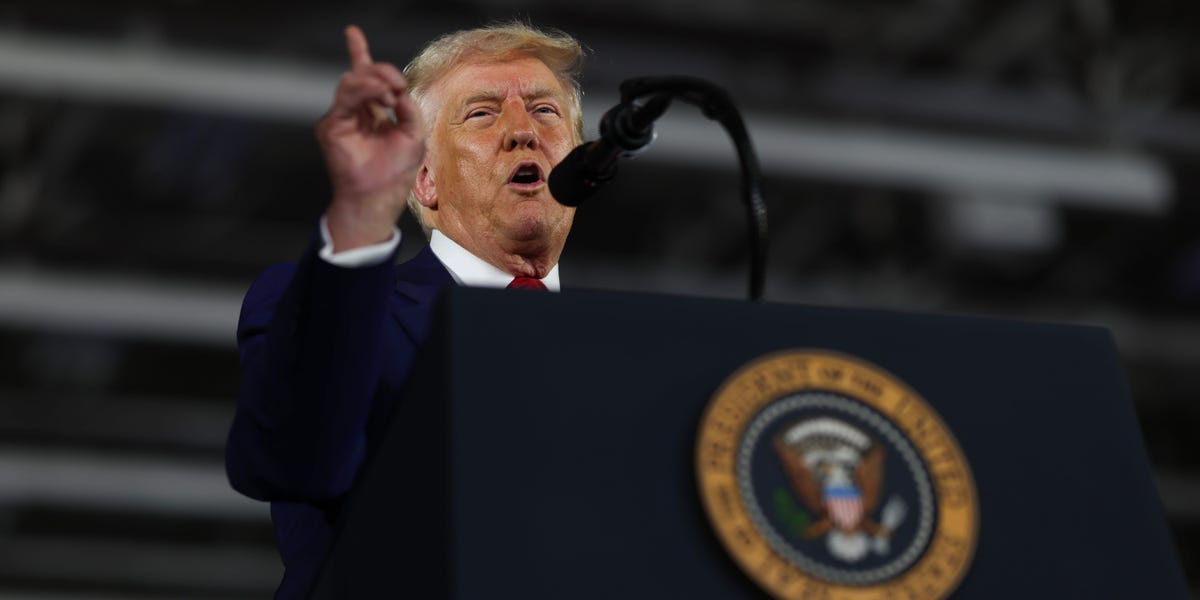
On May 5, the Trump administration reignited the process of collecting debts from borrowers in default, drawing to a close an extended period of leniency that began in 2020 under Trump and persisted under Biden's tenure. This period allowed individuals behind on their student loan commitments to avoid penalties.
The imminent cessation of the pause, announced by the Department of Education, warns defaulters of potential seizures affecting federal benefits, such as Social Security, and wage deductions if payments are not resumed.
Implications for Defaulters and Delinquents
Borrowers are categorized into those who are in debt default, defined as exceeding 270 days overdue, and those considered delinquent, less than 270 days overdue. The initial wave to feel the effects of the collections resume will be those in default under the Treasury Offset Program, which can withhold government benefits like tax refunds.
Preston Cooper from the American Enterprise Institute highlighted the non-immediate nature of these repercussions due to the annual nature of tax returns. Additionally, wage garnishments will be enforced with a 60-day notice allowing for preparation.
Navigating Back to Repayment
Those defaulting on their loans must attempt either rehabilitation, requiring nine consecutive payments, or consolidating their debts into a single federal loan for an income-driven repayment program. These measures are structured to re-introduce defaulters back into a payment regime.
Challenges Posed by the Quick Transition
The rapid reintroduction of collections impacts approximately 5 million defaulted borrowers, with forecasts indicating a further 4 million could fall into this category by summer. The abrupt transition is poised to create a wave of financial strain on those already grappling with their obligations.
Sara Partridge from the Center for American Progress pointed out significant penalties like wage garnishment, tax refund forfeiture, and Social Security cuts that could severely harm credit scores and loan accessibility.
A major worry is the lack of borrower awareness about the resumption of payment obligations, noted by Cooper, highlighting missed opportunities during the relief for prepping borrowers for future payments.
The Bigger Picture
As collections operations resume, the situation remains murky for student-loan borrowers amidst paused income-driven repayment applications and political challenges surrounding the Save income-driven repayment scheme under Biden.
Simultaneously, Trump's administration is bent on dismantling the Department of Education, as Partridge stresses the urgent need for proactive measures to safeguard struggling borrowers, instead of invoking drastic policy shifts that could exacerbate the prevailing chaos.
Final Thoughts
For those burdened by student debt, these developments necessitate immediate and strategic attention to prevent potential financial repercussions. The situation underscores the pressing demand for a comprehensive strategy addressing the restoration of payment systems without destabilizing the financial wellbeing of borrowers.
Leave a Reply