


Women Are Warned About Reliance on Egg Freezing
An increasing number of women are considering egg freezing as a strategy to delay motherhood. This option, however, is expensive and comes with no promises of success, leading experts to advise caution.
Uncertain Outcomes of Egg Freezing
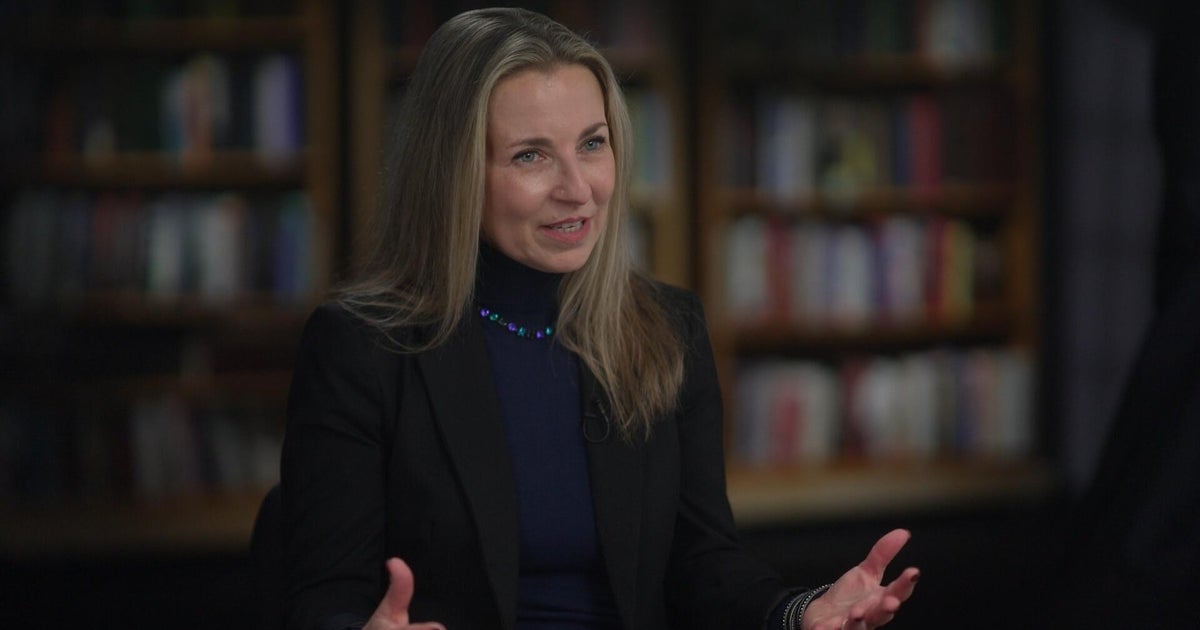
Vardit Ravitsky, leader of the Hastings Center focused on bioethics, points out that while the idea of preserving fertility is appealing, it can send misleading signals to women.
Ravitsky expresses concern over young women believing they have halted time on their biological clock, with the mistaken notion that they have put motherhood on hold. The reality, she highlights, is that freezing eggs doesn't assure future parenthood.
Evelyn Gosnell's experience illustrates the uncertainty. Despite harvesting a substantial quantity of eggs and feeling assured, her journey didn’t proceed as planned, emphasizing the unpredictability even with a seemingly large egg bank.
In Gosnell's case, only a fraction of her eggs survived the thawing process, and ultimately, none resulted in a viable embryo, highlighting that each step from freezing to fertilization carries significant uncertainty.
With rare but significant risks like storage tank failures, experts like Dr. Lucky Sekhon at RMA of New York, emphasize that each stage—from thawing to implantation—has natural attrition, and like an inverted pyramid, fewer eggs reach full term.
Financial and Ethical Considerations
The financial burden of egg freezing is considerable, costing thousands per cycle and additional storage and fertilization fees, resulting in a gamble both financially and biologically.
While a growing number of large companies cover these costs, the benefit is often not widespread, leaving a socio-economic disparity where predominantly affluent women can afford the procedure.
Additionally, the motivation behind companies offering these benefits is scrutinized, suggesting that it may not genuinely support women's reproductive choices but rather keep them longer in the workforce.
The fertility industry continues to see investment from venture capitalists, stabilizing its growth but raising concerns about the motivations, especially within profit-driven models.
Rethinking Timing and Support
Ravitsky suggests that societal pressures for women to prioritize careers over earlier motherhood are part of the problem, pressing for structural changes that support young mothers during their careers.
Legislative measures to offer paid leave, flexible working hours, and workplace childcare could alleviate the pressure on women to delay childbirth.
In the face of these challenges, some women still proceed with egg freezing, aware of its limitations but believing it is their best option under the circumstances.
Despite setbacks, individuals like Gosnell eventually find success through repeated trials, reinforcing both the potential and unpredictability of fertility treatments.
Renowned journalist Lesley Stahl, a veteran with '60 Minutes,' has been shedding light on such stories since the early 1990s, providing insights into the human and societal elements of issues like egg freezing.
Leave a Reply