


Vatican Prepares for Papal Selection with Chimney Installation
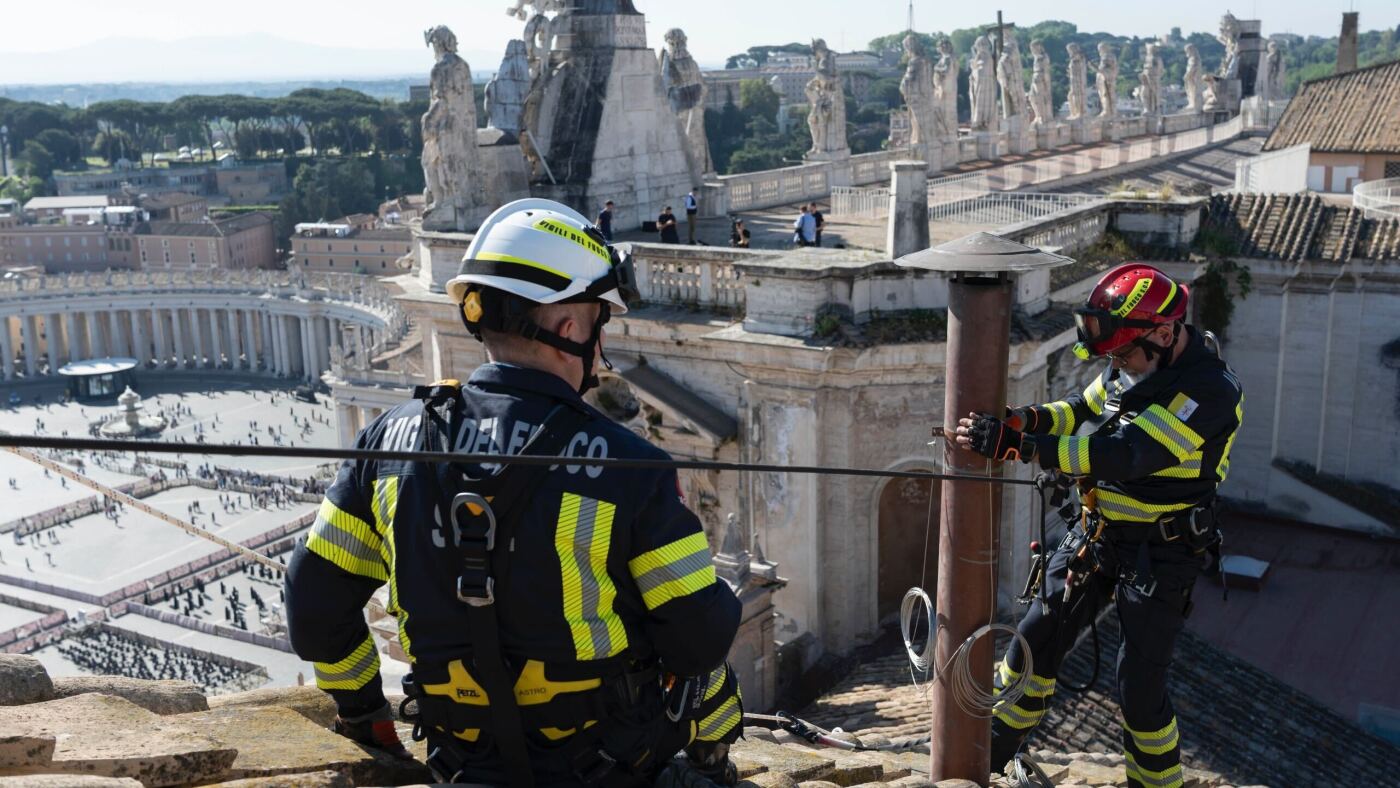
At the heart of Rome, Italy, atop a historic Vatican structure, workers have finished setting up a chimney. This installation plays a crucial role in informing the people about the progress of electing a new head of the Roman Catholic Church.
Positioned above the Sistine Chapel since Friday, the chimney is ready for the imminent papal selection process. It symbolizes a tradition that will inform the world of the successor to Pope Francis.
The Conclave: A Tradition Shrouded in Secrecy
Next month, esteemed members of the Catholic Church, known as cardinals, will convene on May 7th. This assembly, referred to as a conclave, is tasked with selecting the next spiritual leader for the approximately 1.4 billion Catholics worldwide.
Throughout this confidential meeting, the newly erected chimney will serve as the sole means of communication regarding the ongoing process. When the cardinals gather behind closed doors, all verbal communication ceases, as noted by Bry Jensen, host of the Pontifacts podcast. Only the smoke will provide updates.
Voting and Smoke Signals
Inside the Sistine Chapel, cardinals engage in a delicate decision-making process, requiring a two-thirds majority to appoint the new pope. Each voting session concludes with the burning of ballots in a specialized stove, utilizing chemicals to color the smoke. A rise of black smoke indicates a deadlock, necessitating further discussion and another vote, while white smoke announces the successful election of the new pontiff to those waiting outside.
It is common for the Sistine Chapel to emit black smoke several times before white smoke emerges, signaling a final decision. According to Kurt Martens, a professor of canon law, an initial vote on the first evening simply sets the stage, with subsequent votes occurring in pairs each morning and afternoon until consensus is met.
Historical Context of the Conclave
Examining past occurrences, Bry Jensen notes that no conclave conducted since the 20th century has extended beyond four days. Recently, in 2013, Pope Francis was chosen at the closure of the second day, demonstrating the conclave's efficacy in reaching swift conclusions.
Leave a Reply