


PBS Leadership Reacts to Unprecedented Funding Cuts by Trump Administration
The CEO of PBS, Paula Kerger, expressed on Sunday that the situation surrounding recent federal funding cuts is unlike anything the organization has faced before. Following President Trump's directive to eliminate federal support for both PBS and NPR, Kerger highlighted the severity of this decision.
"This scenario has brought forth unique challenges," Kerger remarked. She pointed out that these actions represent one of several strategies aimed at disrupting public broadcasting.
The executive order issued by President Trump mandates the private nonprofit responsible for managing funds for public media to halt federal financing for PBS and NPR. The order reflects the administration's stance that federal monies should not go towards what they consider biased news outlets.
Kerger emphasized that the administration's attempts to undermine PBS are multifaceted, including efforts to retract financing that has already been allocated, and to scrutinize corporate sponsorships through the Federal Communications Commission. These efforts represent a comprehensive attempt to weaken public broadcasting.
Kerger assured that PBS will actively resist these changes as they pose a threat to the survival of public television and radio networks nationwide.
Noting the financial implications, Kerger stated that PBS derives about 15% of its budget from government funds. However, smaller stations may depend on these funds for as much as 40% to 50% of their budget. For these stations, she explained, the loss of federal support could jeopardize their existence.
Kerger also highlighted anticipated negative impacts on funding from the Department of Education, which has traditionally backed children's programming and related educational initiatives. The original intent of shows like Sesame Street and others was to equip children lacking early educational resources with essential skills before starting school.
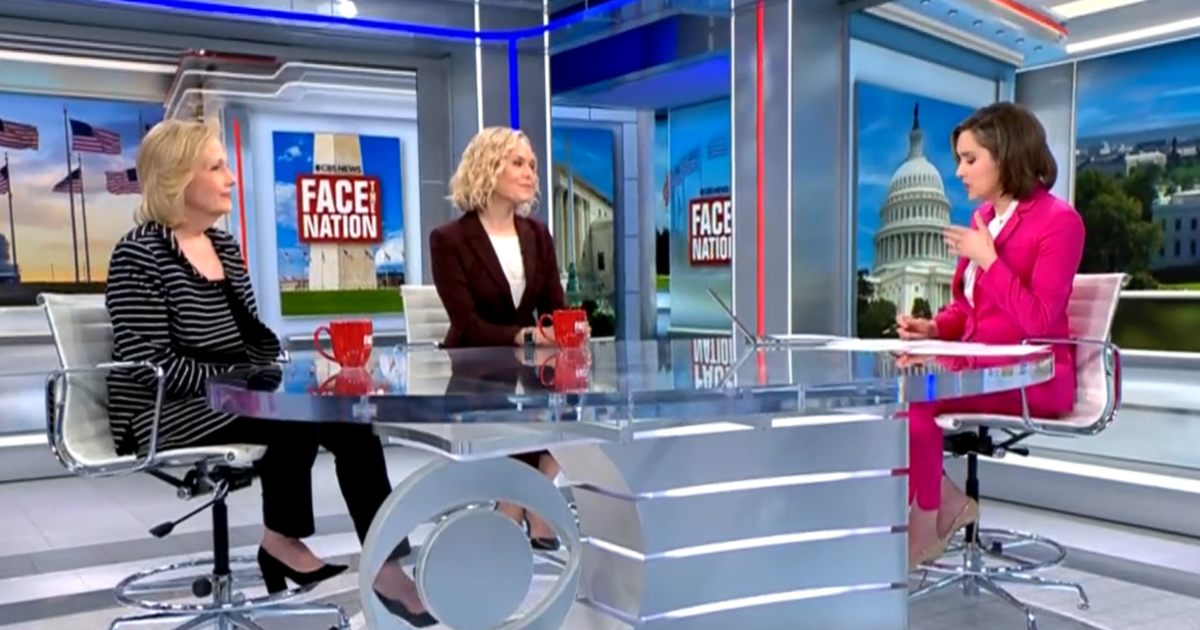
Katherine Maher, CEO of NPR, speaking on "Face the Nation," acknowledged the exploration of various strategies to contest the executive order. She also pointed out the immediate challenges for local stations, as well as potential complications related to the recall of allocated funds or membership contributions.
Maher cautioned that such measures could severely affect stations, particularly in rural areas, given the existence of 246 NPR stations which often serve as the sole local news source for many communities.
The executive order asserts that taxpayer money should ensure balanced, accurate, and unbiased media, arguing that federal funding for news media is a relic that potentially compromises journalistic neutrality. It also criticizes PBS and NPR for failing to provide an impartial depiction of current affairs.
Rebutting these claims, Maher stressed that NPR has a longstanding tradition of rigorous, non-partisan reporting across national and international news landscapes. She affirmed NPR's dedication to public service broadcasting, a mission distinct from commercial media outlets.
Leave a Reply