


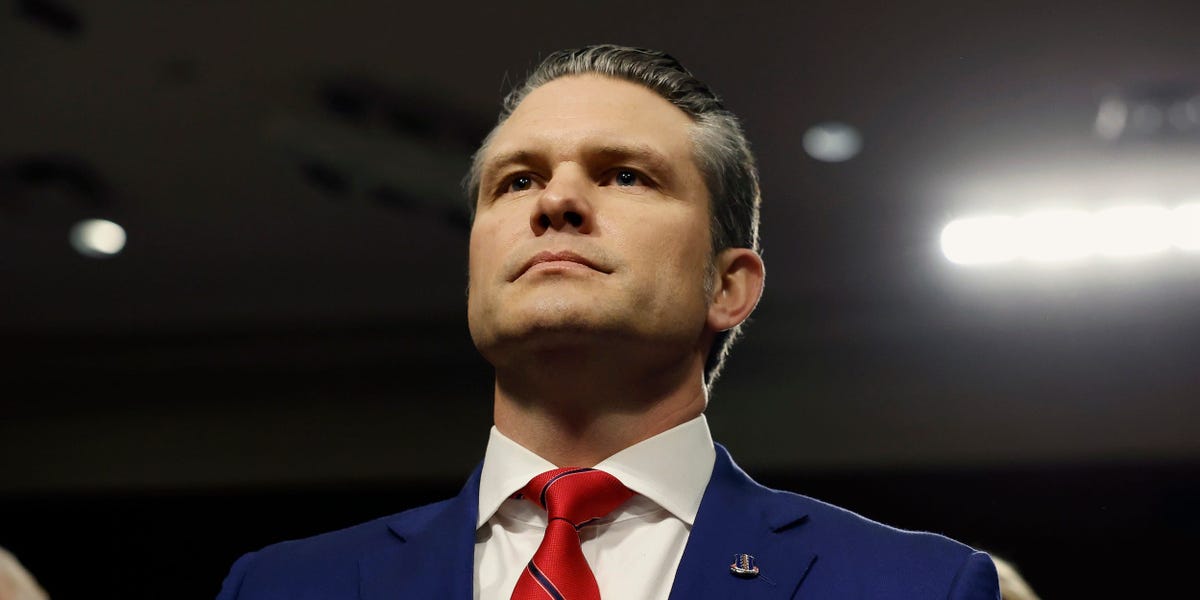
Pentagon's New Directive Alarms Servicewomen
Recent changes within the Pentagon have heightened concerns among female military personnel. A fresh directive signals further alterations, contributing to mounting unease.
Since Pete Hegseth's tenure as Secretary of Defense commenced, notable female leaders have been removed, historical records of female service have vanished, and initiatives aimed at women's leadership, along with a women-focused advisory committee, have been dismantled.
Recently, Hegseth approved a memorandum mandating an evaluation of equal opportunity frameworks and the methodologies for reporting and probing harassment claims. He calls this initiative the 'no more walking on eggshells' approach, aiming for swifter, more unbiased investigations.
According to Hegseth, grievances within the department often lack substantiation, ending careers unjustly. However, some women in the armed forces express concern that these modifications may negate progress in handling issues like bullying, sexual misconduct, racial discrimination, and online harassment.
Kate Germano, a retired Marine Corps officer and author, voices that those lowest in hierarchy, particularly women and minorities, risk suffering the most from these changes.
Fears of Program Erosion
The document entitled 'Restoring Good Order and Discipline Through Balanced Accountability' mandates discarding complaints lacking 'actionable, credible evidence,' which, according to legal expert Rachel VanLandingham, could invalidate discreet or anonymous allegations.
Modifications to defense policies might disproportionately affect lower-ranked personnel, who historically file more bias and gender-based grievances.
Equal Opportunity (EO) programs exist to safeguard individuals' rights to employment, development, and program access irrespective of race, ethnicity, religion, disability, gender, or other factors.
While Hegseth underscores the importance of these programs, he also highlights misuse by individuals retaliating against superiors or peers, without providing data on the prevalence of false accusations.
Hegseth, having faced unfounded sexual misconduct charges himself, settled a related dispute in 2020 and claims full exoneration after extensive investigation.
Impact and Repercussions
Critics argue that current EO protocols can facilitate character defamation among disgruntled members. Despite acknowledging room for improvement, VanLandingham criticizes the new memo for potentially dismantling the system.
Active duty personnel file fewer complaints compared to civilian counterparts, possibly due to fear of backlash. False reporting is already a punishable offense under military law.
This new directive might deter harassment victims from speaking out, possibly leading them to withdraw for fear of recrimination or isolation.
A veteran, anonymously seeking federal employment, shared her reservations about filing new complaints, describing them as potential career-ending risks.
Active service members echo these sentiments, perceiving the new policies as an affront to their efforts and experiences.
Unresolved Concerns
Germano raises the key issue of determining 'credible information' and fairness, noting the already complex nature of military-led investigations, often handled by individuals without thorough investigative expertise.
Concerns linger about inherent biases possibly skewing outcomes favorably for those perceived positively by the command hierarchy.
There are questions regarding what constitutes credible evidence, particularly in cases of private harassment. The Pentagon stands by its statement that EO programs should enhance equity and accountability, ensuring efficacy and alignment with defense objectives.
Protect Our Defenders, an advocacy group, condemns the new guidance as intimidating to potential reporters of misconduct, suggesting the memo undermines legal protections intended to support survivors.
Leave a Reply