


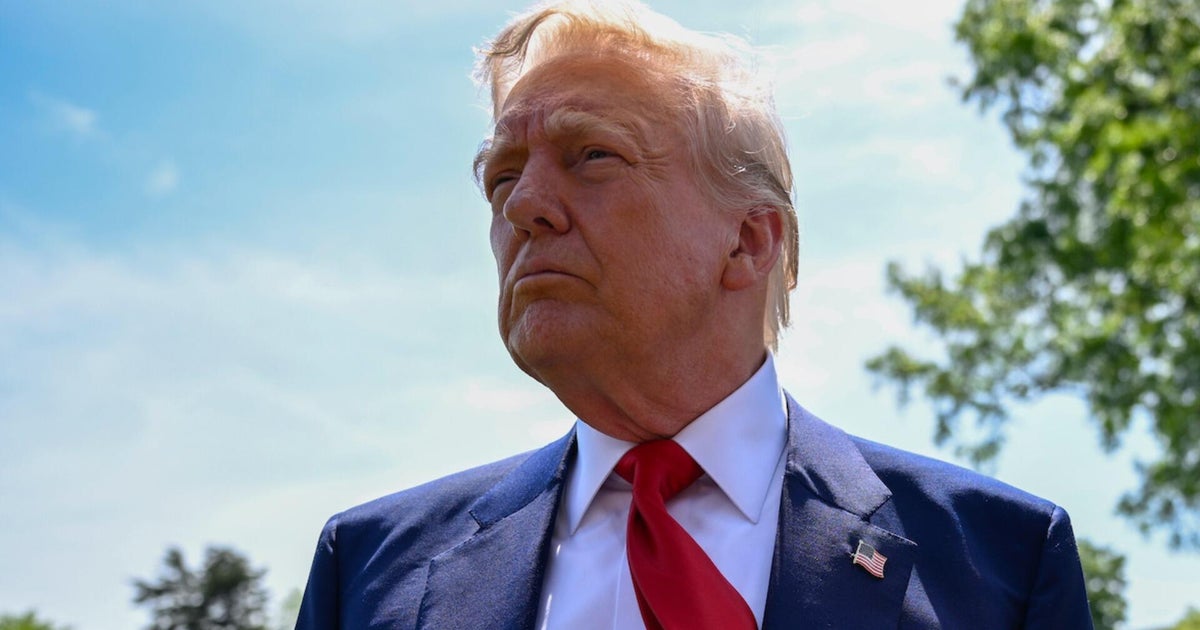
Trump's Budget Plan: Reduced Discretionary Spending, Increased Defense Expenditure
President Trump has put forward a budget plan that incorporates a significant reduction in non-defense discretionary expenditure for the upcoming year, while simultaneously boosting defense funding. This information was disclosed by a key figure from the Office of Management and Budget as well as statements from the White House.
For fiscal year 2026, the president's budget aims to decrease non-defense discretionary spending by $163 billion relative to current levels, while defense spending is projected to exceed $1 trillion for the first time. This proposal, aligned with initiatives by the administration and Republicans to retract previously sanctioned federal funding, highlights cuts that the White House is promoting under the directive known as DOGE.
An official from the Office of Management and Budget described these efforts as historically significant, targeting long-standing bureaucratic structures that are perceived to counteract public interests. This sentiment was shared during a conference call, where anonymity was maintained by the source.
The total discretionary spending under this proposal would be set at $1.7 trillion, reflecting a reduction from the present $1.83 trillion. Notably, the defense budget would see a 13% hike. The proposed budget would stand as the most minimal for non-defense discretionary funds since 2017, or when adjusted for inflation, since 2000.
Although the White House has not yet disclosed anticipated deficit figures or revenue projections, the Republican-controlled Congress is tasked with the formation and passage of the budget.
While many agencies are poised for around 35% cuts on average, departments like Homeland Security may receive increased funding. Conversely, significant reductions are anticipated for the State Department and the Department of Health and Human Services.
A substantial decrease in foreign aid is also part of the proposal, although it maintains allocations for specific strategic needs that align with U.S. interests.
Despite reductions in other areas, expenditure for Social Security, Medicare, and Medicaid continues to be a major contributor to the federal deficit and national debt, expanding their share of federal spending.
According to senior officials in the administration, the president has played an extensive role in formulating the budget proposal.
One official emphasized the president's deep involvement across the budget's development, which builds on preceding budgets while addressing what are perceived as fiscal challenges introduced by the Biden administration. The integration of insights derived from DOGE has been crucial in articulating this proposal.
Leave a Reply