


The Bold Experiment to Enhance Snakebite Antivenom
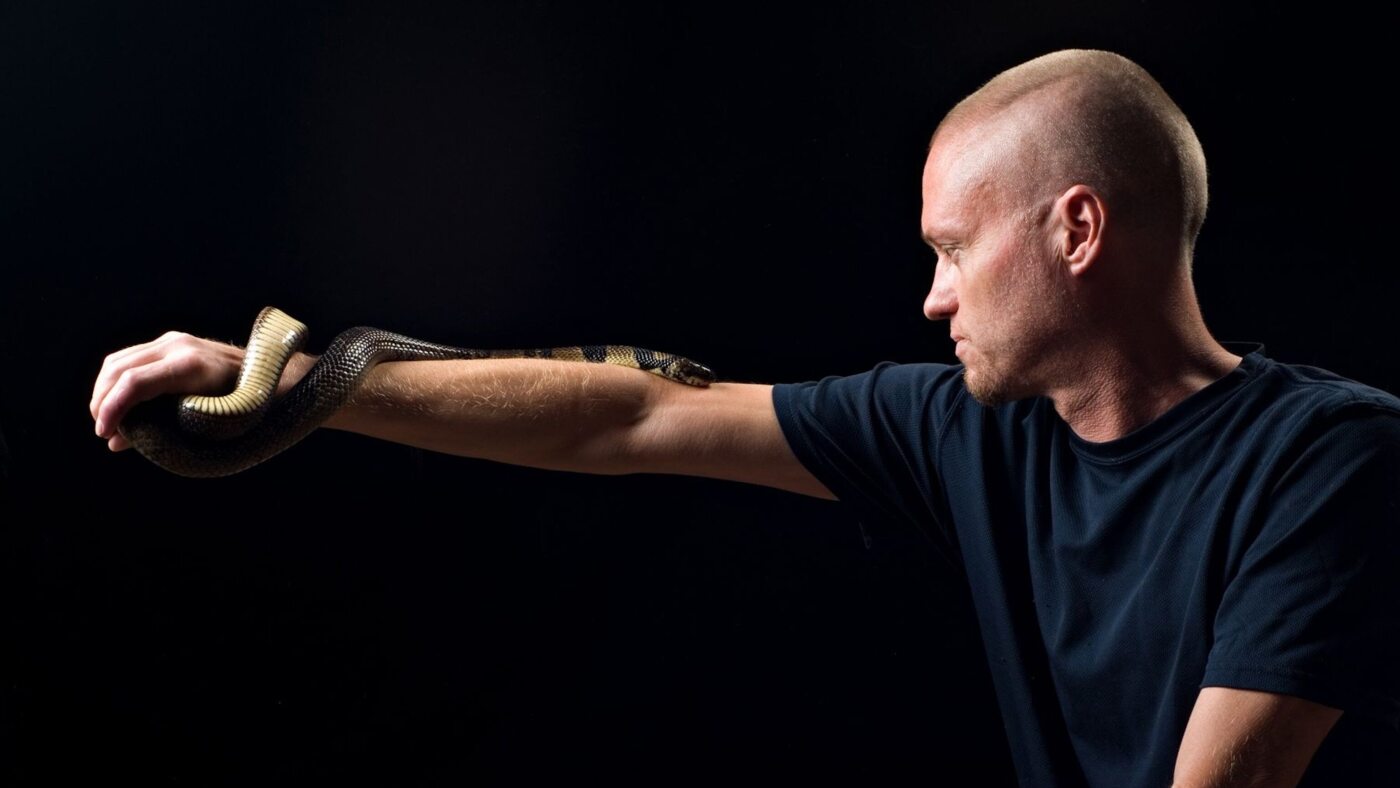
In the world of snakebite research, Tim Friede stands as an unconventional pioneer. Pictured alongside a water cobra, Friede has dedicated years allowing himself to be injected with snake venom. This daring endeavor has finally led scientists to create a potent antivenom using antibodies from his blood.
A Risky Journey Begins
In 2001, after preparing himself for years, Friede took a significant step by voluntarily letting a snake bite him. Starting with cobras due to their dangerous nature and availability, he embraced his first venomous encounters.
"The initial bites were incredibly intense," Friede recalls. "Imagine a bee sting but magnified a thousand times, accompanied by overwhelming anxiety."
From a young age, Friede's fascination with snakes grew considerably. As a child, he enjoyed catching garter snakes in Wisconsin, but as an adult, his interest pivoted toward the perilous challenge posed by venomous species.
Driven by a commitment to raise awareness about the dangers of snakebites, Friede embarked on a mission of self-exposure. Yet, the path was fraught with challenges. "Right from the start, the consequences were severe," he notes, recounting a harrowing ICU stint and a four-day coma following cobra bites.
Despite these trials, Friede persevered. Over time, he encountered a wide variety of venomous species, including black mambas, taipans, and kraits, reporting up to 200 deliberate bites. His perception of these creatures is straightforward: "Their intent is lethal, and my aim is survival," he states.
Antibody Innovation: A New Frontier
Friede's evolving goal became seeking immunity to various snake venoms, a venture that eventually led to the creation of a comprehensive antivenom. His unique antibodies, formed over more than two decades, provided a critical foundation for researchers.
Globally, venomous snakebites result in tens of thousands of deaths annually and leave hundreds of thousands permanently disabled. According to WHO, these injuries can be catastrophic, ranging from amputations to extensive surgery requirements.
The burden of snakebites is notably severe in tropical regions and low-income countries, where diverse venomous species are prevalent, such as those in Papua New Guinea, whose neurotoxic venoms cause dangerous paralysis.
Some venomous toxins, affecting blood coagulation, can lead to serious conditions like strokes or heart attacks. Others inflict severe pain or deceptively cause no pain, making broad-spectrum antivenom development particularly challenging.
Innovative Paths to a Universal Antivenom
Traditionally, antivenoms derive from antibodies harvested from animals like horses. However, Jake Glanville, the CEO of Centivax, sought a novel approach—drawing on insights from flu vaccine research to develop a universal antivenom targeting multiple snake species.
Glanville's strategy capitalized on Friede's extensive venom exposure, extracting human antibodies capable of neutralizing toxins present across a variety of snake species.
Upon discovering Friede, Glanville realized: "This is the person whose blood we need to study," and Friede agreed to contribute. Glanville's analysis isolated an ultra-broad antibody capable of countering the neurotoxic effects of several snakes, achieving significant protection in test subjects.
Towards Comprehensive Snakebite Treatment
Researchers combined the identified antibodies with other elements, such as varespladib, enhancing the protective capabilities against various snake species.
Friede's participation led to a groundbreaking antivenom that provides all-encompassing protection against numerous snake types, extending partial safety against others. This achievement sets a precedent in the field of synthetic antibody application.
Looking Ahead: Challenges and Opportunities
Though promising, the path to a universally applicable antivenom remains fraught with hurdles, including the complexity of human clinical trials and expanding coverage to viper species, which constitute a significant portion of dangerous snakes.
The next phase involves testing the antivenom cocktail in various models, including dogs bitten by venomous snakes in Australia, while seeking philanthropic support to ensure global affordability and access.
For Friede, the success of this venture represents a personal triumph and a contribution to science and humanity. Although he abstains from further snakebites, on Glanville's advice, the process has been transformative, offering him peace of mind and a profound sense of achievement.
Leave a Reply