


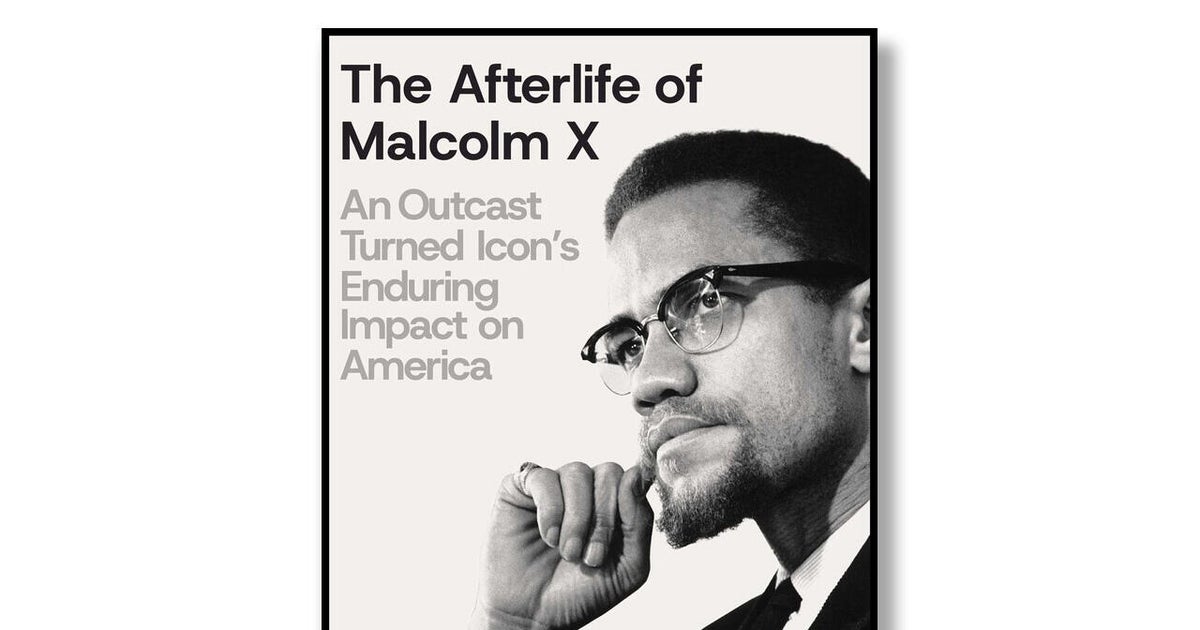
"The Afterlife of Malcolm X" – A Closer Look
In the forthcoming book by journalist Mark Whitaker, which Simon & Schuster will release on May 13, the narrative explores the enduring influence of Malcolm X. The work covers how this dynamic leader's bold discussions on Black identity and civil rights continue to resonate in cultural memory long after his passing.
Of particular interest is a chapter dedicated to examining the creative decisions made by Spike Lee as director and Denzel Washington as the lead actor in their iconic 1992 film, 'Malcolm X.' This movie vividly chronicles the life of Malcolm Little, charting his journey from a street hustler in Boston to a prominent figure in the national civil rights movement.
Chapter 11: Filming the Story
Production on the movie kicked off in mid-September 1991 on a street in Williamsburg, Brooklyn, which was transformed into Dudley Square, evoking the atmosphere of Roxbury in Boston where Malcolm's early street life unfolded. Despite budget negotiations with Warner Brothers, Lee was committed to creating an epic cinematic experience from the outset.
An estimated one million dollars was allocated to set up the film's opening scene to capture the essence of 1940s Roxbury. Creating a historical backdrop, authentic subway cars were featured, and period-appropriate costumes were donned by both actors and extras. The vastness and vitality of the setting were meticulously captured in the film's early scenes, illustrating moments like Malcolm's hair being styled for the first time, and their subsequent appearance in flamboyant zoot suits.
Over a swift three-month period, Lee's team shot various scenes that encapsulated the 39-year span of Malcolm's life, all in and around New York City. Upstate New York served as a stand-in for his birth home in Omaha during the Ku Klux Klan attacks, and other parts of New York replicated key moments in his life, from his criminal activities to his transformation in prison.
The production also featured cameo appearances by figures who had personal connections with Malcolm. Activists like Bobby Seale and Al Sharpton took on roles as Harlem street orators, while William Kunstler, who legally represented the men wrongfully implicated in Malcolm’s assassination, played a judge in the film.
As the movie's climax approached, filming became more intense. Initially, Lee aspired to capture the assassination scene inside the original Audubon Ballroom but faced logistical and environmental hurdles. Consequently, Lee recreated the interior elsewhere and only the exterior of the original site was used.
Lee aimed to draw audiences into a profound psychological state, reflecting Malcolm's own foreboding sense of his impending death. Utilizing visual storytelling techniques, he combined dialogue, music, and inventive camerawork to encapsulate this tension, reminiscent of cinematic strategies from classics like 'The Godfather.'
Noteworthy is Lee's use of a 'double dolly shot,' creating a surreal sensation as Malcolm approaches his fate. Denzel Washington expertly channels Malcolm's calm acceptance of his destiny, adding emotional depth to this portrayal of Malcolm's final moments.
Leave a Reply