


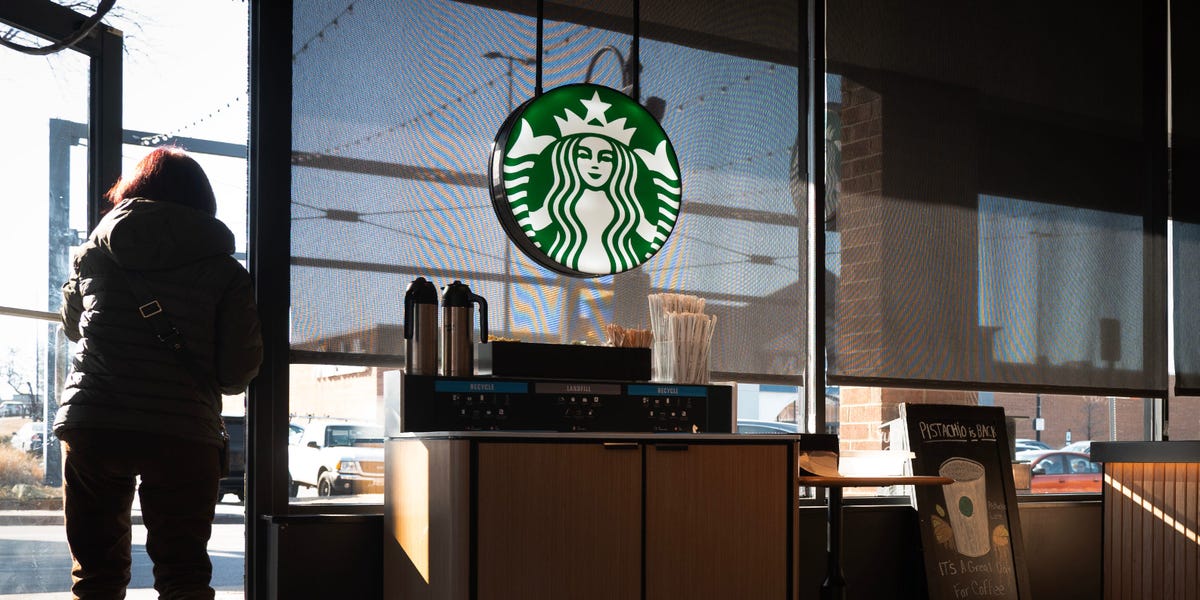
Starbucks Adopts a Rigorous Budgeting Approach That Has Other Workers Brewing Their Own Coffee
In its bid for a financial revitalization, Starbucks is set to implement a stringent method of cost reduction known as zero-based budgeting (ZBB).
This approach requires management to substantiate every dollar spent each fiscal year, breaking away from the traditional model of using the prior year's budget as a guideline.
The executives at Starbucks believe that ZBB will uncover financial efficiencies necessary to fund initiatives such as their 'Back to Starbucks' plan, which aims to allocate more working hours to staff in their cafes.
"We're committed to finding pathways for growth while rigorously examining expenses through zero-based budgeting to identify potential reductions," mentioned CEO Brian Niccol in a recent earnings call.
Cathy Smith, the newly appointed CFO, also expressed enthusiasm for this method, saying, "Employing tools like zero-based budgeting is key to eliminating extraneous costs."
However, Starbucks remains tight-lipped about specific implementation details regarding their budgeting strategy.
Historical Context and Corporate Adoption
Zero-based budgeting garnered attention in the 1970s, partially due to former President Jimmy Carter's unsuccessful attempt to introduce it at a federal level.
Today, several large corporations such as 3G Capital's AB InBev and Kraft Heinz have embraced this strategy.
The method, which includes cost-saving measures like mandating economy class travel for executives over long journeys, succeeded in lowering expenditures and boosting profit margins.
Nonetheless, Business Insider reported in 2021 that such drastic cuts sometimes hampered work efficiency. An ex-Kraft Heinz employee cited they were limited to a meager $5 annually for office supplies and needed personal coffee pods, despite the brand's association with Maxwell House coffee.
Overall, Kraft Heinz insiders noted that these restrictions slowed innovation, making market competition more challenging.
Use of ZBB at Strategic Junctures
The zero-based budgeting methodology is often used during pivotal times for a company. For example, after Elon Musk acquired Twitter in 2022, managers were reportedly required to switch to this budgeting practice.
In a similar vein, General Motors adopted ZBB in 2020 to manage pandemic-driven disruptions by reducing costs through advertising cuts and employee furloughs, as explained by then-CFO Dhivya Suryadevara.
Leave a Reply