


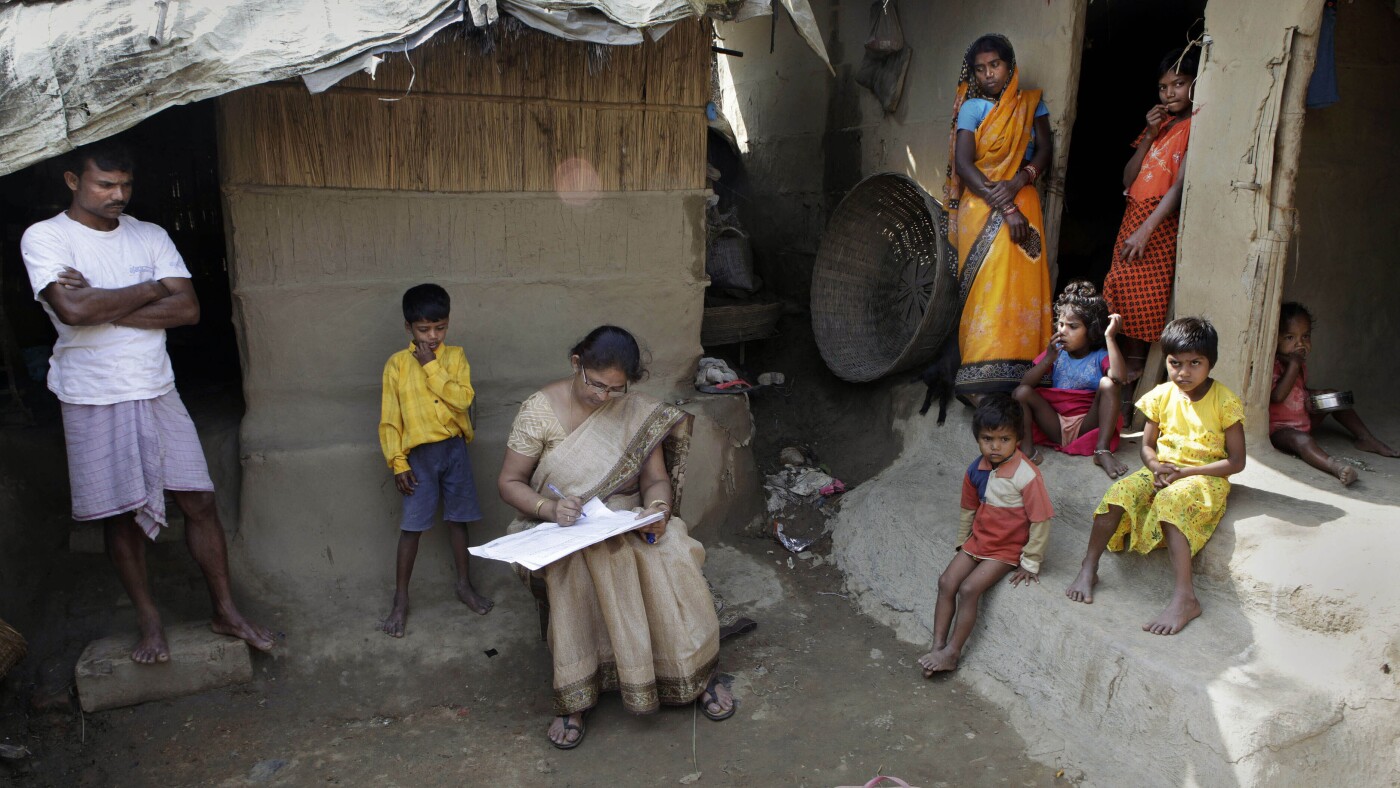
India's Next Census to Feature Caste Information
In an announcement with potential widespread effects on its socio-political landscape, India has decided to include detailed caste data in its upcoming national census.
Information Minister Ashwini Vaishnaw did not specify an exact date for the commencement of the census, which for the first time will gather caste-related data. This decision reflects a dedication to aligning with societal and national priorities, according to Vaishnaw.
With the introduction of caste demographics in the census, discussions may arise around increasing the current 50% limit on quotas for government positions, education admissions, and electoral posts, particularly those segments reserved for India's Other Backward Classes (OBC), which currently benefit from a 27% allocation.
Caste classifications in India draw on an age-old framework of societal strata, deeply influencing life and politics. Despite the existence of numerous occupations and economically based caste groups, updated statistics are scarce.
Past inquiries into precise caste numbers have been avoided by Indian administrations due to potential societal friction, despite arguments that thorough data collection is crucial for the effective deployment of social equality initiatives.
Originating under British governance in 1872, censuses numbered castes until 1931. Since 1951, independent India has limited its caste listings to Scheduled Castes and Tribes, placing all others under a general category.
The forthcoming census, United Nations deferred from 2021 due to pandemic-related setbacks, will follow the 2011 count that charted 1.21 billion Indians, including 201 million from Scheduled Castes and 104 million from Scheduled Tribes.
In recent data, India overtakes China as the world's most populous nation with 1.425 billion residents, as per the U.N.'s economic statistics.
This census decision arrives as India preps for a significant electoral vote in Bihar, a state where caste heavily influences political dynamics. At present, Modi's party is in a coalition governance there.
Though traditionally opposed by the BJP to circumvent societal divides, the party now faces pressure from both its partners and opposition to include caste enumeration, with Rahul Gandhi of the Congress Party acknowledging their influence.
In Bihar and Karnataka, prior caste surveys have led to proposals for expanding quotas, as they reflected an increased number of backward castes. Andhra Pradesh and Telangana are also planning such surveys.
Vaishnaw notes that compiling caste information nationwide will enhance transparency, despite some opposition-led regions leveraging similar surveys politically.
The political success of multiple parties, including the ruling BJP, hinges on alliances among caste groups, notably those categorized as OBC.
Amit Shah, a key political figure, hailed this development as transformational for socio-economically disadvantaged groups, asserting that it represents a significant empowerment step.
Leave a Reply