


Illinois Landlord Receives 53-Year Sentence for Attack on Muslim Family
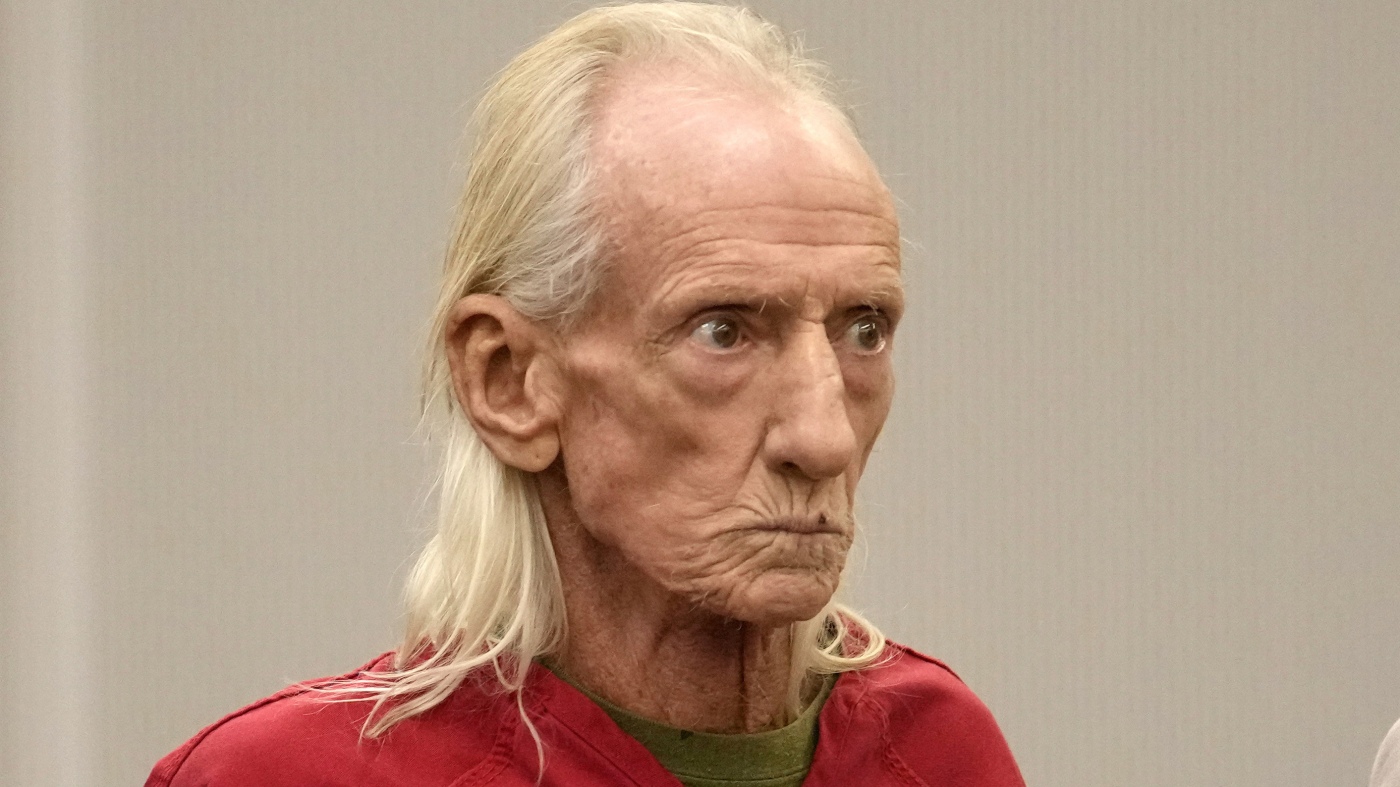
In Joliet, Illinois, a landlord named Joseph Czuba has been handed a 53-year prison sentence for a heinous crime. He killed a young Muslim boy, aged six, and inflicted severe injuries on the child's mother.
The Crime and Its Aftermath
Czuba, who is 73 years old, was convicted of a series of charges, including murder, attempted murder, and hate crimes, in relation to the tragic events that left Wadee Alfayoumi dead and his mother, Hanan Shaheen, gravely injured.
The judge presiding over the case, Judge Amy Bertani-Tomczak, issued a sentence that included 30 years for the murder of the child. Additionally, she imposed a 20-year consecutive term for the attack on Shaheen, plus three years for hate crime violations. This lengthy sentence likely means Czuba will spend the remainder of his life in incarceration.
Reactions to the Sentencing
Ahmed Rehab, the leader of CAIR-Chicago, commented on the sentence: "While nothing can undo the loss endured, today's ruling provides a critical step towards justice. Wadee was taken from us simply because of his identity as a Muslim and Palestinian."
During the proceedings, Czuba chose not to speak, and his attorney also refrained from commenting. However, the State's Attorney, James Glasgow, labeled Czuba as a "morally reprehensible killer" whose violent actions were incomprehensible.
Family's Heartbreak and Call for Answers
The only family testimony came from Mahmoud Yousef, Wadee's great-uncle, who stressed that no length of punishment could make up for the tragedy. He lamented the aspirations the family held for the boy, which Czuba ruthlessly destroyed.
Yousef asked Czuba to share what news events or beliefs led him to assault the boy and his mother, but Czuba remained silent, according to press reports.
The Trial and Evidence
Prosecutors explained that Czuba's attack was motivated by the victims' Islamic faith and the ongoing conflict between Israel and Hamas. The courtroom saw compelling evidence, including testimony from Shaheen and visual evidence of the crime scene, which left the jury little hesitation, reaching a swift verdict.
Shaheen and her son had been living in Czuba's residence in Plainfield, a short drive from Chicago, when the assault took place. Essential to the case was Shaheen's account of the attack — she described Czuba's initial aggression towards her and his demand for them to vacate his home due to their religion.
The grisly details revealed that Czuba wielded a knife with horrific force, culminating in Wadee suffering 26 stab wounds. The crime scene's visuals were so shocking that the judge shielded them from public view, with family members present in the courtroom audience.
Impact on Community and Continued Legal Actions
This violent episode reawakened fears of anti-Muslim sentiment, resonating deeply within Plainfield's strong Palestinian community. The child's funeral service was a massive gathering, reflecting widespread mourning and calls for unity, as local officials immortalized Wadee’s memory by dedicating a playground in his honor.
Amid the legal proceedings, Shaheen recounted her recovery from over a dozen knife injuries, describing the abrupt shift in Czuba's demeanor following the outbreak of the geographical conflict. She stated that their previously peaceful living arrangement was shattered by Czuba's chilling insistence on her need to depart because of her faith. His attack was filled with disturbing ferocity, aiming to stifle her cries for help and severely harm her physically.
Broader Legal and Social Implications
The incident has prompted further legal actions, including a lawsuit filed by the boy's father, Odai Alfayoumi, who was separated from Shaheen at the time. Moreover, the U.S. Department of Justice is investigating the tragedy as a federal hate crime.
Yousef expressed his bewilderment over Czuba's motivations, addressing the media post-sentencing. He pondered what conceivable misinformation about the Gaza conflict might have driven such violence. His closing message emphasized the urgency to reject hatred and conflict, urging for an understanding of Muslims, fostering peace over prejudice.
Leave a Reply