


Elon Musk Finds Support Among Legal Experts Over Minnesota's Deepfake Law Challenge
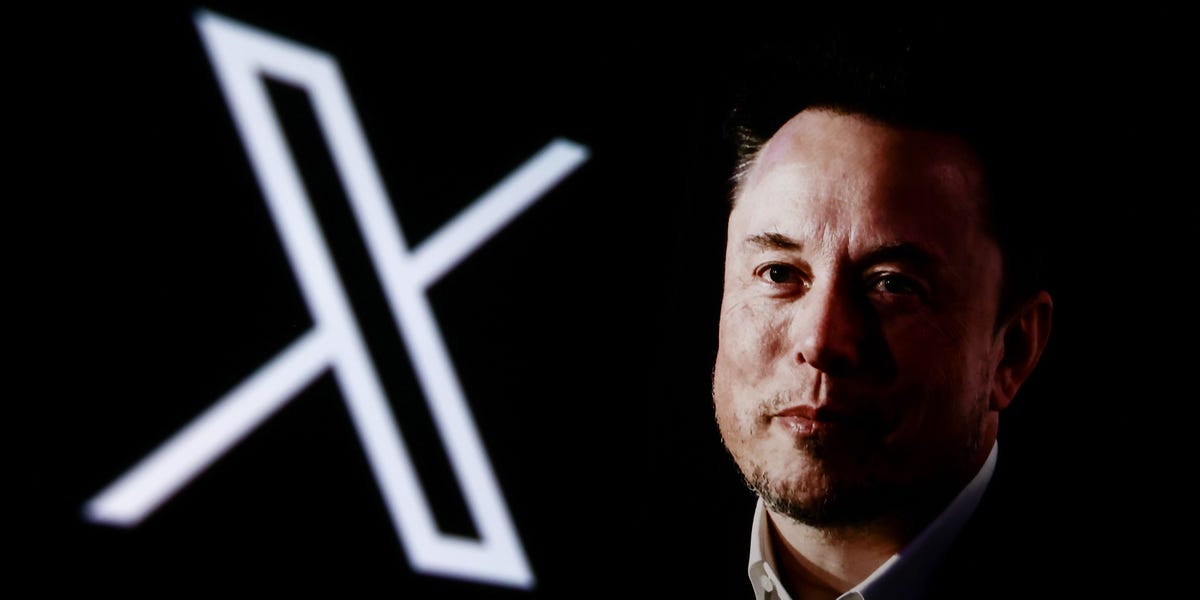
Elon Musk's platform, X, is challenging Minnesota's specific legal ban on the use of AI-crafted deepfakes intended to affect election outcomes. This legal move, according to some legal scholars, highlights significant constitutional issues within the legislation.
X Corp's lawsuit against Minnesota's Attorney General claims that the 2023 statute infringes on both X and other social media companies' First Amendment rights to free speech.
The legal action, initiated last month within a federal court in Minnesota, alleges that the state legislation conflicts with a 1996 federal law known as Section 230, which provides a shield for tech companies like X against lawsuits arising from content uploaded by users.
A Compelling Legal Argument
While I might not frequently agree with Elon Musk, the merits of this legal argument stand out as strong,” remarked Alan Rozenshtein, a legal scholar at the University of Minnesota, emphasizing the potential success of X Corp's claims.
Rozenshtein, alongside other experts, underscores that political speech enjoys the highest level of protection under the First Amendment, and that distortion of truth is largely safeguarded.
"The government lacks authority to penalize false speech merely because it is untruthful, given that the First Amendment aspires to prevent governmental bias in determining truth," explained attorney J. Kirk McGill from Hall Estill.
McGill argues a deepfake is essentially a fabrication that wrongly attributes statements or deeds to a person.
David Loy, with the First Amendment Coalition, highlights that governmental intervention in speech based on perceived truth or falsehood poses problems, echoing similar opposition to a halted California law from 2024.
The Minnesota statute criminalizes distributing a deepfake, or acting in a manner to distribute one, if it aims to harm a political candidate or sway election results shortly before the voting occurs.
X's legal filing aims to enjoin the law, arguing it propels platforms into potential legal jeopardy for maintaining content that approaches interpretive boundaries while favoring excessive censorship without penalties.
Potential Implications on Free Expression
X Corp contends such stipulations could lead to unwarranted censorship of diverse political discourse and analytical perspectives.
Illustratively, in March 2023, there was dissemination on X of AI-created images of former President Trump being detained by police, showcasing the risk of liability merely for platform display.
Eugene Volokh, a First Amendment specialist, maintains that X's lawsuit may likely result in impeding this law's application to social media firms under the protection of Section 230.
Volokh anticipates that the question of First Amendment breach might hinge on future legal challenges by individuals asserting personal rights to publish such images.
Ongoing Legal and Political Battles
A Minnesota Republican lawmaker and a digital content producer have contested the statute but faced initial legal setbacks; they're currently appealing to reverse the preliminary judicial ruling.
X Corp argues that, despite seeming benign, the law's prohibition could criminalize harmless electoral speech, including satire, while unduly burdening platforms to self-censor or face criminal charges.
A representative for Minnesota's Attorney General's office communicated their plan to assess the lawsuit thoroughly, indicating an impending formal response.
State Senator Erin Maye Quade, pivotal in drafting the law, criticized the legal challenge, deeming it unjust and describing the lawsuit as trivial and misdirected.
She argued Musk's financial influence in U.S. elections justifies his opposition to restrictions preventing election-centric deepfake dissemination, adamantly defending the law's necessity and clarity.
Leave a Reply