


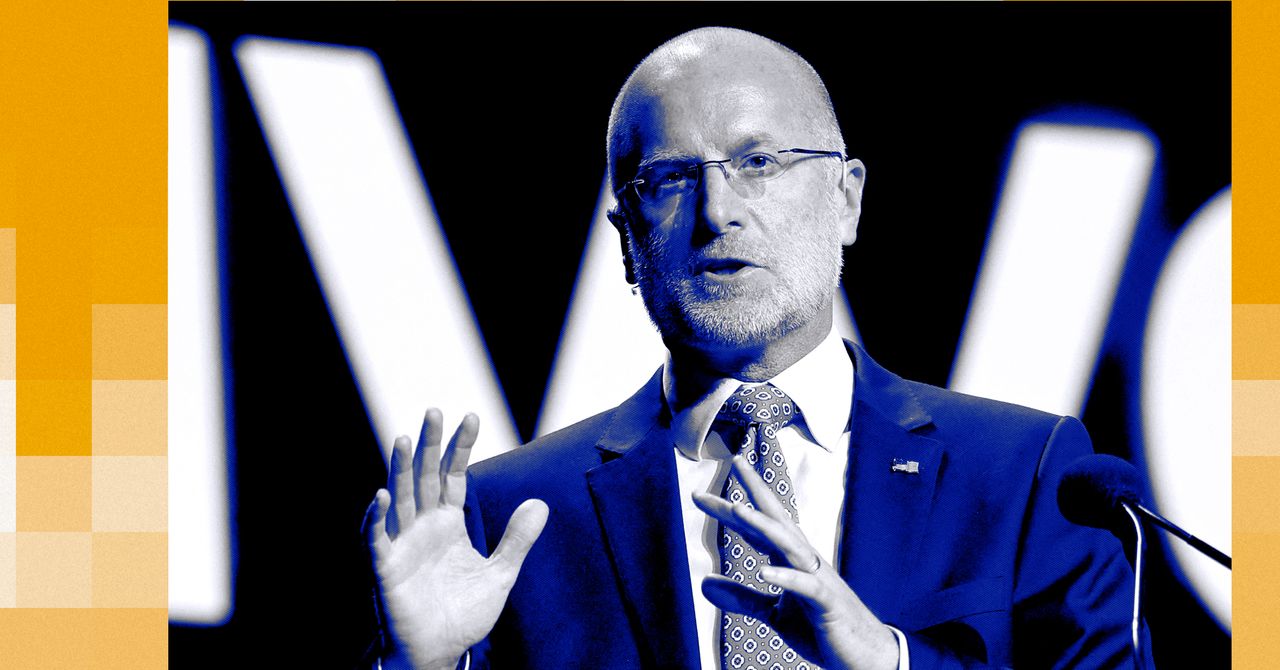
Brendan Carr's Transformation of the FCC into a MAGA Tool
In a recent series of Federal Communications Commission meetings, the discussions appeared to follow typical bureaucratic themes, including efforts to expand satellite internet and manage new licensing for spectrums. Brendan Carr, the FCC chairman appointed by Donald Trump, conducted these proceedings with a vigor that sometimes seemed more assertive than necessary. Observers could have concluded that the Commission was operating in its usual technocratic mode, unfazed by changes in leadership.
However, during the customary press briefing, Carr faced critical inquiries from journalists. They questioned his decisions to scrutinize media outlets that broadcast content unfavorable to Trump. Notably, Carr had initiated an investigation into CBS for editing an interview with Kamala Harris, causing displeasure to Trump, who had suggested revoking the network's license, condemning it alongside other networks as corrupt.
Under Trump’s previous presidency, such demands were brushed aside by Jessica Rosenworcel, the then-chair of the FCC, who refused to revoke broadcasting licenses based on political grievances. However, after Carr's appointment by Trump in January, he revitalized the inquiry that Rosenworcel had previously dismissed, sidelining Trump’s emphasis on free speech and non-interference by government officials.
Carr remarked that every option was open, including the drastic step of revoking CBS's broadcasting rights. He also suggested that NBC and other networks might face similar scrutiny. He reasoned that broadcasters have a duty to serve the public interest due to their access to public airwaves, hinting that dissatisfaction could force them to transition to podcasting.
The issue here is overtly evident: the 'public interest' seems to align too closely with what pleases Donald Trump. Although the FCC can legislate against incorrect and harmful reporting, the situations cited by Carr don't reach that level of ethical breach. Anna Gomez, the sole Democrat remaining on the FCC, indicated that such actions by Carr are methods to manipulate the press and retaliate against criticism towards the government.
It’s noteworthy that conservatives, such as Grover Norquist, are also apprehensive. In March, Norquist and his allies implored Carr to abandon the probing, fearing it might set a precedent that future FCC administrations might exploit. Despite Carr's claims of advocating for local news, these actions are reportedly causing anxiety among broadcasters who fear potential investigations of their content.
Initially, Carr was anticipated to be a standard agency leader due to his previous roles as a legal adviser and commissioner since 2017. Yet, his stance on regulation seems to have shifted, as evident in episodes when he discounted lawmakers' grievances regarding media networks post-January 6 events. He firmly believed government officials should not influence newsroom editorial choices.
But before taking the top post in January, Carr’s trajectory began veering towards radical interpretations of MAGA ideology, reflecting in participation like drafting sections of Project 2025, a document suspected to aid in undoing governmental structures.
Despite Carr's lack of clout, given that Trump's orders have diluted independent agencies like the FCC, his power remains in the potential to intimidate through persistent inspection. His inquiries, for instance, into Disney’s diversity initiatives, though not legally binding, aim to discourage actions he opposes.
Jonathan Nuechterlein, an ex-FTC general counsel, noted that Carr doesn’t need formal rulings to wield influence. Merely hinting might compel companies to comply out of caution.
The ongoing CBS evaluation illustrates this. Paramount, which owns CBS and sought a merger, found motivation in Trump's suit against them to comply—or even over-comply—to navigate FCC scrutiny favorably.
Although presidential dissatisfaction with media coverage is anticipated, utilizing regulatory authorities to suppress free speech violates democratic principles. This, as argued by a bipartisan group of former FCC officials, would transform the commission into merely an extension of White House efforts to silence dissent.
Telecom expert Tom Wheeler mentions that although an appeal was made to all former commissioners to oppose Carr’s tactics, fear of political retaliation limited significant support. It highlights a concerning silence as fundamental rights face erosion.
Leave a Reply