


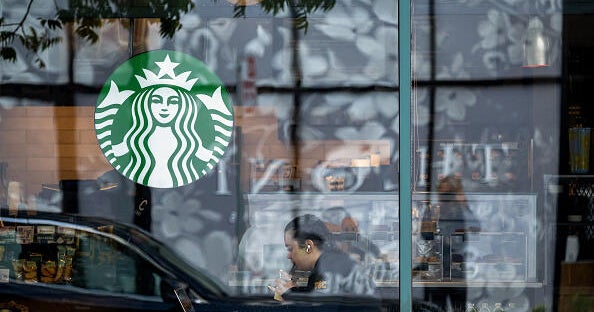
Starbucks Strategy Shift: More Baristas, Less Automation
Starbucks is reconsidering its past emphasis on technological innovation for operating its coffee establishments.
Originally, the chain introduced new tech to streamline orders for both food and beverages, especially cold items. However, this week the company surprisingly announced it will reverse course. Starbucks will scale back on automated equipment, opting instead for increased human interaction by onboarding more baristas.
Timing of the Initiative
This move comes at a precarious moment for Starbucks, which faces pressure to amplify sales and rejuvenate its image. Although still profitable, its earnings decelerated over the last year. In its latest fiscal quarter, Starbucks reported a 2% revenue increase, reaching $8.7 billion but fell slightly shy of projected expectations.
To bolster customer satisfaction, starting in May, Starbucks will roll out its 'Green Apron service model.' This initiative includes adding baristas at numerous locations and improving an order management algorithm, according to CEO Brian Niccol in a discussion with financial analysts.
The Role of Technology and Baristas
Niccol highlighted that combining solid staffing, efficient deployment, and technological advancements yields the best customer engagement, optimizing speed and service both in stores and in drive-thrus.
Initially, Starbucks launched a tech system named Siren to facilitate the preparation process for drinks and hot foods. However, Niccol has now clarified that the company will invest more in human resources rather than heavily relying on such tech.
"Turning away from sorely relying on the Siren system doesn't mean we're completely phasing it out; it's more about prioritizing our workforce currently," Niccol explained.
Enhancing Customer Experience
In 2023, Starbucks aims to recruit additional baristas across its many branches, granting staff the option of extra shifts. The brand believes that personal gestures such as writing notes on cups or providing ceramic mugs may encourage customer loyalty and extended visits.
"What we're finding is that the experience is less about fancy equipment and more about good staffing practices paired with supportive technologies," Niccol noted.
Technological Adjustments
While putting the tech-heavy Siren system on hold, Starbucks isn't abandoning technology altogether. The company is experimenting with a new arrangement algorithm that's considerably reducing wait times to under four minutes.
Understanding Barista Roles
Starbucks' baristas earn approximately $19 hourly, with additional benefits setting the overall compensation higher, averaging around $30 per hour. This comprehensive package includes health and retirement benefits, offering a more attractive deal compared to its competitors.
The chain's push towards automation was aligned with its 'Back to Starbucks' initiative aimed at drawing in more clientele. However, after previous growth spurts, Starbucks saw a 2% dip in U.S. sales, prompting the need for strategic changes.
Brian Niccol, who made significant impacts while working as CEO of Chipotle, was brought in to revamp Starbucks’ strategies, highlighting the need to improve in-store experiences while reducing wait durations to win back customers.
Leave a Reply