


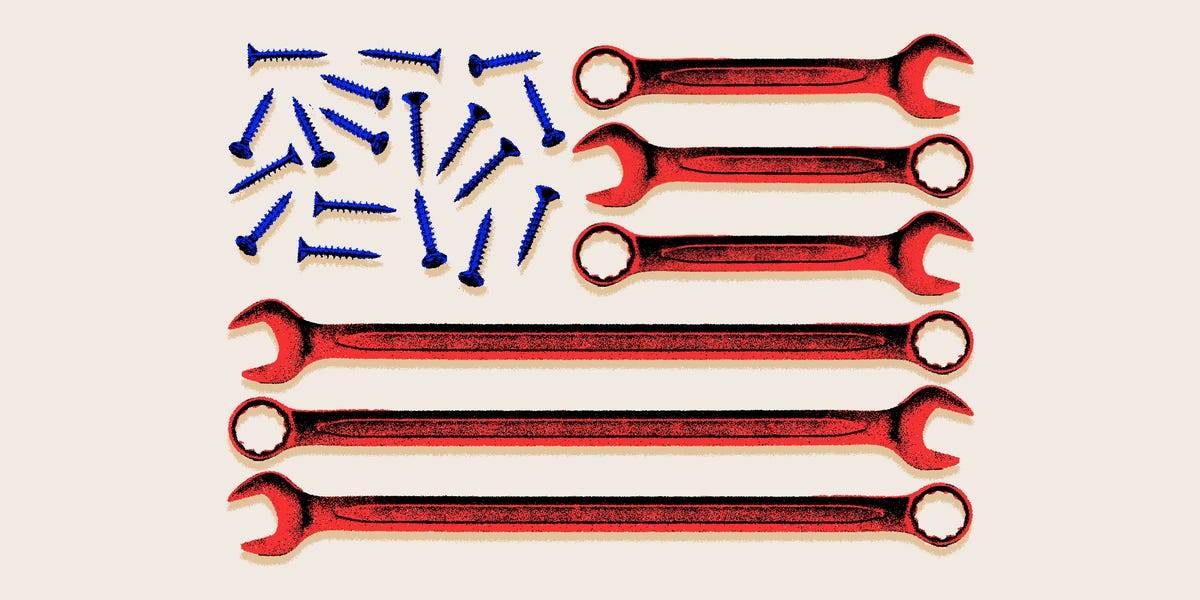
Reviving America's Repair Culture
Contemplating the future of my aging television, I realize it's about eight years old and I have little understanding of what to do if it finally fails. The remote was another casualty during the pandemic. In the likely event that my TV gives out, I know I ought to try repairing it, but realistically, that's unlikely to happen. Repair services aren't exactly around the corner these days, and let's face it, buying a new TV is enticingly inexpensive, making it hard to justify a repair attempt. Like many Americans, I've lost the knack for fixing things.
A Shift in Habits
Once upon a time, people owned fewer items and repaired what broke. The economic boom post-World War II, along with savvy advertising, led to people accumulating more and more objects. Nowadays, when our gadgets, clothes, or appliances start showing signs of wear, the instinct is to replace them. With President Trump's tariffs potentially driving up prices amidst inflation worries, this mindset may be about to change. The concept of repair may gain renewed attractiveness, though re-embracing it isn't straightforward due to shifts in technology, economy, and culture.
Nathan Proctor of the US Public Interest Research Group comments on our era of rapid consumption. "We are replacing things at an alarming rate," he noted. To sidestep potential hikes in product costs due to tariffs, Americans might need to consider picking up basic tools like duct tape or a screwdriver instead of their wallet.
Corporate America’s Influence
Why don’t we fix things? Simply put, not fixing is easier, and this is largely by design. Many businesses operate under models that encourage regular product replacement. University of Michigan law professor Aaron Perzanowski highlights this, using Apple as a key example. The challenge lies in how many devices need selling to keep shareholders pleased, making new purchases more compelling than simple fixes like battery changes or screen reparations.
Companies profit more when consumers purchase a $900 new phone than spend small amounts on repairs. Their strategies include not selling parts or making repairs technically complex through digital locks, steering customers toward new purchases with clever marketing that continually positions newness as invaluable.
Economic and Cultural Dynamics
Modern production techniques have enabled companies to offer new items at lower costs than organizing repair services. Engineers optimize for economical manufacturing, sidelining repairability. Perzanowski explains, "Repair needs a human touch, whereas creating a new product might just need an automated assembly line." Thus, repair isn’t financially viable on a grand scale.
Some firms intentionally obscure repair processes with hard-to-access parts and complex manuals. The FTC even sued John Deere over its restrictive repair methods. Kyle Wiens of iFixit, a platform promoting DIY repairs, emphasizes the need to simplify repair processes for consumers.
Cultural Shifts Toward Disposability
Our consumer culture deeply entwines with our reluctance to repair. We overlook the environmental, communal, and labor impacts of continual consumption. The allure of the newest trends often blinds us to repair possibilities. A quick rush from getting something new trumps the satisfaction of revamping the old, even if briefly.
Lauren Benton from Back Market, which trades refurbished items, urges consumers to question if new versions are truly superior. Her mission includes breaking the stigma around refurbished goods by promoting economic and environmental benefits.
Reviving Repair Knowledge
Repair skills are not just scarce but also sidelined. Many repair shops have vanished as the nature of such work has evolved. Companies direct consumers toward authorized repair services, undercutting independent repair attempts. Yet, repair knowledge remains accessible online, albeit less convenient than outright replacement.
Nirav Patel of Framework observed that learning to repair isn’t often about technical skill but confidence in tackling repairs. The goal, according to Gay Gordon-Byrne of The Repair Association, is demystifying repairs. Education in this field could prevent consumers from being disadvantaged by tech manufacturers and encourages critical assessment of technological advancements.
Economic Necessities
Trump's tariffs could naturally push people to favor repair over replacement. As costs rise and availability falls, Americans might reconsider each purchase versus repair decision. Even unwillingly, more will embrace the tinkering mindset.
Rethinking Repair Solutions
Reinstating repair practices is a complex endeavor and won't happen overnight. However, policy changes led by the right-to-repair movement show promise, striving to make product repairs more accessible and less monopolized by manufacturers. So far, several states have initiated relevant legislation.
Grassroots movements are also emerging, including repair cafés and workshops, which connect people in need of repairs with those who can assist. Educational initiatives, like New York's Materials for the Arts program, teach students repair skills to encourage career paths and sustainability.
Despite enduring cultural habits, our disposable mentality continues to challenge the re-adoption of repair. Busy lives and affordable goods make discarding more appealing and less time-consuming. The deeper question remains: how do we reestablish a culture that values longevity and repair?
Leave a Reply