


Financing and Potential Profit for Wealthy Horse Enthusiasts
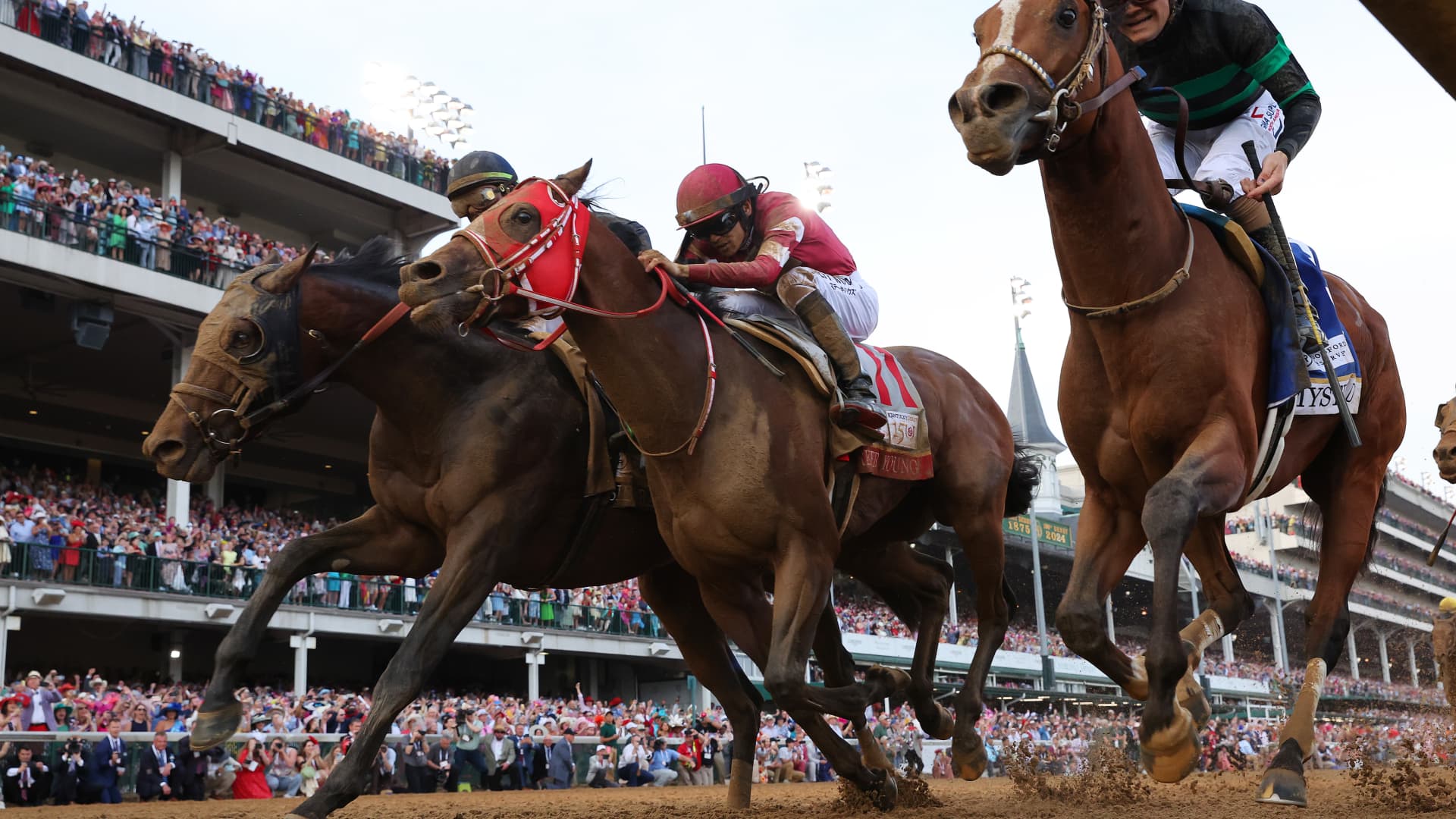
The upcoming Kentucky Derby, its 151st iteration, offers a $3.1 million prize for the champion, part of a larger $5 million purse shared among the top five contenders.
Steven Mason, who will witness the event from a prime vantage point alongside affluent clients, helms a specialized private banking practice in Nashville, Tennessee, dedicated to equine investors. His roots in Kentucky and personal investment in a horse farm for his daughters when he relocated, naturally align him with this niche.
According to Mason, horses embody a lifestyle. For his clientele, these creatures represent both investment opportunities and extensions of personal identity.
Mason warns that horses, akin to other collectibles, represent non-liquid assets with unpredictable financial returns.
He reflects that success isn't guaranteed but enjoying the journey is part of the appeal for owners."
Many of Mason's customers were raised around horses, but recent trends show an influx of entrepreneurs and former hedge fund managers entering this field, often following major financial windfalls.
Insights into High-Net-Worth Investment Strategies
Mason's clientele, adept at managing tax implications, often resort to leveraging loans for horse purchases rather than liquidating investments to avoid capital gains taxes. Yet, unlike luxury items such as jets or yachts, banks like Bank of America are hesitant to accept living animals as loan collateral due to the risk of unexpected loss.
Horse purchase financing commonly involves a private credit line secured against marketable securities, which features a variable interest rate tied to the secured overnight financing rate (SOFR) averaging around 4.35% recently, plus a bank-determined spread.
In the realm of racehorse ownership, stud fees represent a more lucrative avenue than competing for prize money. Top-tier horses might command fees exceeding $300,000 per session, though many fees are considerably lower, with horses often breeding with 30 to 40 mares annually.
The high demand for elite racehorses persists, with notable interest in young horses or yearlings driving record sales. For example, Keeneland's recent yearling sale reached $428 million, with an average horse price of $150,548, marking a 5.2% year-over-year increase.
Exceptional thoroughbreds, like those showcased at Fasig-Tipton's yearly event in November, can attract prices reaching seven figures.
While the lifespan of a racehorse might be relatively short due to the nature of their career, horses generally live between 25 and 30 years. Thoroughbred care is costly, running up to $60,000 annually. To mitigate financial burdens on heirs, Mason advises clients to establish trusts dedicated to horse care.
For Mason, working within the equestrian world not only distinguishes his practice but fosters deeper connections with clients.
"Being able to discuss their unique circumstances, whether on a farm or at an equestrian event, strengthens our bond and client loyalty," he explained.
Leave a Reply