


Trump's Claims on Egg Prices: An Analysis
In a recent discussion with ABC News, Donald Trump rejected allegations about the high egg prices, attributing the surge to his predecessor. He further claimed there has been a recent drop in egg costs.
Trump said, “Remember the uproar about egg prices? The blame was piled on me immediately. I insisted, ‘It’s not my doing. The price spike was Biden’s fault,’” Trump stated to ABC News’ Terry Moran.
Analyzing the Situation: Are Egg Prices Really Falling?
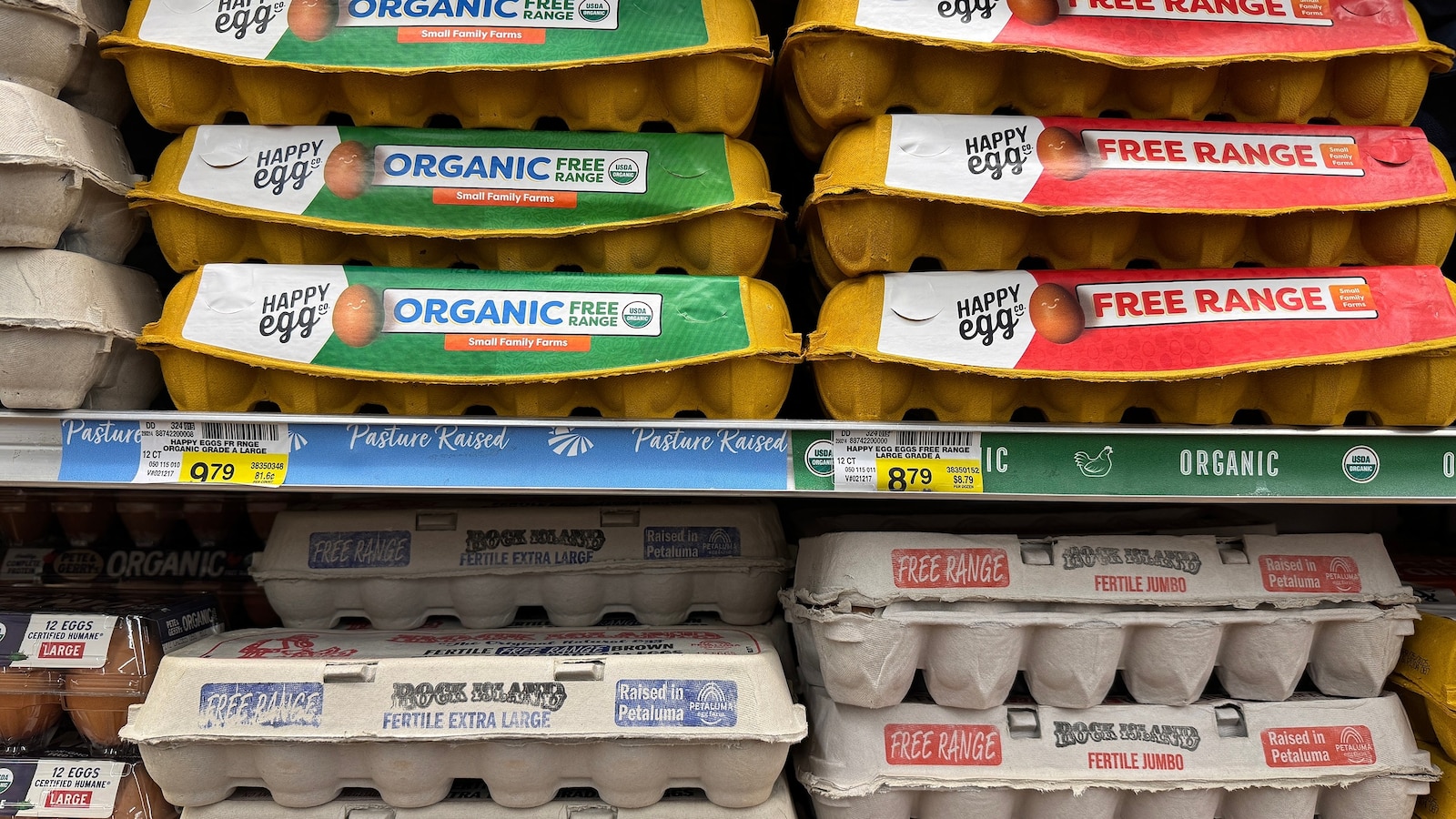
Various experts have critiqued Trump's evaluation of egg prices, noting that his assertions might be misleading. Despite his claims, retail prices for eggs—those directly affecting consumers—have risen since he took office.
In contrast, the wholesale prices—what retailers pay—dropped noticeably after Trump assumed the presidency. However, the extent of this drop was likely exaggerated by Trump during his interview.
The Complexity Behind Retail and Wholesale Prices
Economists emphasize that a fall in wholesale prices doesn't instantaneously result in lower consumer prices. David Ortega, a food economist, emphasized the significance of the retail price surge when assessing Trump's statement.
Parke Wilde from Tufts urged the public to focus on consumer prices over wholesale numbers, as these directly impact people's finances.
Experts note that pinning the blame for egg price fluctuations on Trump or any singular president is inaccurate, as such shifts are largely beyond their direct control.
Recent Trends and Market Influences
Despite Trump's reassurance of falling egg prices, data indicates a dramatic jump in costs since his tenure began, with a 25% rise noted from January to March. Factors like avian flu have diminished the egg supply, while demand remains steady, further inflating prices.
Trey Malone from Purdue University points out that despite the price hikes, demand for eggs remains robust due to their indispensable role in many recipes.
The Disconnect Between Wholesale Drops and Retail Pricing
While there's a noted reduction in wholesale prices due to the cooling of the avian flu outbreak, consumers may still face high prices until these changes filter through the retail sector.
Trump’s mention of a significant decrease in egg prices aligns with the drop in wholesale rates. Yet, he provided conflicting figures—claims of an 87% decrease versus a 92% drop—during different occasions. Neither claim matches USDA-derived data, which shows roughly a 50% decrease in wholesale costs.
What Lies Ahead for Consumer Prices?
The gradual shift from wholesale reductions to consumer advantages is partly hindered by business contracts locking prices across weeks. Both the resilience of consumer demand and grocers’ hesitancy to adjust immediate pricing contribute to the ongoing elevated retail prices.
Malone underscores that despite conversations surrounding rising prices, consumer purchasing habits remain largely unchanged.
Leave a Reply