


Trump Nominee for CBP Faces Allegations of Cover-Up in 2010 Migrant Death
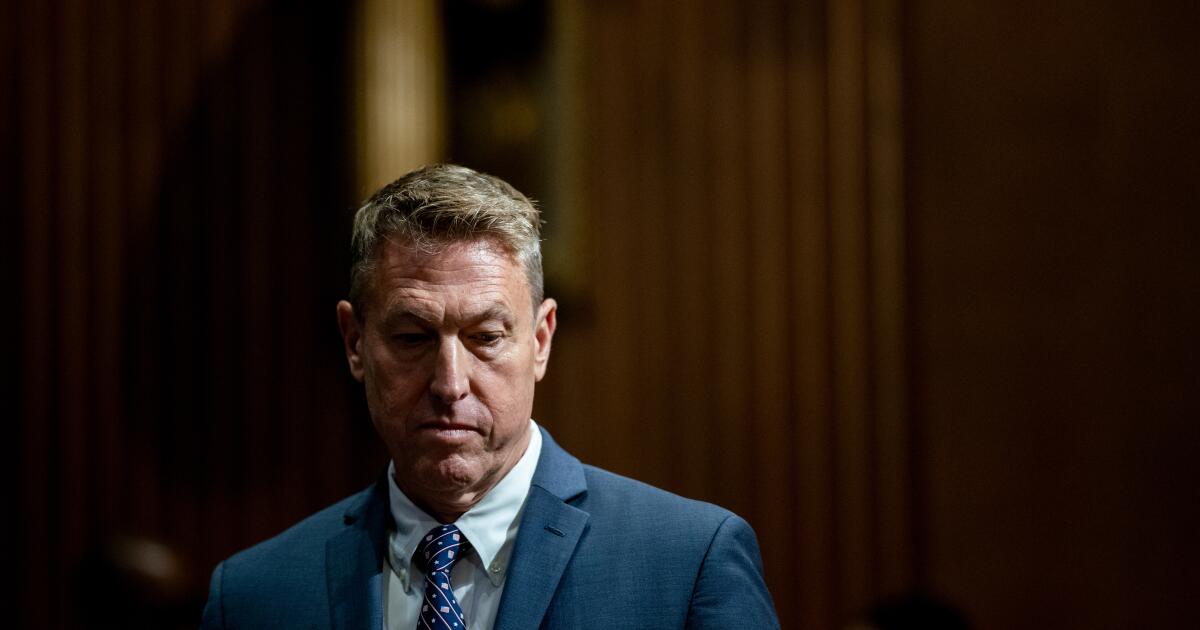
Rodney Scott, nominated by former President Trump to head U.S. Customs and Border Protection (CBP), is under intense examination due to his alleged involvement in a cover-up regarding the 2010 death of a migrant, who was severely beaten by Border Patrol officers.
While some critique Scott's suitability for the CBP leadership role, claiming he was involved in a cover-up, others defend him, arguing that he handled the situation properly and would be a strong leader for the vast federal entity, which includes over 60,000 personnel at various ports and borders.
In a Senate Finance Committee hearing, Scott was questioned about his actions during the incident. His tenure with the U.S. Border Patrol ended in 2021, but concerns about the past resurfaced during these proceedings.
Senator Ron Wyden from Oregon stated that the hearing's purpose was to assess Scott’s qualifications and integrity for leading a crucial government division, noting evidence points to his inadequacy.
The incident involved Anastasio Hernández Rojas, who died in the hospital two days after being beaten and tasered by agents as he was being deported through San Diego’s border. This left behind a grieving family comprising a spouse and five children.
Although authorities reported that Hernández Rojas resisted the agents, the incident and the subsequent handling by various officials have been questioned.
Recently, Wyden requested documentation from the Department of Homeland Security (DHS) regarding the case, but Secretary Kristi Noem dismissed his portrayal of Scott’s role as aggravating and incorrect.
Noem defended Scott, stating he wasn’t present during the incident and had limited involvement in the internal review process, asserting that no evidence showed deviation from legal or regulatory standards.
Roxanna Altholz, representing Hernández Rojas’ family through UC Berkeley's Human Rights Clinic, expressed frustration over the lack of clear answers about the investigation.
“Despite video evidence, the responsible agents have faced no consequences, leaving the family questioning the lack of accountability,” Altholz noted.
In 2017, the U.S. government settled a lawsuit with the family for $1 million. Nonetheless, a significant decision by an international human rights body recently held the U.S. accountable for the death and subsequent lack of proper investigation, urging a reopening of the case.
Senator Wyden criticized Noem for not providing the requested documents, highlighting the administration's reluctance towards transparency, likening it to an aversion.
James Wong, a former internal affairs official of CBP, contacted Wyden, raising concerns about Scott’s involvement, suggesting that Scott oversaw operations designed to limit the agency's liability.
Wong explained that the team under Scott’s command used subpoenas improperly to access medical records, emphasizing the misuse of authority.
Despite the internal contention, Noem claimed that all actions taken were in line with existing policies and laws, defending Scott’s sign-offs on the subpoenas.
Court documents revealed that footage was replaced and information withheld from police, casting further doubt on the integrity of the investigation.
In response to queries from Senator Mike Crapo, Scott firmly denied any interference in the investigative process.
Wyden pointed out Scott’s past mishandlings, including his participation in a controversial online group and insensitive responses to critiques, further questioning his judgment.
An incident involving Scott's dismissive online engagement with a sexual assault survivor was criticized by a judge for its threatening undertones, though not deemed immediately dangerous.
Scott has acknowledged some past mistakes but insists they were minor, expressing willingness to learn and move forward.
His premature exit from his previous role followed his disagreement with the Biden administration’s directive to avoid terms like “illegal alien.”
During the hearing, bipartisan members expressed support for Scott, with some dismissing the criticisms as unfounded attacks. Senator Ron Johnson apologized for the scrutiny Scott faced.
Leave a Reply