


The Importance of a President's Initial 100 Days
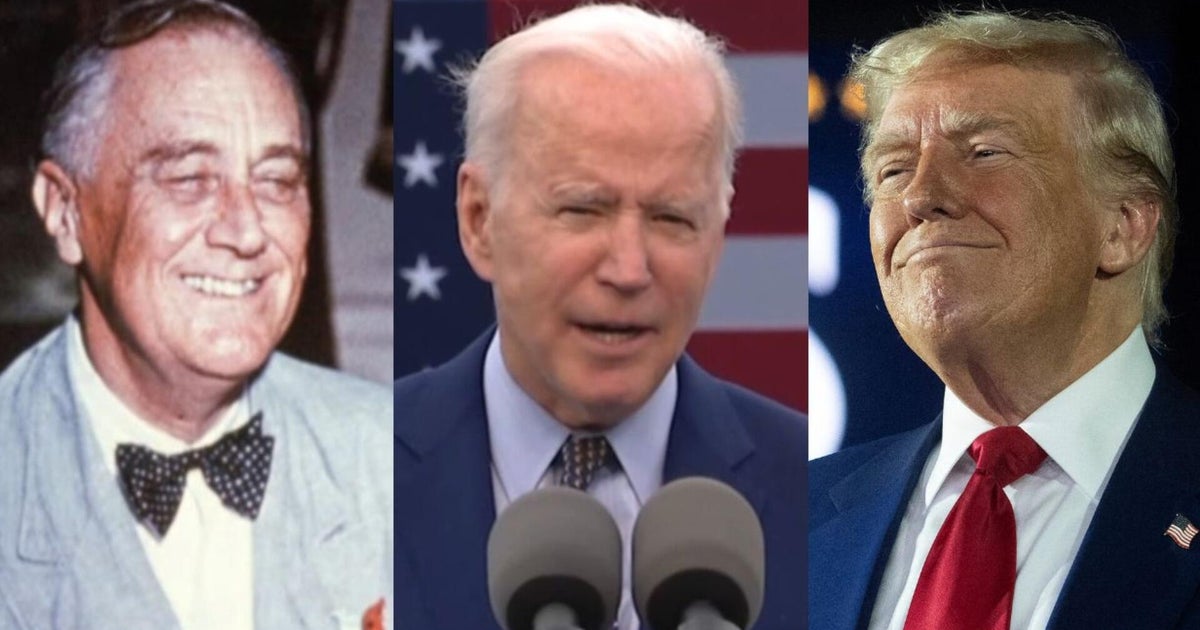
Since Franklin Delano Roosevelt assumed office in 1933, marking the first 100 days has become a presidential tradition. This period is pivotal for setting the tone and establishing the policy direction of the new administration.
Historical Context and Origins
Franklin Delano Roosevelt's presidency began during a period of significant turmoil. The Great Depression was devastating the economy, and the public required rapid and effective responses. Consequently, the first 100 days became a benchmark for evaluating a president's initial effectiveness and resolve in tackling pressing national issues.
Setting a New Administration's Course
Newly inaugurated presidents strive to use their first 100 days to enact major legislative initiatives or set key policies that will guide their presidential term. This phase allows them to capitalize on post-election momentum and political capital, often giving them greater leverage to drive their agenda.
Public and Political Expectations
There is considerable public and political focus on this period, as it serves as an indicator of the administration’s priorities and capabilities. The actions of a president during these early days are scrutinized by both supporters and critics, providing a glimpse into the governance style and future directions.
Impacts Beyond the First 100 Days
While the initial 100 days form an essential chapter of any presidency, their influence extends well beyond. Successfully navigating this period can solidify a president's legacy and influence their effectiveness over the entirety of their term. Conversely, missteps or failures may hinder the administration’s future endeavors.
Leave a Reply