


Tariff Troubles: Farmers' Challenges and Shrimpers' Opportunities
The bold trade initiatives set forth by President Donald Trump have brought about both disruption and openings in America's central regions. Farmers and entrepreneurs are finding themselves at a crossroads due to the tariff policies of Trump's administration, which creates both uncertainty and unexpected avenues for growth.
Impact on Agriculture Sector
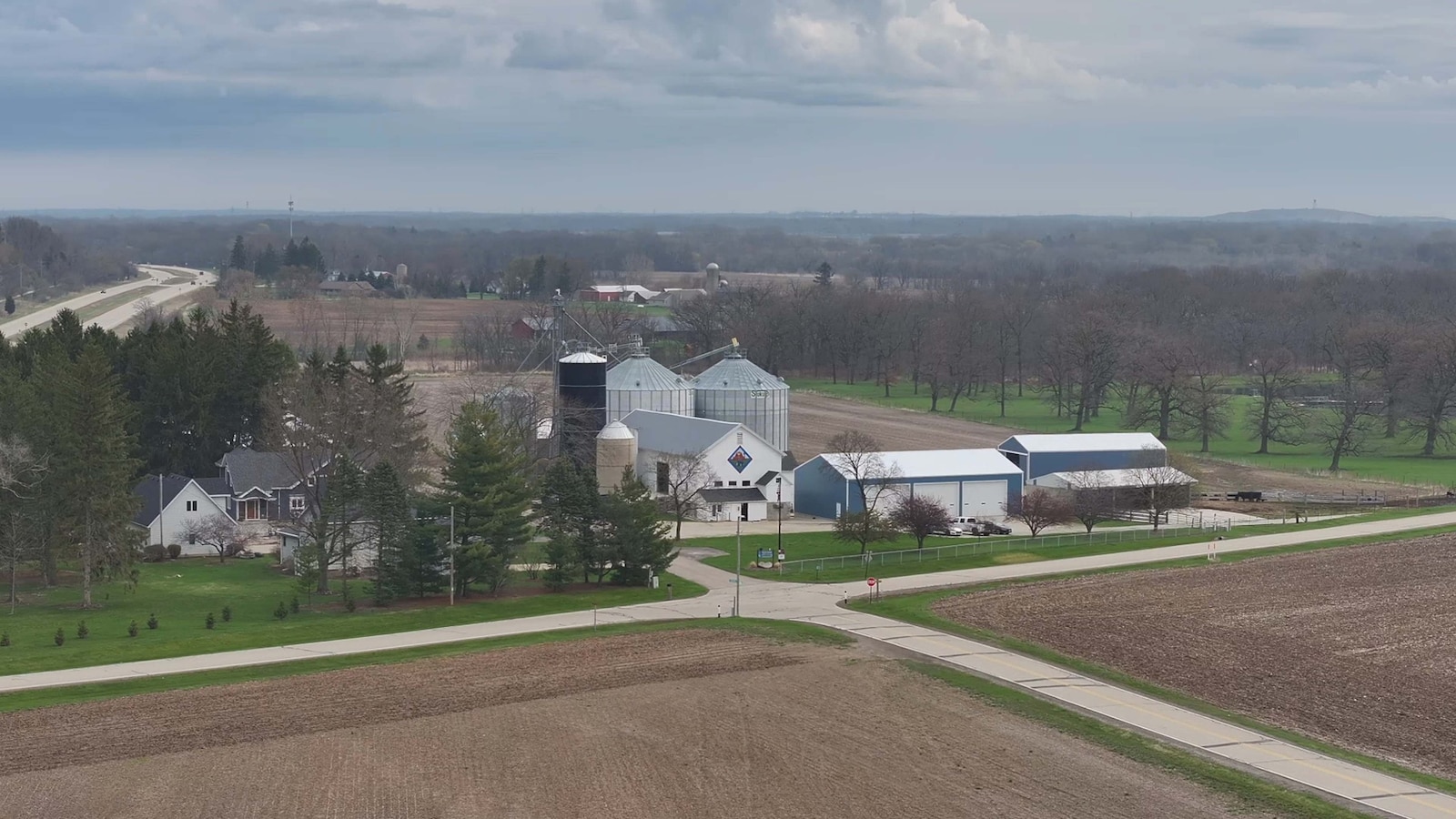
In Racine, Wisconsin, where agriculture has thrived for centuries, soybean producers are increasingly worried about the escalating trade conflicts. Kevin Malchine, whose family has been cultivating the same land for generations, described the turmoil as 'disconcerting.' For him and many others, the trade war represents new challenges that are beyond their direct influence.
Soybean farmers are particularly vulnerable. China, a significant market, had previously purchased a substantial 42% of the crop produced by the US, amounting to sales nearing $13 billion. However, with the imposition of tariffs by Trump and China's robust 125% retaliatory tariffs on American goods, including soybeans, the future remains precarious.
The Complexity of Crop Transition
Transitioning to alternative crops isn't a straightforward solution. As Malchine explains, the idea of switching to different crops is not easy, given the established nature of Midwest agriculture focusing on corn and soybeans. Such transitions would require extensive time and resources.
Fishing Industry: A Glimmer of Hope
In contrast, shrimpers in Charleston, South Carolina, like Rocky Magwood, perceive potential advantages amid the tariff turmoil. Despite the fact that nearly 94% of American shrimp consumption relies on imports, these tariffs could offer domestic shrimpers a competitive edge.
The local shrimping industry, which has greatly diminished over the decades, is beginning to see signs of revival. Magwood nostalgically recalls a time when dozens of boats populated Shim Creek, whereas now there are only a handful. Yet, recent changes have fueled optimism, as evidenced by the increasing demand for wild-caught shrimp from South Carolina.
A Cautious Path Forward
As the administration navigates through its temporary 90-day tariff reprieve for most nations except China, the broader economic implications persist. Major retailers have cautioned that continued tariffs could lead to product shortages.
Back in Wisconsin, Malchine adopts a realistic outlook, aware that the impact is on the horizon. Yet, he remains optimistic, embodying the resilience known to American farmers who have withstood hardships in the past. 'We've faced great challenges before,' Malchine notes. 'This gives us confidence that we can weather this storm, hoping for a resolution sooner rather than later.'
Leave a Reply