


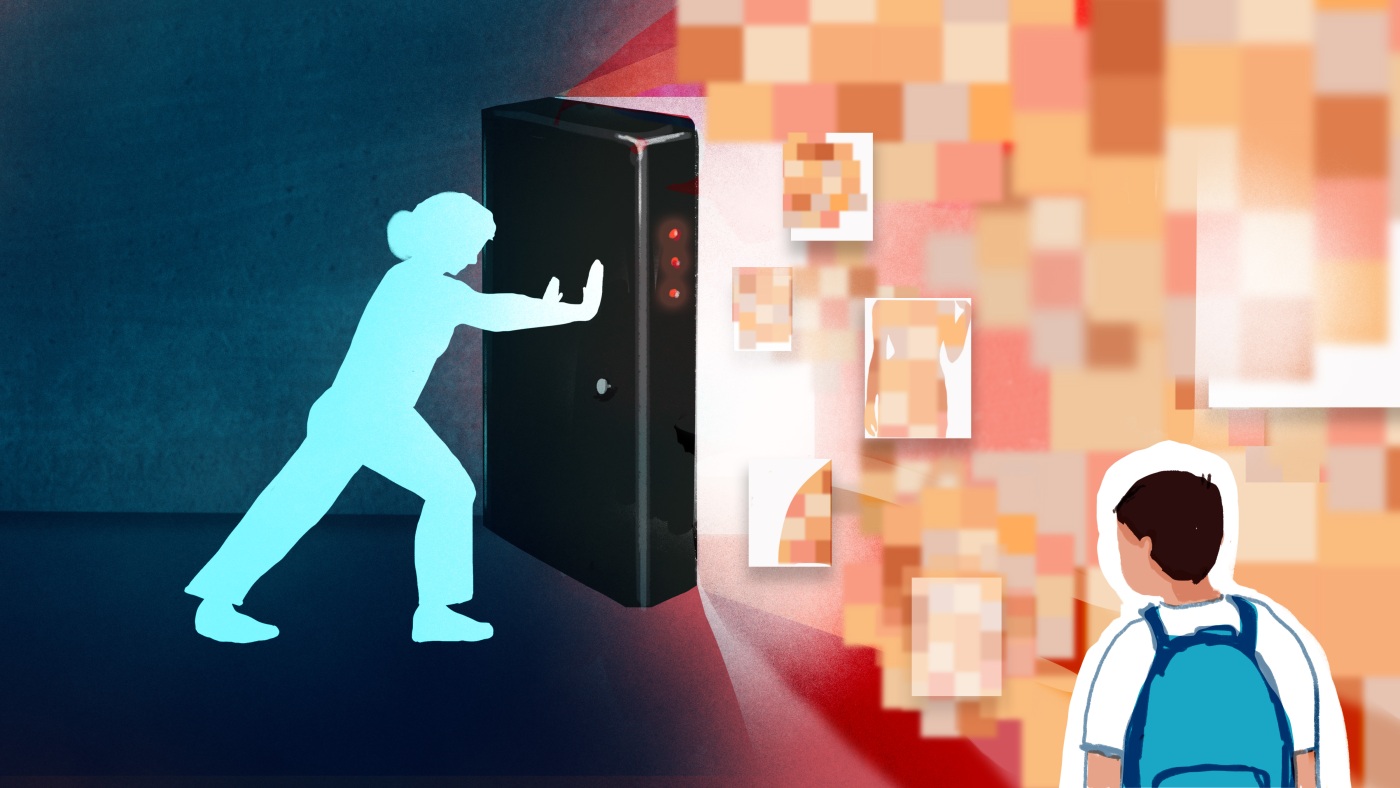
Strategies to Prevent Violent Pornography from Entering Your Home and Affecting Your Children
Author: Michaeleen Doucleff
As a parent, I once believed my nine-year-old daughter would remain untouched by pornography for many years. However, Dr. Michael Flood, a researcher at Queensland University of Technology, argues that this belief is unrealistic. His research over the past 20 years reveals how prevalent exposure to online pornography is among children.
Flood shares that parents consistently misjudge the likelihood that their children have encountered explicit content. According to his findings, nearly all children are likely to be exposed to pornography, often much earlier than parents anticipate. Reports indicate that the average age for a child's first exposure to pornography is approximately 12, with some as young as 10 years old.
The Nature of Contemporary Pornographic Content
There’s a misconception among parents that children are seeing mild forms of explicit content, similar to Playboy models. Yet, modern pornography is vastly different, typically filled with depictions of men treating women with cruelty and violence. Flood notes that these videos often feature aggressive language and physical violence, such as choking or slapping, under the guise of the woman enjoying these actions.
Research examining the 50 most-watched pornographic videos found over 90% demonstrating violence or aggressive behaviors, largely targeting women. Analysis of thousands of scenes from dominant pornography platforms revealed that physical aggression was present in nearly half, with acts like spanking and choking being rampant.
Scientific insights are beginning to unravel the effects of such premature exposure on youngsters' mental well-being and development. Dr. Sarah Willoughby from Brigham Young University points out that it distorts children's understanding of respectful and consensual relationships, feeding unhealthy gender roles.
Studies suggest that witnessing explicit material early can lead to problematic habits later in life. Because young children have limited knowledge about sex, exposure can be alarming and disorienting, sparking intense emotional and physiological reactions they may not comprehend.
In some cases, those first experiences with such imagery can be deeply traumatizing. Dr. Angela Maas from Michigan State University highlights a testimonial from an adult who relayed his shocking discovery of violent pornography as a sixth grader, which resulted in a long-term aversion to sex.
Parental Measures for Shielding Children
Recently, several U.S. states have enacted laws mandating age verification on pornographic sites, yet experts recommend that parents proactively safeguard their homes. Here are some ways to improve your household’s digital defenses.
Leveraging Your Internet Router
Your home's very own internet gateway, the router, can be a key tool in restricting access to inappropriate websites. Chris McKenna, founder of an organization dedicated to digital safety, describes the router as crucial yet often undervalued. This device manages which websites can be accessed through your home WiFi.
To capitalize on this, you could replace your existing router with models offering specific features. However, such investments might be expensive, costing up to $300. Newer routers allow users to schedule internet access or block specific devices regardless of location.
Implementing and Overseeing Filters on Mobile Devices
While managing your router provides some control, it will not restrict content accessed via mobile data on devices such as smartphones or tablets. This is why many child development experts advise delaying smartphone purchases for children.
Explicit content is not confined to adult websites. It can be encountered inadvertently on social media platforms or apps targeting younger audiences. Dr. Willoughby suggests deploying every filter and parental control available yet cautions against relying solely on these technologies, as they can be easily bypassed.
Parents are encouraged to actively monitor their children's activities, regularly checking social media interactions and shared content. This ongoing engagement is vital for understanding who your child is communicating with and about what,
Preparing Children for the Unexpected
Every child should know that encountering distressing online content is a real possibility. McKenna advocates for educating children to pause and report anything upsetting to trusted adults. Teach your child this protocol through practice scenarios at home, ensuring they feel supported when discussing uncomfortable experiences without fear of judgment.
Remain composed if your child reports seeing something disturbing, as overreacting may discourage them from approaching you in the future. Reinforce that your love for them remains unchanged, no matter what they've encountered online.
Leave a Reply