


Selecting the Optimal Coffee Beans for Cold Brew
Cold brew coffee boasts a mellow and sweet profile, enjoyed best during hot weather. Unlike drip, pour-over, or espresso, the beans suited for cold brew are chosen for their ability to infuse their essence slowly. This brewing technique is executed over many hours, unveiling the beans' inherent sweetness.
To gather expert guidance on the matter, we consulted Maciej Kasperowicz from Trade Coffee and Brent Wolczynski from Stumptown Coffee Roasters. These seasoned professionals have extensively explored which beans yield the finest cold brew and debunk numerous myths along the way.
Understanding Cold Brew Coffee
When we speak of cold brew coffee, we are not simply referring to any chilled coffee. Cold brew is characterized by its specific preparation process: steeping coffee grounds in water at a cool temperature for an extended period. This is distinct from iced coffee, where hot coffee is rapidly cooled, mirroring other quick brew methods but yielding a different texture and flavor balance.
Making cold brew at home is straightforward—just coarsely grind the beans, soak them in water, and let the mixture sit for up to 24 hours. To create a concentrate that you can dilute, a 4 or 5 to 1 water-to-coffee weight ratio works well.
Choosing the Right Coffee Beans for Cold Brew
Because cold brew employs a prolonged extraction process, it highlights certain qualities of coffee beans differently than hot brewing methods. It favors sweetness and body over the sharper, more volatile notes.
Both Kasperowicz and Wolczynski suggest a medium roast as the sweet spot for cold brew. While light roasts can offer vibrant flavors, medium roasts typically extract their flavors more easily, presenting a balanced cup. Very dark roasts, however, might lack the complexity desired in a smooth, flavorful cold brew.
Coffee beans with naturally sweeter and smoother profiles lend themselves well to cold brew. For instance, African coffees like Ethiopian varieties can introduce high floral notes and juicy acidity, which stand out beautifully in a cold-brew format.
If you enjoy cold brew coffee with milk, consider a robust medium-roast from Latin America. On the other hand, if you prefer your cold brew black, lighter roasted African coffees can offer a bright and fruity experience.
Beans from Latin America often present chocolaty undertones, ideal for those seeking a rich, full-bodied cold brew. For example, a Brazilian coffee may offer a deep, nutty sweetness that pairs exceptionally well in cold brew.
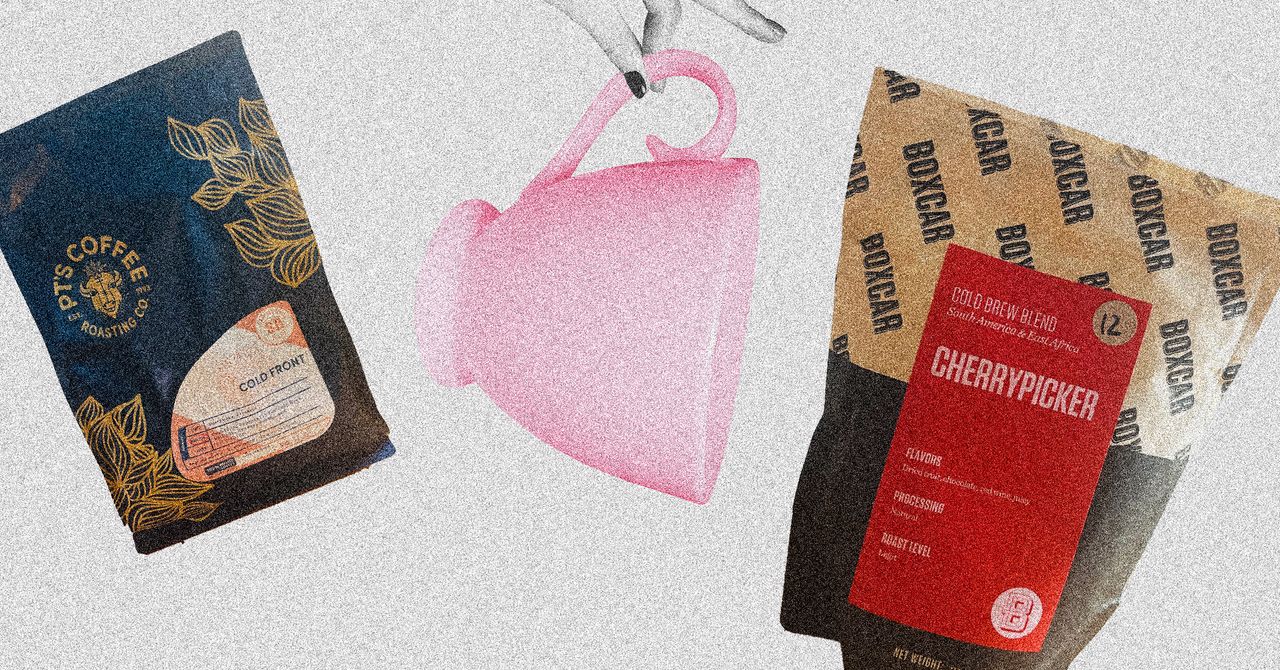
A mixture of beans from different regions, such as pairing South American and East African varieties, can create exciting flavor profiles, ranging from chocolate-covered cherries to spicy blackberries and caramel.
To achieve an expressive cold brew, look for descriptions highlighting full-bodied or rounded characteristics on coffee packaging. These beans promise fuller extraction, capturing the essence of their flavors more completely.
Practical Tips for Cold Brew Enthusiasts
You may find that cold brew demands more coffee grounds per cup than traditional brewing methods. Therefore, it might be wise to select blends that have pronounced, lasting flavors. Using stale beans is discouraged as fresh beans yield a more vibrant and longer-lasting brew.
Altitude, although it can indicate quality, is not necessarily crucial for cold brew as it might not accentuate the subtleties found in high-altitude beans. Instead, choose beans that match your palette preferences for sweetness and body.
For those who prefer iced coffee as an alternative, keep in mind that it's brewed hot and chilled quickly, retaining a tannic structure ideal for serving with milk.
Leave a Reply