


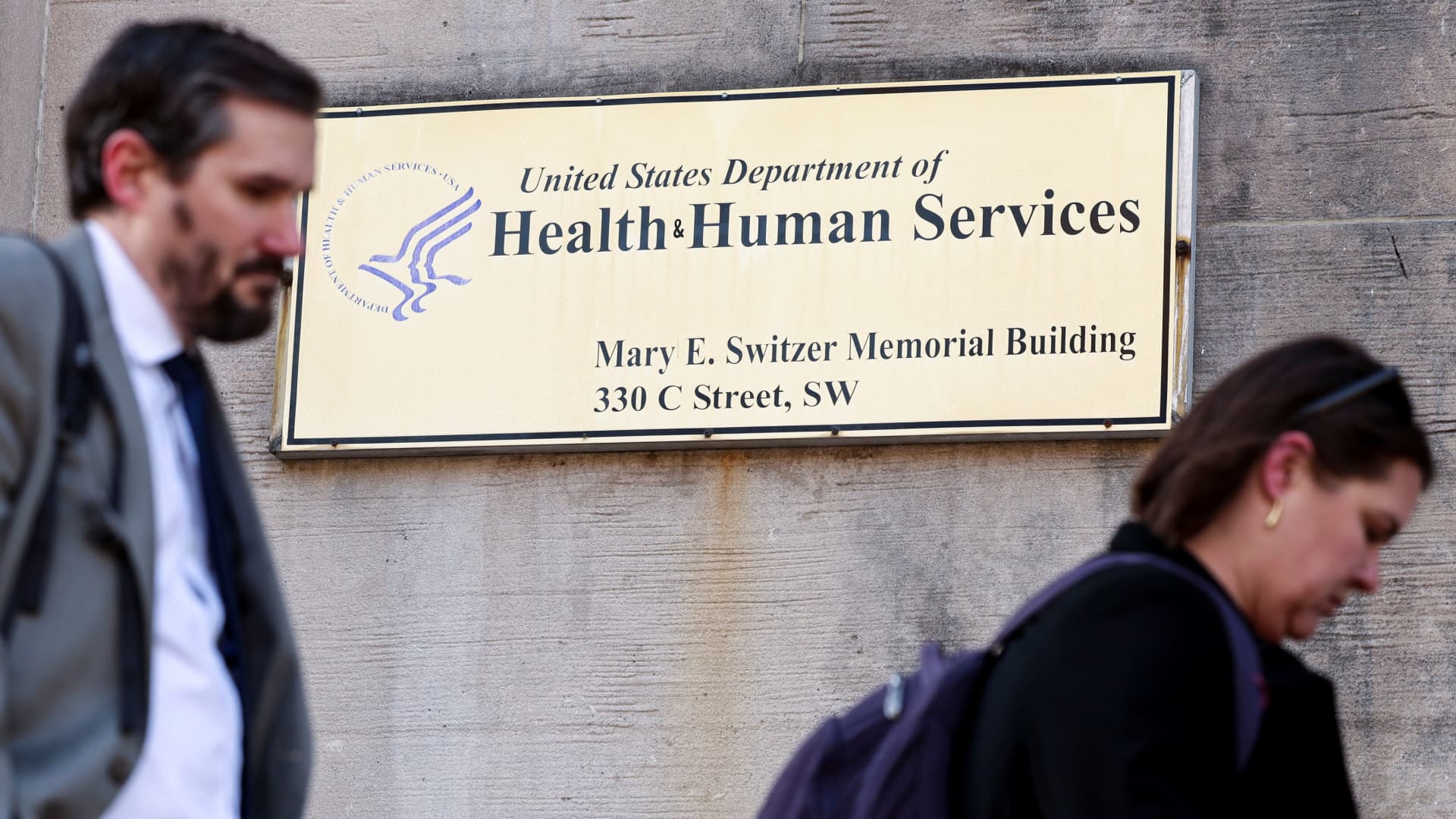
Radical Restructuring of Minority Health Offices at HHS Under RFK Jr.
In a sweeping reorganization, Robert F. Kennedy Jr. has enacted substantial workforce reductions at numerous health agencies within the Department of Health and Human Services (HHS), targeting offices crucial for improving health outcomes among minority groups, as reported by CNBC.
According to anonymous sources, Kennedy has significantly scaled back personnel in at least seven offices dedicated to minority health, with some divisions experiencing total staff layoffs, including their leaders.
These reductions have impacted several critical arms of health governance, including the HHS Office of Minority Health and the National Institute on Minority Health and Health Disparities. Similar roles within the FDA, CDC, CMS, HRSA, and SAMHSA have also been subject to these cuts.
Experts warn the cuts could reverse years of progress in mitigating health disparities, worsening outcomes for marginalized communities and exerting additional pressure on the American healthcare system.
Dr. Stephanie Ettinger De Cuba, a health policy expert, emphasized that these reductions would not just affect minorities but could have broader impacts on overall public health, potentially harming everyone.
While the administration can't completely dissolve these offices due to their grounding in the Affordable Care Act, there is a push to narrow their functions, reducing their effectiveness, according to Brandyn Churchill of American University.
This downsizing coincides with ongoing challenges in U.S. health disparity, affecting not just racial minorities, but also rural, low-income, and disabled populations, who face worse health outcomes compared to the general populace.
The exacerbation of these disparities during the COVID-19 pandemic underscored the systemic issues fueling unequal health outcomes, further stressing the need for robust minority health programs.
Kennedy's initiative includes consolidating agencies and cutting 10,000 roles, aiming to merge several offices into a newly proposed 'Administration for a Healthy America'. This effort would see significant budget reductions pending legislative approval.
Impact on Specific Offices and Future Outlook
The scale of the workforce reduction varies per agency. At CMS, the entire staff of 40 was terminated, while the present director remains in place.
The CDC's Office of Minority Health experienced similar cuts. Plans are underway to potentially reestablish it with minimal staff as a compliance measure with existing laws.
At the FDA, all personnel were laid off, with future directions for their Office of Minority Health and Health Equity unclear.
HRSA's Office of Health Equity was similarly emptied except for a few retirements and transfers, and SAMHSA's office faced significant reductions as well.
At NIMHD, about a third of the workforce exited due to retirement and layoffs, prompting the deputy director to temporarily step in as acting head.
Long-Term Repercussions and Data Implications
According to Terry McGovern, a lengthy period may elapse before the full impact of these cuts is realized, potentially stalling solutions to health inequities.
Samantha Artiga highlighted that these staff reductions could hinder the collection of critical data, which is essential for recognizing and addressing health disparities.
Without reliable research and data, efforts to counteract these disparities could be severely hampered, leaving important gaps in healthcare research and policy unaddressed.
Reductions in grants and funding could impact community-based organizations, limiting their capacity to provide essential, culturally-specific health services.
Nathan Boucher warns that the elimination of these grants would degrade accountability measures crucial for protecting underserved populations in healthcare policies.
Leave a Reply