


GLP-1s: Reducing Employer Healthcare Expenses Within Two Years
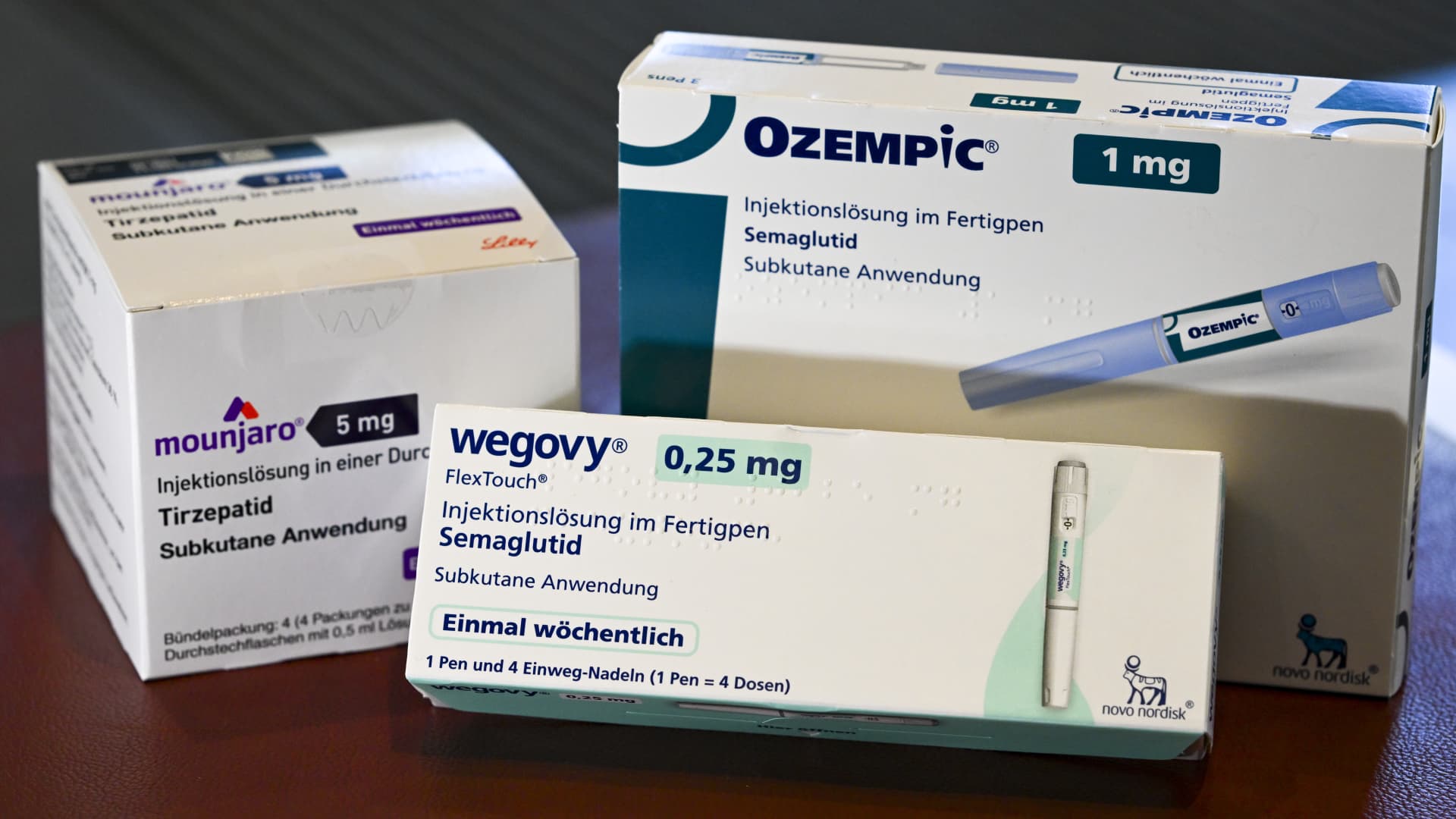
The rising appeal of diabetes and weight reduction drugs, such as Mounjaro, Ozempic, and Wegovy, is significantly contributing to the escalating healthcare costs for large employers. A primary concern is whether these costly medications, referred to as GLP-1s, will eventually bring financial benefits by enhancing employee health and ultimately reducing overall healthcare expenses. Experts at Aon assert that this positive trend is already visible.
Greg Case, the CEO of a leading firm in employer benefits services, observed, "We've never observed such significant effects before." He noted a 44% decrease in major cardiovascular incidents, along with substantial decreases in conditions like osteoporosis and various forms of pneumonia.
Research conducted by Aon indicates that within a two-year period, the improved health prospects for individuals taking GLP-1 medications reduce medical expenses both for themselves and their employers. Nonetheless, achieving these savings necessitates considerable initial investments.
GLP-1 medications typically cost over $1,000 per dose. While broader drug approvals are escalating demand, this is concurrently driving up employer expenditure on medications. Since 2023, the costs associated with GLP-1s have increased more rapidly compared to other high-cost specialist drugs, which include expensive cancer and autoimmune therapies.
Costs and Adjustments within the First Year
Analysts from Aon scrutinized medical claims from 139,000 employees in the U.S. covered by employer health plans and taking GLP-1 medications from 2022 to 2024. Their findings show that while drug costs are substantial, patients on GLP-1s generally face higher medical expenses during their initial year on the drugs. This increase is due to more frequent doctor consultations to oversee their treatment and address conditions like sleep apnea and acid reflux.
"Most of this increase unfolds within the initial 12 to 15 months," Case remarked, adding that individuals are receiving treatment for underlying issues associated with obesity.
Long-Term Financial Benefits from GLP-1s
By the conclusion of the second year of utilizing GLP-1 medications, there was an average decrease of 7% in overall healthcare expenses for these patients, relative to comparable workers with similar chronic health challenges not using these drugs. Notably, patients who strictly adhered to their medication regimen experienced savings as high as 13%.
A significant portion of these savings stemmed from a reduction exceeding 40% in severe cardiac incidents such as heart attacks and strokes, alongside a decline in new diabetes cases.
Employer Insights and Strategic Implementation
This data has enabled Aon to guide their clients on the timeline and the cost-benefit of providing insurance coverage for GLP-1s, both for weight management and Type 2 Diabetes.
"The areas where costs decreased were indeed remarkable," stated Case. "It showcases a viable economic return on investment, validating the financial advantage of such strategies."
GLP-1 Weight Management Initiatives
Following their research findings, Aon implemented a subsidized weight management program using GLP-1s for its U.S.-based staff. This initiative includes weekly virtual wellness sessions and home blood tests to ensure compliance with the medication regimen.
The comprehensive outcomes of this study will be shared at the upcoming Milken Institute Global Conference.
Leave a Reply