


Could Religious Charter Schools Change the Landscape of Public Education?
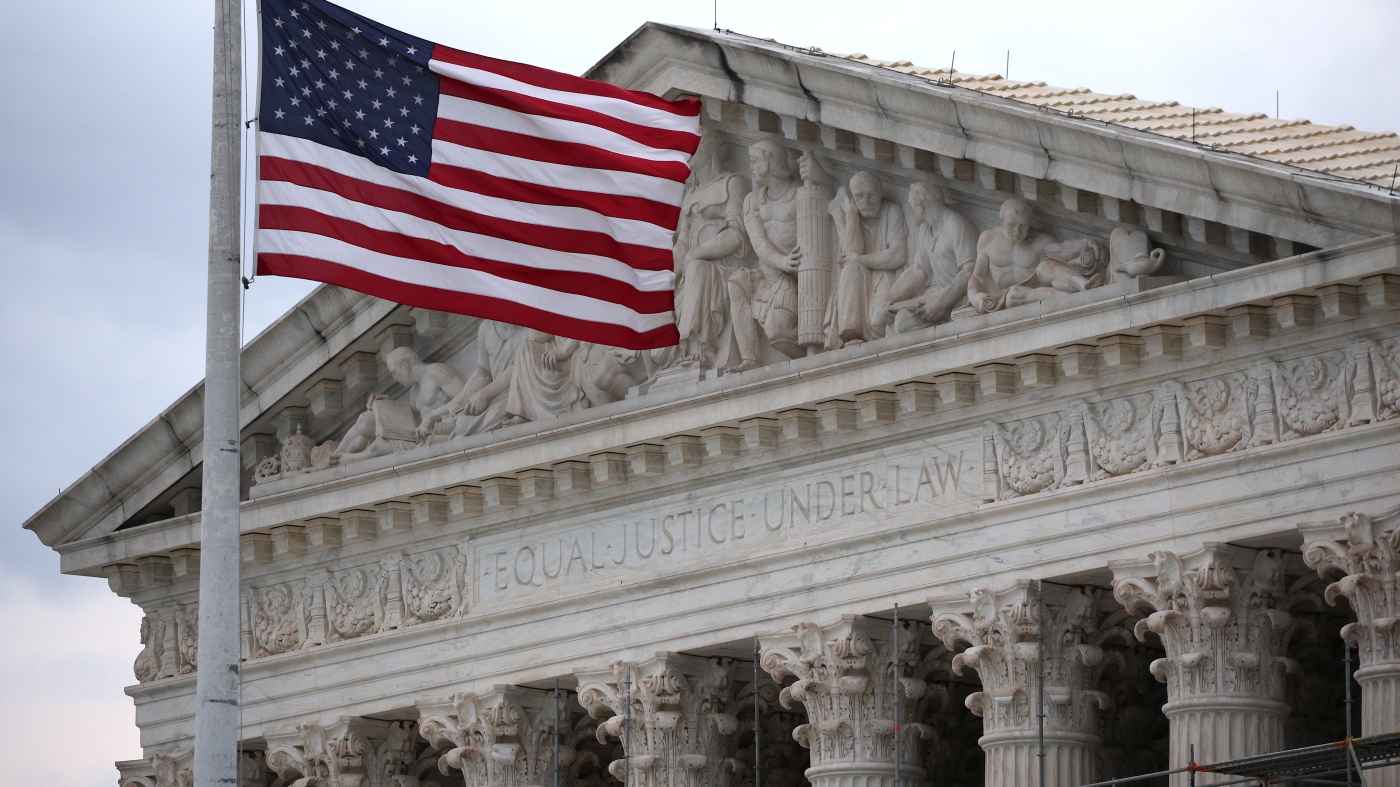
The Supreme Court of the United States is set to deliberate on a case that might greatly influence the public education system nationwide. In this unprecedented issue, the Court is asked to rule on whether charter schools with a clear religious orientation can receive public funding.
Oklahoma, along with 45 other states, has a charter school framework that offers schools increased autonomy and specialization. These institutions are classified as public schools under both state and federal law, with funding and regulation provided by the state, which also holds the power to dissolve them. Most critically, charter schools are required to be non-religious by law.
St. Isidore of Seville Catholic School, supported by two Catholic dioceses, attempted to initiate a virtual charter school in Oklahoma City and Tulsa. Despite backing from the state school superintendent, the Oklahoma Supreme Court blocked the move, citing constitutional grounds, both at the state and federal levels.
The case was escalated to the U.S. Supreme Court. St. Isidore’s attorney, James Campbell, argues that excluding religious entities from the charter school system constitutes discrimination against those of faith.
Campbell argues, "A public program must not bar religious organizations from participation." He asserts that including religious groups allows for a more genuine selection process for parents choosing charter schools for their children.
Conversely, the state contends that the First Amendment precludes state involvement with religion. Allowing St. Isidore to become a charter school would mean infusing the public education system with Catholic doctrine, turning it into an evangelizing body.
Oklahoma's Attorney General, Gentner Drummond, emphasizes the distinction between religious freedom as the right to worship and the unconstitutional practice of state-funded religious indoctrination.
Critics argue that if religious charter schools are permitted public funding, it could incite a ripple effect. Other faith-based or even atheistic groups might seek similar opportunities for their own ideologies.
The case carries a potential complication—a possible tie in the Court’s decision, which Justice Amy Coney Barrett's recusal might cause. She withdrew due to a conflict of interest, having close ties with legal advisors for St. Isidore.
With a deadlock possible, the previous ruling by the Oklahoma Supreme Court would remain in place, compelling those advocating for religious charter schools to find another legal avenue.
Leave a Reply