


Charges Against Alleged MS-13 Leader Dropped by Judge
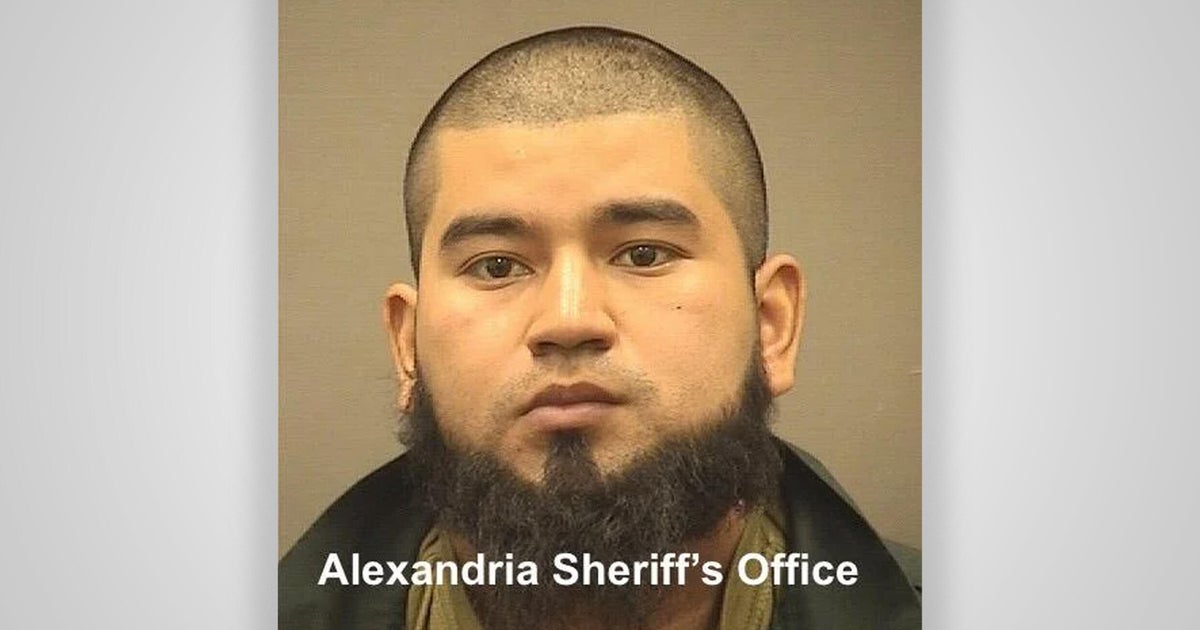
In a judicial decision this week, Henrry Villatoro Santos, a Virginian who was accused of being a major figure in the MS-13 gang, saw all charges against him dismissed, facilitating his fast-track deportation.
The Justice Department petitioned for the dismissal, signaling plans to deport Villatoro Santos. Present in the courtroom was a U.S. marshal from the Fugitive Task Force, indicating that Villatoro Santos might soon be placed into immigration custody.
Muhammad Elsayed, the defense lawyer for Villatoro Santos, commented after the session, 'It's probable they'll move quickly.'
Last month, a press briefing held by Attorney General Pam Bondi publicized Villatoro Santos's arrest, asserting he had a significant role as an 'East Coast leader' of MS-13. Despite accusations of unlisted violent offenses and orchestrating the gang's actions nationwide, the Justice Department did not connect him to specific acts of violence when pursuing charge dismissal.
Defense attorney Elsayed highlighted the peculiar nature of the case, urging the judiciary to assess the genuineness of the motion. He criticized the Justice Department for failing to justify the dropped charges adequately and raised concerns regarding potential procedural inadequacies in the forthcoming legal steps.
'Further legal actions are likely,' Elsayed stated post-hearing.
Villatoro Santos was previously facing a charge related to gun possession under federal law in Virginia. In the documents filed, there was only a brief mention of MS-13 affiliations, though an affidavit by an immigration officer noted FBI detections of MS-13 signs in Villatoro Santos's residence.
Arguing misuse of Rule 48(a), Elsayed contended the Justice Department was bypassing due process in favor of deportation, remarking on Attorney General Bondi's statements and pinpointing the exclusion of Homeland Security's involvement.
Elsayed mentioned that the court should delve deeper than a mere motion review, alleging 'prosecutorial misconduct,' likening it to previous contentious case dismissals.
Government representatives argued that postponements by the defense had stretched the timeline beyond their initial timeframe, emphasizing that the case should not remain indefinitely unresolved in the criminal records.
Leave a Reply