


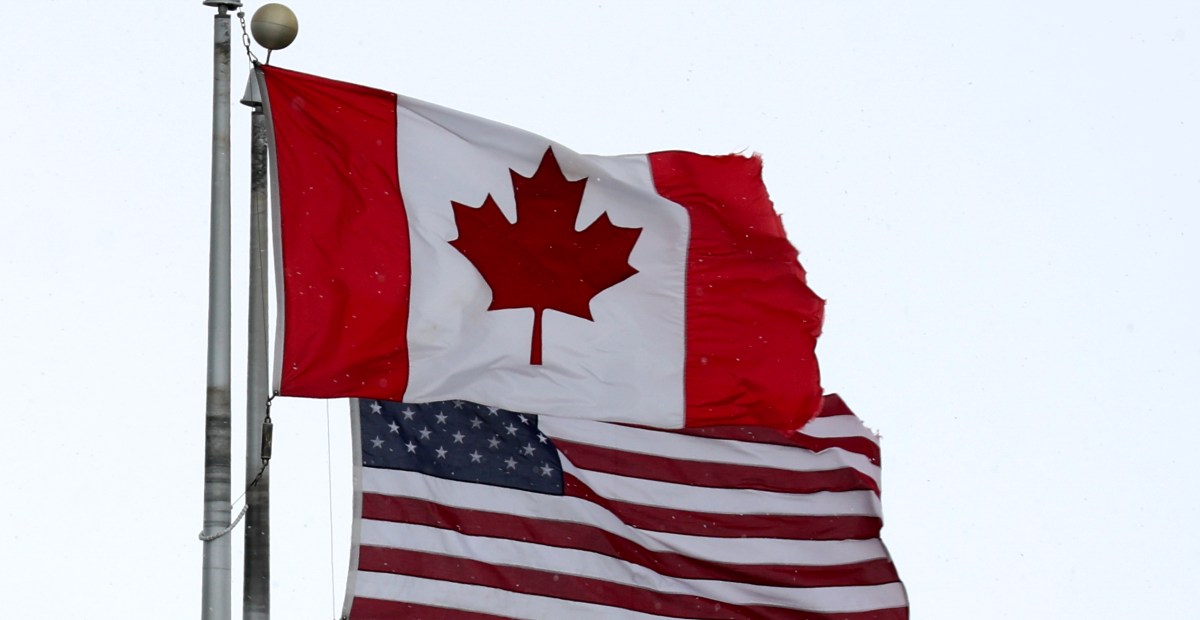
Trump's Unexpected Influence on Canada
In a surprising twist of political events, Canada's Liberal Party achieved a stunning comeback, defying earlier predictions of defeat. This success did not originate from their campaigns but rather from the unintentional impacts of U.S. political rhetoric.
The Catalyst for Change
The sidewalks across Canada spoke volumes of a cultural shift as many businesses prominently displayed signs emphasizing Canadian-made products. This was not just a celebration of domestic goods but a direct response to American President Donald Trump's actions that shook Canada.
A movement gained momentum in Canada, where 61% of citizens reportedly shunned goods from the U.S. This was sparked by proposed tariffs and the controversial notion of considering Canada as a '51st state.' Trump’s remarks spurred a wave of nationalism, with the Liberal Party strategically aligning itself as the opposition to his policies, thereby securing electoral victory.
A Political Misstep with Global Repercussions
Trump's statements and actions inadvertently served as a campaign enhancer for the Liberal Party. Conservative leader Pierre Poilievre, who embraced rhetoric akin to Trump’s, found himself on the wrong side of public sentiment.
Mark Carney, taking a stance opposing Trump, criticized American economic influence, signaling an end to the traditional U.S.-Canada dynamic. These developments indicate potential instability in the underlying structure of American dominance, as allied countries might reconsider their ties if their leaders campaign on reducing reliance on U.S. support.
Consequences of a Changing Relationship
The ten-year hold of Canada’s Liberal Party seemed unsustainable due to rising public dissatisfaction. Yet, leaders like Carney turned the tables with their promise of change, coupled with a resounding anti-Trump sentiment that resonated among Canadians.
This shift in attitudes saw a swift Liberal resurgence from a significant polling deficit to a narrow electoral win. This doesn’t guarantee parliamentary majority, however, their political comeback is undeniable.
Trudeau's step down and subsequent replacement by Carney, while crucial, didn't fully capture voters' attention until Trump’s contentious rhetoric provided the necessary spark. The '51st state' commentary catalyzed a nationalist movement which bolstered Carney's support as he defied Trump’s economic propositions.
Political Dynamics and Economic Implications
Trump’s tariffs and sovereignty challenges further strained Conservative campaign efforts in Canada. Adopting slogans like 'Canada First,' similar to Trump, backfired, highlighting their disconnect from prevailing public opinion.
Carney’s experience and handling of international financial intricacies reassured Canadians, positioning him as a dependable figure amid economic uncertainty. The confidence in his ability to counterbalance Trump's trade policies was evident in public opinion polls.
A Broader Impact on Alliances
Donald Trump's foreign policy approach, praised by some for assertiveness, instead fostered animosity among traditional allies. Experts suggest this might lead Canada to explore new alliances, reducing economic and military dependency on the U.S.
Although completely severing ties seems implausible, the shift in dialogue threatens the long-standing trust that has characterized the U.S.-Canada relationship. This pattern isn't isolated to Canada; similar political shifts are noted in countries like Australia.
As Trump's policies reshape global dynamics, they challenge the once-stable diplomatic waters. Canada’s election marks a pivotal point, suggesting broader implications for American geopolitical strategy moving forward.
Leave a Reply