


Trump Relaxes Tariff Strain on Automobile Industry
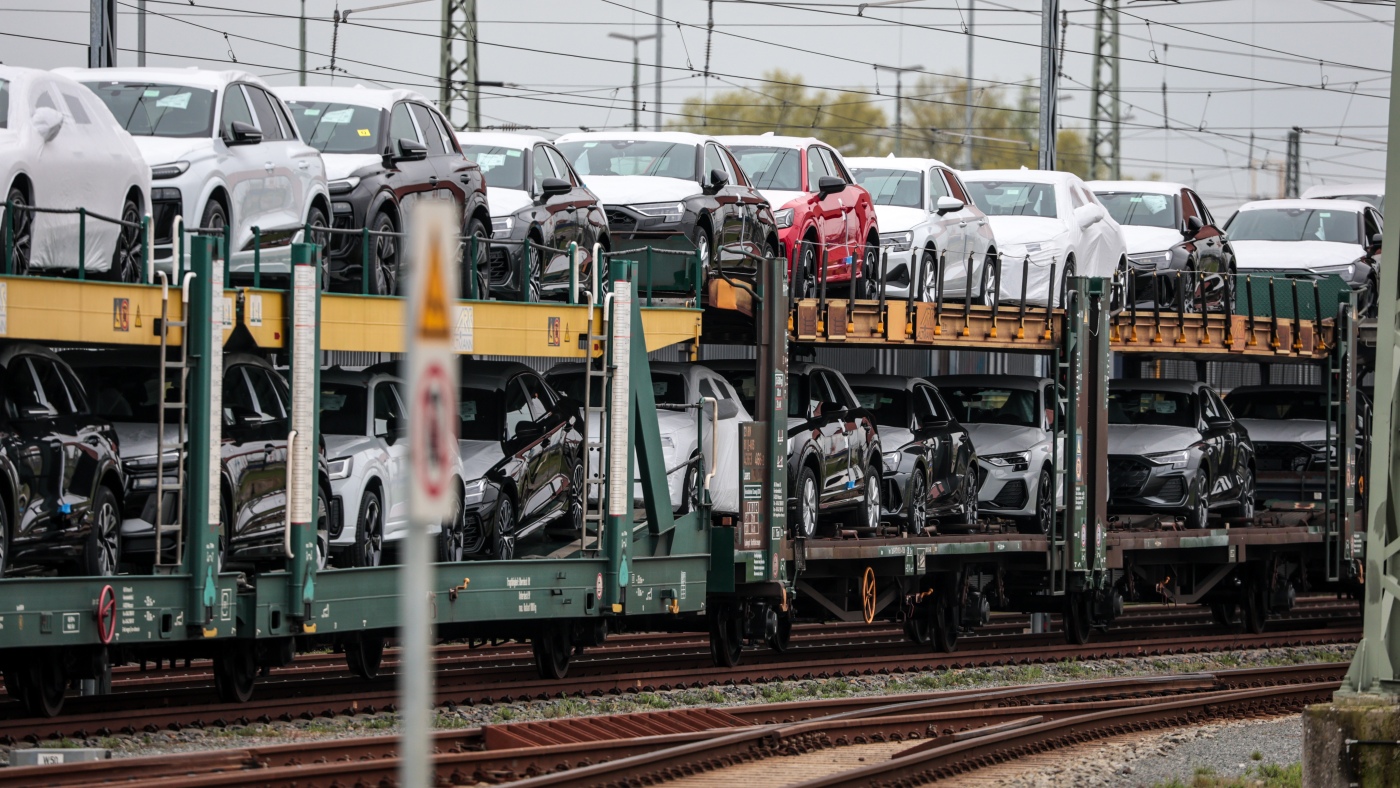
Exports of Audi vehicles from Germany are lined up at the Bremerhaven docks as of April 22, 2025.
President Donald Trump has opted to ease some of the tariff pressures that have been placed on car manufacturers. This move represents another reversal in his previously rigid stance aimed at boosting U.S. factory jobs and increasing state revenue.
An official declaration is anticipated before a Michigan gathering that will coincide with the 100th day of Trump’s presidency. The uncertainty around Trump's fluctuating tariffs has created ripple effects across financial markets, with surveys indicating public unease concerning his economic strategies.
New Tariff Policies Unveiled
This policy adjustment will prevent the accumulation of various types of tariffs on imported foreign automobiles. Reports about this change surfaced on Monday, and an administration insider, preferring to remain unnamed, has verified the revisions.
For the next couple of years, companies importing foreign car parts can expect partial tariff refunds from the government.
This measure is designed to benefit local car makers while allowing those who depend on time to upgrade their U.S.-based production facilities, explained Commerce Secretary Howard Lutnick in an official administration release.
Strengthening Domestic Industry Partnerships
According to Lutnick, "President Trump is cultivating a key alliance between domestic vehicle manufacturers and our American workforce," as stated in his release.
Recently, a 25% surcharge on steel and aluminum imports was implemented by the administration. Soon thereafter, a similar tariff was applied to foreign-made vehicles. More restrictions are scheduled later in the week for imported car components. Notably, these tariffs don't apply to cars imported under the USMCA from Mexico and Canada.
Car manufacturers have voiced concerns over the height of these tariffs, although many support them as a means to encourage more production jobs within America.
A comprehensive 10% import tariff was also introduced, but notably spared the exception of Chinese products.
Leave a Reply