


The Slower Healing of Human Wounds Compared to Other Mammals
Humans, often referred to as 'naked apes,' require bandages because, unlike other mammals, we lack the fur that promotes faster healing. This loss of fur might have been a trade-off allowing us to develop other evolutionary traits.
Observations from the Wild
While observing baboons in Kenya, Akiko Matsumoto-Oda, a researcher specializing in evolutionary biology, witnessed frequent injuries among these primates, particularly among males. She was amazed not only by the occurrence of these injuries but by the speed at which the animals recovered, even from severe wounds.
In contrast to Matsumoto-Oda's personal experiences with minor cuts and bruises, the baboons' healing abilities seemed nothing short of extraordinary.
Comparative Study on Healing Rates
In a recent study published in the journal Proceedings of the Royal Society B, Matsumoto-Oda and her team examined and compared how quickly wounds healed in humans, chimpanzees, monkeys, and mice. The findings showed that human wounds needed more than twice the time to heal compared to those of other mammals. This slower healing process could be linked to an evolutionary shift that prioritized our bare skin over furry coats.
Methodology and Data Collection
To conduct a less chaotic and more systematic study, the researchers collected data in more controlled environments than wild baboon habitats.
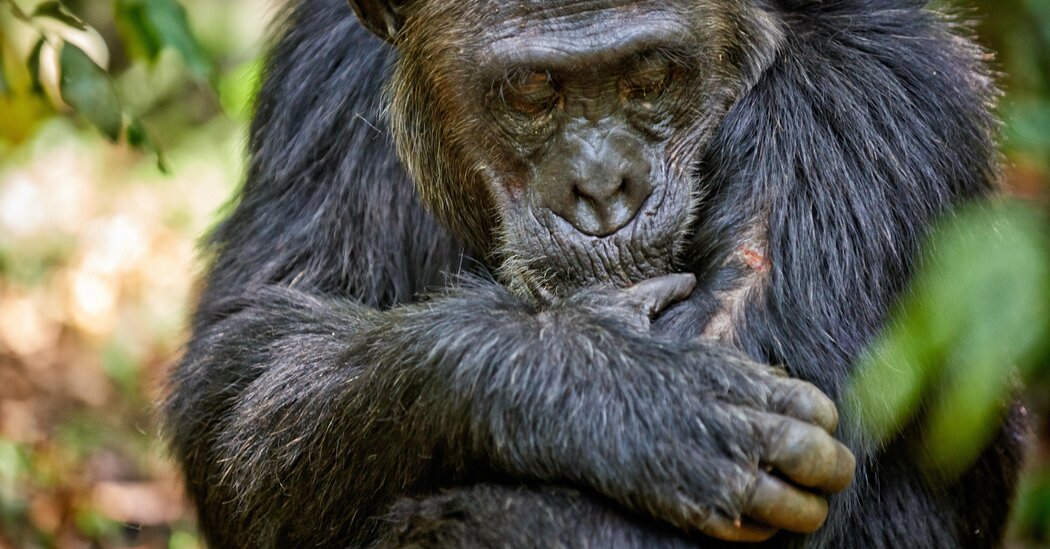
For human subjects, 24 individuals undergoing skin tumor removal at University of the Ryukyus Hospital were included. The study on chimpanzees, our closest animal relatives, involved observing five chimpanzees in captivity at the Kumamoto Sanctuary from Kyoto University, a center that fosters animals that previously participated in pharmaceutical trials. Like their baboon counterparts, most of these injuries among chimps resulted from conflicts within the group.
Leave a Reply