


Supreme Court Reviews Accountability in Wrong-Address Raids by Law Enforcement
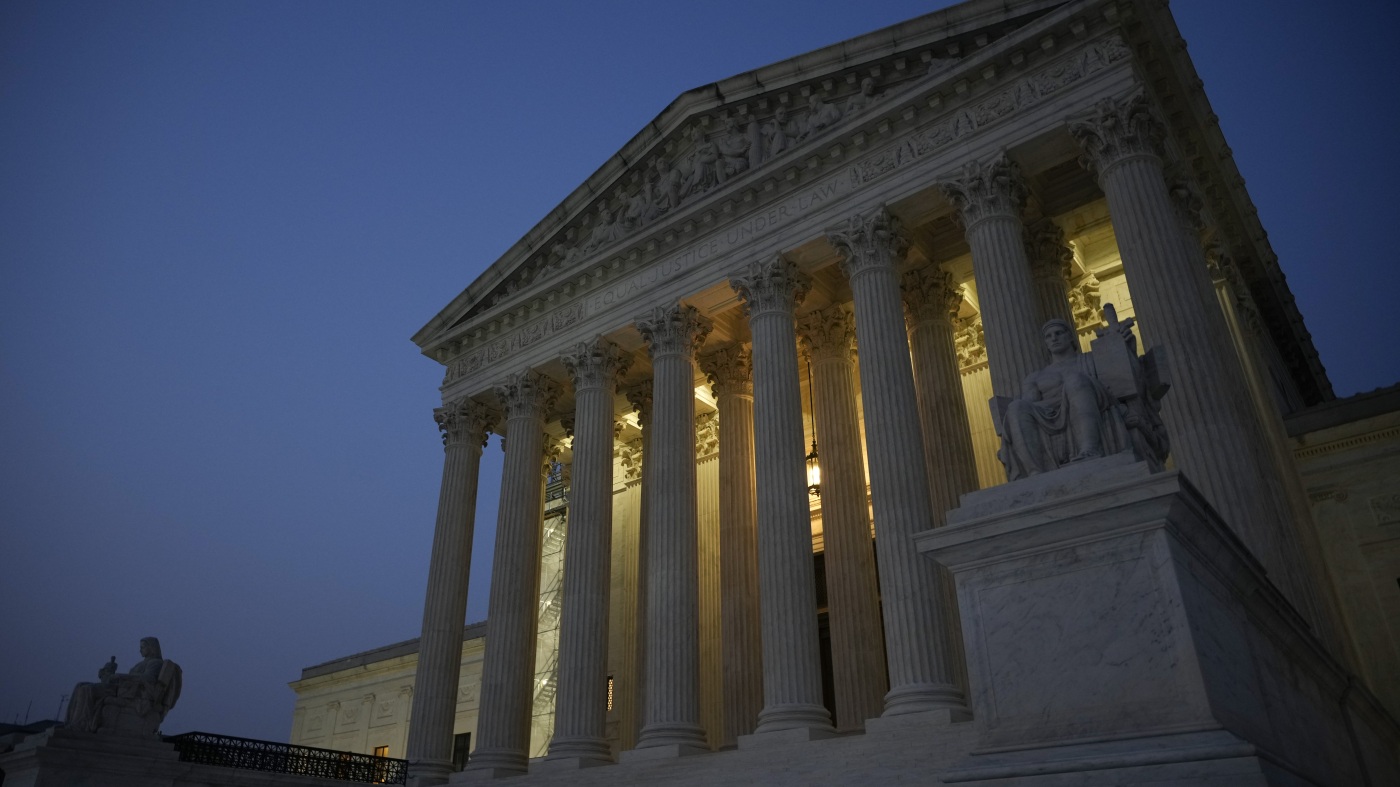
The U.S. Supreme Court is currently evaluating a significant case that questions the avenues available to individuals who experience unlawful home invasions by federal law enforcement.
This legal examination focuses on incidents known as "incorrect residence raids." These occur when local, state, or federal officers mistakenly burst into an unintended home during operations like executing an arrest warrant.
A noteworthy incident took place one October night in 2017, involving Trina Martin, her young son Gabe, and her partner Toi Cliatt. FBI and SWAT units mistakenly targeted their Atlanta residence, intending to arrest a neighbor linked to criminal activities.
Martin recounted the terror of the grenade explosion that shattered their front door and the subsequent chaos: "We’re just ordinary folks, why us?" she questioned.
Law enforcement officials aggressively entered the premises, apprehending Cliatt and leaving Martin unable to reach her frightened son, who had hidden.
Gabe described his fear during the raid, feeling isolated: "I was lost…calling for my mom, not knowing what to do," he recalled.
After realizing their mistake, the officers eventually exited, though they initially split up the family members and pointed firearms at them. A member from the raid team later apologized once they apprehended the actual suspect at the correct address.
In 2019, the affected family initiated legal proceedings against the FBI and the involved agents. Pursuing justice in such cases in state courts is problematic, and in federal jurisdictions, it’s even more challenging due to the general immunity of the U.S. government from lawsuits.
Legal Framework and Supreme Court Deliberations
The pressing issue is whether the Supreme Court considers this erroneous raid subject to existing legal exceptions. Under normal conditions, the government claims "sovereign immunity," protecting it from litigation.
The 1946 Federal Tort Claims Act provides an exception, permitting lawsuits against the government for damages caused by its employees. To address specific infractions, this statute was adjusted in 1974 following several high-profile mistakes by federal agents, to possibly broaden the scope of victim claims.
The core legal question: Does this amendment of the Act allow citizens to sue for these kinds of errors regardless of whether the officers adhered to orders?
According to the government's stance, law enforcement officers acted on directives based on their understanding of where to converge. Therefore, holding the government responsible could impair law enforcement's future operational effectiveness.
Conversely, in Martin and Cliatt's view, the amended statute suggests Congress intended for federal accountability in these scenarios, even if the officers made location mistakes despite correct information.
Seeking Justice for All Affected
For Martin, pursuing this legal battle isn’t solely about personal recompense but also about championing justice for anyone subjected to similar violations.
Cliatt underscores the need for accountability: "We aren't against police, but surely there are more thoughtful approaches than raiding homes at night."
Historical Context and Future Implications
The Supreme Court, with its current conservative majority, has previously dismissed similar claims, rendering challenges against law enforcement more arduous. However, previous decisions indicate potential openness to exceptions.
A ruling on this matter is anticipated by summer, potentially setting a precedent for future cases involving federal mishaps in law enforcement operations.
Leave a Reply