


Supreme Court Case Could Allow Lawsuits for Police Errors
Imagine a SWAT team suddenly storming into your home, only to discover they’ve targeted the wrong house. Innocent residents find themselves at the mercy of a chaotic mistake.
Such incidents have occurred across the United States for many years—sometimes due to flawed intelligence or inadvertent errors by law enforcement—often resulting in damaged homes and traumatized families.
When police are protected by immunity, victims might receive minimal compensation.
A case presented to the U.S. Supreme Court offers hope for victims of erroneous police raids to seek damages under a specific exemption to federal immunity rules.
Patrick Jaicomo, representing the Institute for Justice, a nonprofit legal advocacy organization, commented, "It's fundamentally about ensuring justice."
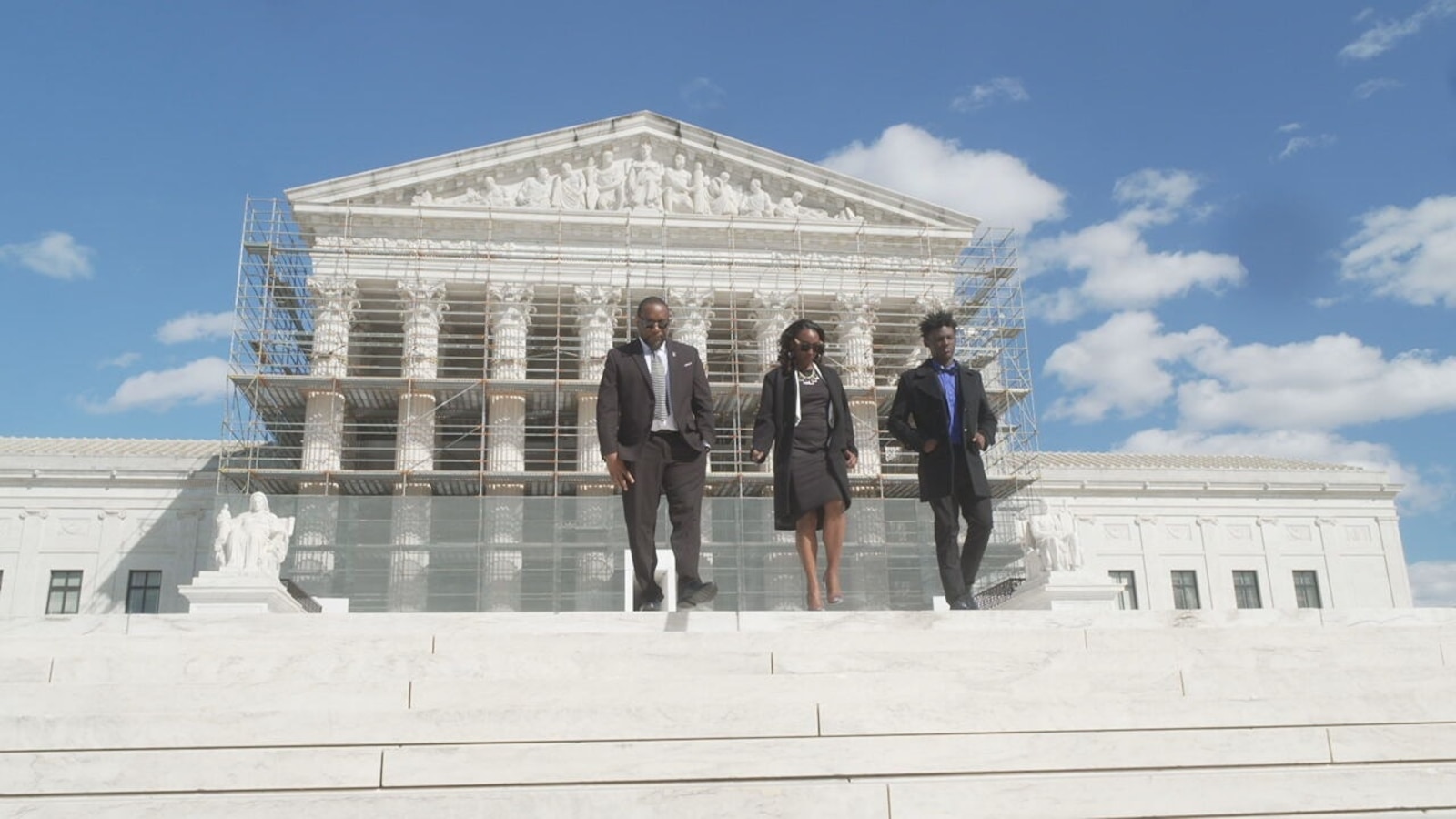
The plaintiffs, Trina Martin, her son Gabe, and her former partner Toi Cliatt, have been striving for seven years to sue the FBI after their Atlanta home was mistakenly raided in 2017.
In an interview, Martin expressed her initial terror, thinking a break-in was occurring, with chaos leading her to believe their lives were in danger.
Upon hearing loud detonations from flash-bang grenades, Cliatt sought refuge in a closet before being apprehended by officers.
Cliatt explained how the officers doubted his explanations, only realizing their error later. "It dawned on me then they were at the wrong location," he recalled.
Afterward, the leading officer left a contact card and apologized, then departed, according to Martin.
The family claims nearly $5,000 in damage, including scorched carpets, broken doors, and damaged railings. Yet, the emotional toll is much harder to measure. "It's limitless," Cliatt explained.
Gabe, who hid under his bed in fear at the age of seven, notes how profoundly the event shaped his life, stating his childhood was transformed forever.
Despite the trauma, the FBI refused the family’s demands for compensation. The Trump administration, acting in defense of the FBI in court, insists sovereign immunity protects the agency from such claims.
"Police officers are prone to errors," acknowledged Anthony Riccio, the former First Deputy Superintendent of the Chicago Police Department. Often those errors stem from inadequate research.
Legal analysts note that many police departments do not maintain data on erroneous raids or report occurrences publicly. Experts estimate hundreds of wrongful raids annually with most victims lacking compensation for both physical and emotional damages.
"Every citizen deserves security in their own home," said Anjanette Young, a social worker from Chicago who experienced a wrongful raid in 2019.
Young's case gained notoriety after bodycam footage showed her in handcuffs in her apartment in distress. It underscored the systemic errors often leading to these raids.
Her plea, "You're at the wrong house. I live here by myself!" reflected the disorientating moment she faced.
Despite authorities taking nearly 40 minutes to discover their mistake, Young was left without remedy and continues to manage a diagnosis of severe depression and PTSD.
A 2023 inquiry by Chicago's inspector general highlighted a pattern of mistaken raids. Though Young received a $3 million settlement from the municipality, others remain without recourse.
"The core issue was the erroneous information fed to officers," Riccio explained, revealing how a paid informant provided incorrect data for personal gain.
The repercussions of such blunders range from emotional distress to extensive property damage.
In 2023, a SWAT team's raid in Austin, Texas, devastated Glen and Mindy Shields' home while pursuing the wrong target. The city, claiming immunity, refused accountability.
In 2022, an incident in South Bend, Indiana, involved police questioning a suspect’s actual location after wrongfully identifying a household, adding to the victims' trauma.
Jaicomo points out that federal doctrine often seems like a shield of immunity for officers, complicating justice for innocents.
The Martins, seeking clarity and justice from the Supreme Court, aspire to penetrate this legal defence.
A legal provision originating in 1974 grants federal agents immunity from lawsuits involving specific civil offenses unless an exception, as the Martins contend, is applicable.
The government refutes that this exemption pertains to the Martins’ dilemma.
The Martin family’s quest is not only for personal restoration but also for broader reform to prevent similar errors nationwide, as Jaicomo articulates.
This case arises amidst claims that the Trump administration has retreated from oversight mechanisms designed to regulate policing practices.
The Justice Department under Trump halted some federal investigations and reconsidered existing agreements aimed at reform.
Major cities, including Louisville and Minneapolis, experienced stalling reforms post-2020 controversies due to these practices.
ACLU legal director Cecilia Wang criticizes the department’s reduction in scrutinizing constitutional abuse trends, viewing it as a step backward.
Anjanette Young believes impactful change doesn’t have to start at the federal level.
Her efforts in Illinois seek stringent scrutiny on warrants, encouraging state and municipal legislations to implement clear guidelines to prevent incorrect raids.
"There's an obligation to rectify the damage inflicted," Young asserts.
Riccio concurs, suggesting some form of restitution should be provided, whether through repair or compensation.
For families like the Martins, remedies are too often exceptions rather than norms. They hope the Supreme Court can change that narrative.
Martin recalls feeling abandoned by the system over the years but remains steadfast in her quest for justice.
Leave a Reply