


Starbucks Shifts Focus to Human Touch Over Machinery in Strategic Revamp
In a bold move to revitalize its brand, Starbucks is prioritizing people over technology as the cornerstone of its turnaround strategy.
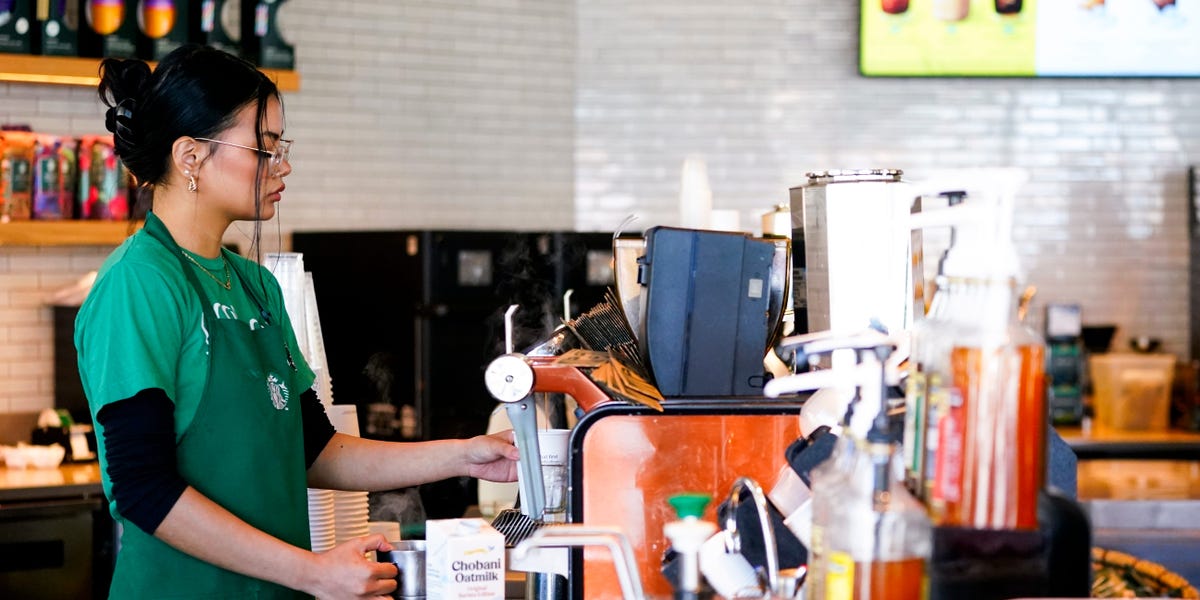
The global coffeehouse chain plans to bolster its workforce by hiring additional baristas and increasing their working hours, according to CEO Brian Niccol, who discussed the strategy following the release of the company’s second-quarter financial results.
Dubbed the Green Apron Service model, this new initiative is set to debut next month, with the aim of implementing it across one-third of Starbucks' U.S. locations by the close of the 2025 fiscal year.
Niccol points out that dedicating more resources to staffing rather than equipment is yielding better returns in terms of customer satisfaction and sales growth.
Notably, Starbucks' stock saw a nearly 7% dip during after-hours trading on Tuesday, following the announcement of increased investment in employee hours, compounded by earnings slightly trailing behind analyst projections.
Strategic Shift from Previous Practices
This strategic pivot marks a significant shift from prior methodologies. Before Niccol's leadership began in September, Starbucks had minimized working hours, contributing to understaffing issues.
In an attempt to counterbalance reduced staffing, the company introduced technology upgrades, including faster blending machines and automated dispensers. These were intended to assist baristas by providing precise ingredient portions automatically.
However, Niccol has acknowledged that relying heavily on machinery to replace labor did not meet expectations.
Pilot Programs and Customer Interaction
A recent trial across 700 stores assessed the impact of increasing labor hours, revealing positive results. In downtown Chicago, extra staff hours enabled the handling of an influx of mobile and in-store orders efficiently.
Similarly, at locations with drive-thru services, additional staffing helped manage customer flow more effectively.
Technological Enhancements Complement the Human Element
A newly introduced order sequencing algorithm is anticipated to further enhance customer service. Currently being tested in 400 stores, this system optimizes the sequence of drink preparation, reducing wait times and easing the workflow.
Niccol asserts that the atmosphere is significantly less hectic, allowing staff more opportunities to engage meaningfully with patrons.
Under Niccol's guidance, Starbucks has initiated other customer-friendly practices. These include requiring purchases for in-store seating and encouraging baristas to personalize to-go cups with messages or doodles.
Leave a Reply