


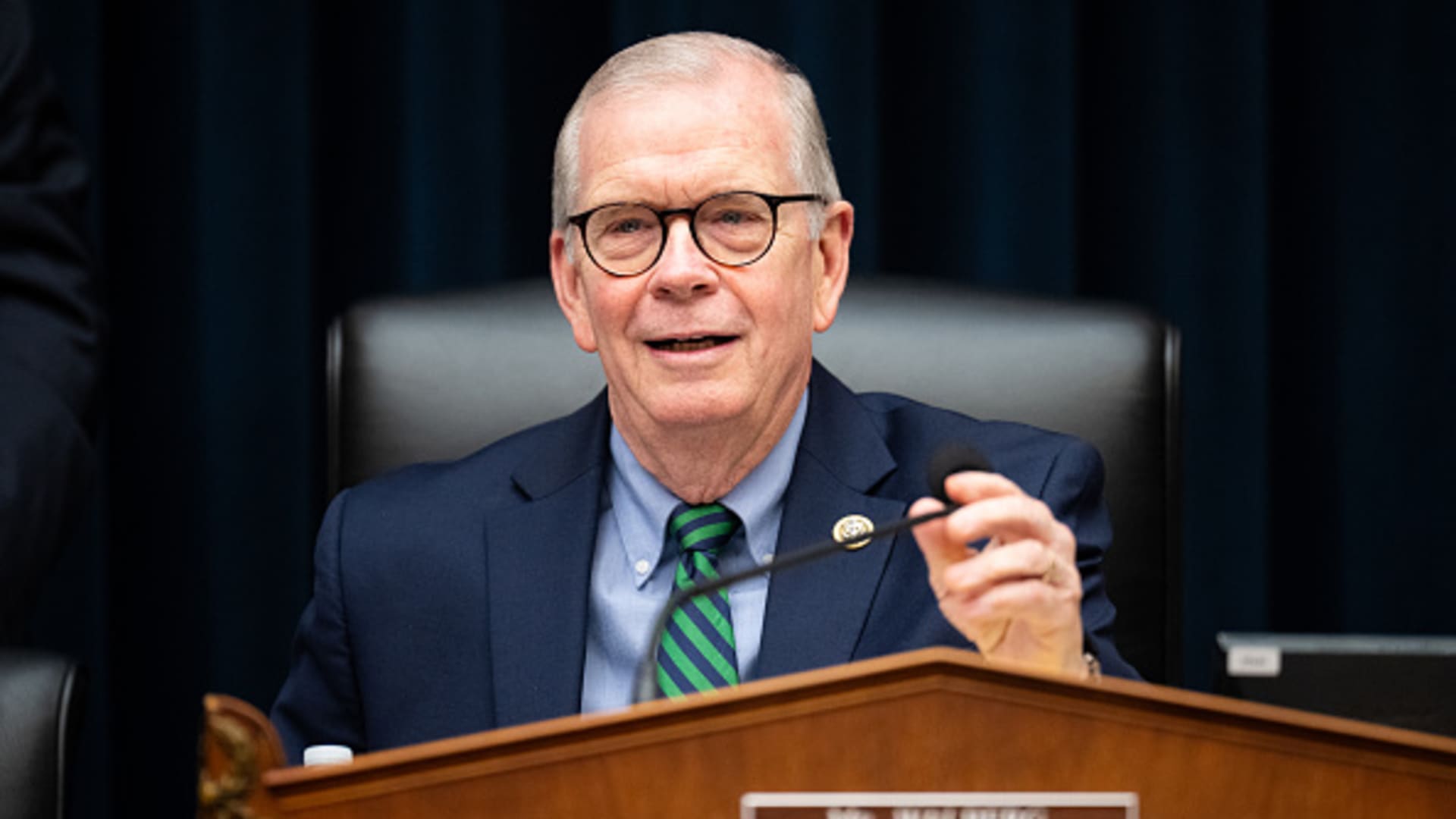
Republicans Unveil Comprehensive Student Loan Reform Proposal
The GOP members of the House Education and Workforce Committee have put forward an ambitious plan to revamp the national student loan and financial aid framework. Their intent is to curtail the extent of student borrowing and reduce the prevailing repayment strategies.
Dubbed the Student Success and Taxpayer Savings Plan, this legislative proposal is designed to assist Republicans in achieving President Donald Trump's objective of implementing tax reductions.
According to Committee Chairman Tim Walberg from Michigan, Congress has historically attempted to resolve the student loan dilemma by injecting increasing amounts of taxpayer money without confronting the fundamental issue of surging tuition costs.
Concerns from Consumer Advocates
Consumer rights groups quickly voiced opposition, cautioning that these suggested policies might exacerbate the financial burden that families face in affording higher education. Sameer Gadkaree, who leads The Institute for College Access & Success, criticized the proposal for significantly limiting college accessibility by cutting down on financial aid options and removing basic borrower protections.
Proposed Loan Caps
The proposal caps federal student loan borrowing at $50,000 for undergraduates and $100,000 for graduate students, effective July 1, 2026. Presently, borrowing limits differ based on multiple factors, notably student year and status. This change could push borrowers towards private loans, a shift that concerns experts like Mark Kantrowitz due to typically higher interest rates associated with private borrowing.
Streamlined Repayment Plans and Limited Hardship Deferments
The GOP is also proposing a reduction in income-driven repayment (IDR) plans available to new federal loan borrowers, narrowing it down to a single plan. This simplification might affect over 12 million individuals who, as of September 2024, rely on these plans to keep monthly payments feasible. Additionally, the proposal seeks to terminate unemployment and economic hardship deferments for federal loans dispensed from July 2025 onwards.
Changes to Pell Grant Eligibility
In terms of Pell Grants, the proposal suggests tougher enrollment criteria, requiring students to complete at least 30 academic hours annually to qualify—a substantial increase from the current 12 hours per semester minimum.
The Pell Grant program, instituted in 1965, stands as one of the broadest avenues for student financial aid. While expanding grants for short-term workforce training programs, the GOP plans to raise eligibility requirements and review the allocation for future award years.
Leave a Reply