


Release of Four in Hong Kong Following National Security Charges
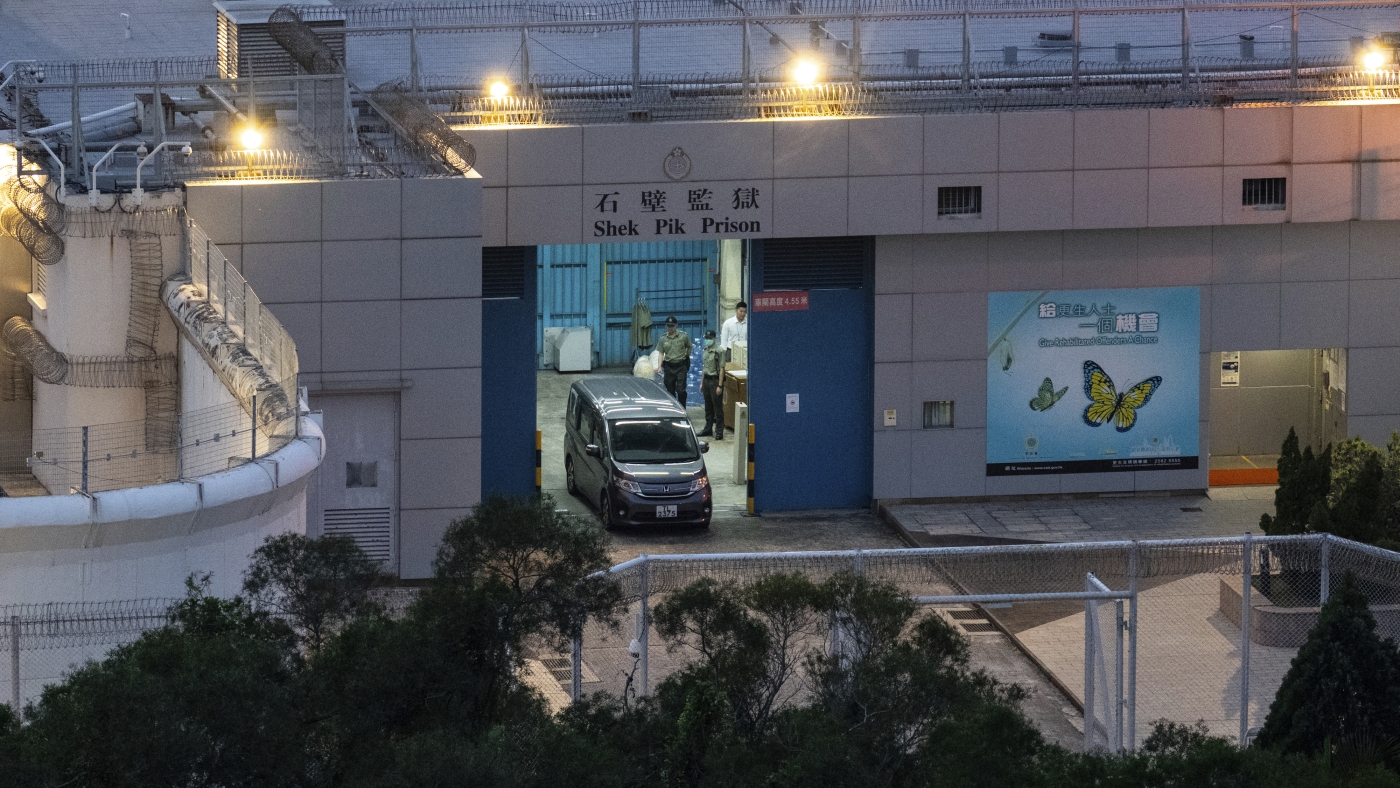
On a notable Tuesday in Hong Kong, vehicles departing Shek Pik Prison were believed to be carrying former lawmaker Gary Fan, who had served a four-year sentence under the national security statute.
SHANGHAI — In a significant development, four ex-lawmakers from Hong Kong have been liberated after fulfilling sentences related to the most extensive national security case since China enacted the controversial law, a move often criticized for stifling opposition.
Among those freed are Claudia Mo, Gary Fan, Jeremy Tam, and Kwok Ka-ki, each having completed just over four years of imprisonment on accusations of conspiring to commit subversion under the national security law, which has dramatically reshaped Hong Kong's political domain.
Their release was reported by Radio Television Hong Kong alongside other media sources. The four individuals belonged to a collective known as the 'Hong Kong 47,' apprehended for their roles in a 2020 unofficial primary survey that attracted over 600,000 participants, despite government admonitions.
The now-subdued pro-democracy faction in Hong Kong had orchestrated the poll with hopes it might pave the way for triumph in upcoming legislative polls, aiming for a substantial influence in shaping government policy.
The anticipated legislative elections were later deferred under claims of pandemic concerns, yet many participants in the unsanctioned primary faced charges. Out of 47 indicted, a mere two were later exonerated.
Prosecutors alleged a bid to undermine governmental authority. However, critics assert that the lawsuit signifies a widespread crackdown by Beijing on democratic rights and freedoms in this former British territory.
The harshest penalty in this case was a decade-long imprisonment handed to an academic-turned-activist who had significantly contributed to organizing the primary. This individual had also played a pivotal role in the 2014 Umbrella Movement protests.
Beijing rapidly enforced the national security law in 2020 after another round of substantial, occasionally violent demonstrations in 2019, demanding more robust democratic measures and leadership reforms in Hong Kong.
Government authorities defend the law as vital for reinstating stability and confidence in Hong Kong as a prominent financial hub. Detractors argue it breaches Beijing's pledge of ensuring a 'high degree of autonomy' in Hong Kong for 50 years following its handover from the UK in 1997.
Leave a Reply